Rising Fuel Prices in India: Impact on Household Budgets and Shaking the Economy
 Rasedul
 Fuel prices in India have always been a sensitive topic. Even a small increase in the price of diesel, petrol, or cooking gas can affect millions of families. In recent years, changes in global crude oil prices, higher taxes, and supply issues have driven up fuel prices. As a result, many middle-class households and small businesses are feeling the financial pressure.
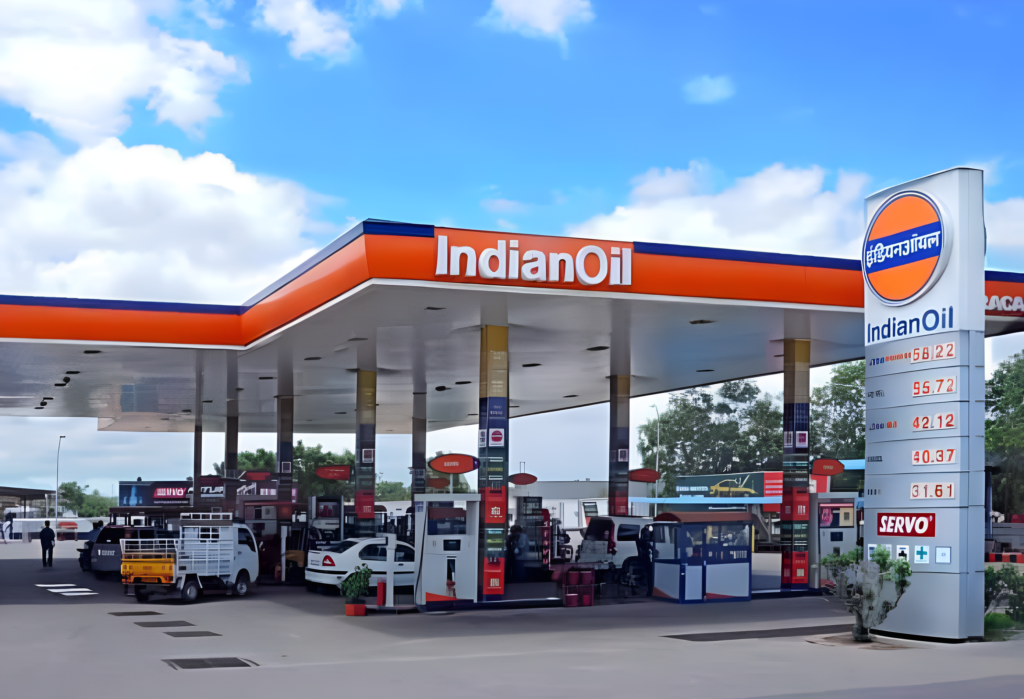
Why Are Indian Fuel Prices Increasing?
A mix of global and domestic factors determines fuel prices in India. The biggest influence comes from international crude oil prices, as India imports a large share of its oil requirements. When global crude prices rise, the cost of importing fuel increases. The value of the rupee against the US dollar also plays an important role. If the rupee weakens, importing oil becomes more expensive, which eventually leads to higher petrol pump prices.
Apart from global trends, central and state government taxes make up a significant portion of the final retail price. Transportation and refining costs are also added before fuel reaches consumers. While governments sometimes adjust taxes to provide temporary relief, sharp movements in global oil prices often have a stronger impact on the rates paid by consumers.
How Rising Fuel Prices Affect Household Budgets
1. Higher Transportation Costs
When petrol and diesel prices rise, commuting becomes expensive. Office-goers, students, and delivery workers feel the immediate impact. Monthly fuel expenses increase, leaving less money for savings or other essentials.
2. Rise in Public Transport Fares
Across cities, higher public transport fares are frequently the result of rising fuel prices. In order to control growing fuel prices, taxi drivers, autorickshaw drivers and bus companies typically adjust their fares. Daily commuters consequently experience the effects almost instantly. Even a slight fare increase can increase monthly costs for many people who rely on public transport to get to work, school or markets.
3. Increased Grocery and Food Prices
Increasing fuel prices are also leading to increasing grocery and daily essential prices. Diesel plays a major role in the supply chain as it is widely used for transporting goods across the nation. With a hike in its price, the cost of transportation increases, and this additional cost is usually passed on to the consumer. Consequently, vegetables, fruits, milk, and other essentials of everyday use see their prices increase. This starts a chain reaction that adds up to the general inflation of things, which in turn increases the household budget load of families.
4. Pressure on Household Savings
Rising expenses are putting increasing pressure on household savings. As monthly budgets stretch due to higher fuel and daily living costs, many families are forced to rethink their spending. Expenses such as shopping, entertainment, and even non-urgent healthcare are often reduced to manage finances. In many cases, long-term savings plans and financial goals are postponed as households focus on meeting immediate needs.
Impact on Small Businesses and Self-Employed Workers
The small businesses and those that are self-employed also suffer from rising fuel prices. For instance, those that require deliveries to maintain their activities have to contend with higher expenses, as the cost of transportation goes up. The farmers may also suffer due to high diesel prices, which they use to water their farms as well as transport their produce to various markets. Finally, the retailers may suffer as a result of higher transportation expenses, which may impact their prices. Therefore, when the businesses operate at a loss due to high fuel prices, the owners may be left with two choices: either to eat up the loss and cut down on their profit margin or increase their prices. However, both choices may impact the economy over time.
What Rising Fuel Prices Mean for the Indian Economy
Impact on GDP Growth- Reduced consumer spending can slow down overall economic growth. Industries dependent on transportation and logistics may experience reduced demand.
Inflation Pressure- Inflation is directly impacted by rising fuel prices. Consumers’ purchasing power declines as inflation increases. Consumer spending declines impact demand across some industries.
Government Revenue- Fuel taxes remain a major source of income for both central and state governments. When fuel prices rise, tax collections can increase in the short term, helping boost government revenue. However, if high prices continue for a long period, it often leads to growing public dissatisfaction, as households and businesses struggle with rising expenses.
Effect on the Rupee- High crude oil prices on a global scale are a major cause of concern for the Indian economy, as the country largely depends on the importation of crude oil. This would, in effect, lead to a greater trade deficit and increased pressure on the rupee, considering a surge in crude oil prices.
How Middle-Class Families Can Manage Rising Fuel Costs
With fuel prices remaining high, middle-class families are looking for practical ways to manage their monthly budgets. While global oil rates are beyond anyone’s control, small changes in daily habits can make a noticeable difference. Planning travel more efficiently is one simple step. Combining multiple errands into a single trip and avoiding unnecessary driving can help reduce fuel consumption. Carpooling with colleagues or neighbours is another way to cut costs.
Using public transport, where available and convenient, may also prove more economical than driving a personal vehicle every day. Proper vehicle maintenance is equally important. Fuel consumption may be cut down by regularly servicing the vehicle, ensuring the tyres are properly inflated, and driving smoothly. Some families are also opting for fuel-saving/energy-efficient cars. Although the initial investment may be high, electric cars can save money spent on fuel over a period. Moreover, being vigilant and planning personal finances may help families cope with rising fuel prices.
While individuals cannot control global oil prices, there are practical steps that can help manage expenses.
- Plan Travel Efficiently
- Use Public Transport When Practical
- Maintain Vehicles Properly
- Consider Fuel-Efficient or Electric Vehicles
- Budget Smartly

 Anjali Bhardwaj
 Shubham Thakur