Forgetting to water shouldn’t mean another dead plant. This guide breaks down ten genuinely hard-to-kill indoor plants for Indian homes, plus the exact pot, soil mix, and setup that actually prevents plant deaths — so you can build a thriving indoor garden without babysitting it every single day.
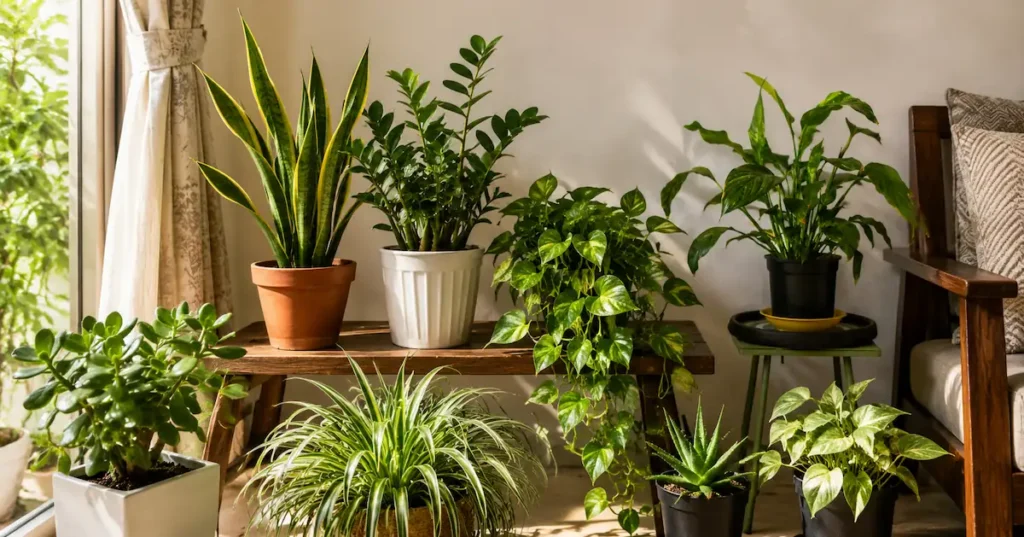
I have killed more plants than I’m comfortable admitting on a public blog. A money plant that turned to mush because I “forgot” it for a month during exam season. A fiddle leaf fig that dropped every single leaf within three weeks of coming home from the nursery. A snake plant — yes, even a snake plant — that I managed to rot by watering it like it was a tomato seedling.
That was almost nine years ago. Since then, I’ve spent a good part of my time helping first-time plant owners build small balconies and indoor gardens, and nearly everyone says the same thing when we start talking: “I want plants, but I always forget to water them, and they always die.”
Here’s the truth nobody tells you at the nursery counter: it’s rarely about forgetting to water. It’s about choosing plants that punish forgetfulness in the first place, then potting them wrong, then placing them somewhere with the wrong light. Fix those three things, and “forgetting to water” stops being a death sentence.
This guide covers ten plants that have survived genuine neglect in real Indian homes — not plants that merely look hardy in a stock photo. I’ll also walk you through the complete beginner setup: the right pot, the right soil mix you can actually buy in India, drainage, placement by region, and a watering rhythm that works with your life instead of against it.
Why Most “Easy Plant” Lists Fail Indian Readers
Most plant lists circulating online are written for temperate climates — UK and US apartments with central heating, humidity controllers, and grow lights. They’ll tell you a ZZ plant needs water “every 2-3 weeks,” which might be true in a cool European flat in winter but is wildly wrong advice for a hot Indian balcony in peak summer, where the same plant might want water every 8-10 days because of the heat and airflow.
I’ve adjusted every care note below for Indian conditions — dry northern winters and brutal pre-monsoon heat, coastal humidity, milder southern climates, and the harsh western sun that hits most south- and west-facing balconies across the country. If you’ve followed a foreign blog’s watering schedule and still lost a plant, that’s likely why.
The Setup Mistake That Kills 80% of “Forgotten” Plants
Before we get to the plant list, I need to say this clearly because it’s the single biggest issue I see in beginner setups: most plant deaths blamed on “forgetting to water” are actually drainage failures.
When a pot has no drainage hole, or the drainage hole is blocked by compacted soil, water sits at the bottom. Roots sit in that stagnant water, start to rot, and the plant can no longer take up water or nutrients even though the soil looks wet. At this point, the plant looks thirsty — drooping, yellowing — and most people respond by watering more. That finishes the job.
So before you pick a single plant from this list, fix your setup. Everything below is built around that principle.
Full Beginner Setup Guide (Do This Before You Buy a Single Plant)
Step 1: Choose the Right Pot
| Pot Material | Best For | Why |
| Terracotta (mitti ka gamla) | Forgetful waterers | Porous walls let excess moisture evaporate, naturally preventing root rot |
| Plastic nursery pots | Budget growers, frequent movers | Lightweight, retains moisture longer — good for plants that like consistent water |
| Ceramic/glazed pots | Decorative display | Use only as an outer cachepot; keep the plant in its plastic nursery pot inside |
| Self-watering pots | Travelers, very forgetful owners | Reservoir at the base wicks water up as needed; reduces watering frequency significantly |
For every single plant on this list, I recommend unglazed terracotta with a drainage hole as your default choice if you tend to overwater out of guilt. If you tend to genuinely forget for weeks, a self-watering pot is worth the extra few hundred rupees.
Non-negotiable rule: Every pot must have a drainage hole. If you’ve fallen in love with a beautiful pot that doesn’t have one, drill one yourself with a masonry bit, or use it strictly as a decorative outer cover and keep the actual plant in a nursery pot inside it.
Step 2: Build the Right Soil Mix
Don’t use straight garden mitti from outside your building — it compacts hard in a container and suffocates roots. Here’s the mix that works reliably across most of these plants, and every part of it is available from any local nursery or online:
Standard hard-to-kill mix (by volume):
- 50% cocopeat (coco peat block, soaked and fluffed)
- 30% perlite or coarse sand (for drainage — perlite is better if you can find it)
- 20% compost or vermicompost (for nutrition)
For succulents and snake plants specifically, increase the drainage component:
- 40% cocopeat
- 40% perlite/coarse sand/brick bits
- 20% compost
This mix dries out faster than dense garden soil, which sounds counterintuitive for forgetful waterers — but it’s actually the point. Fast-draining soil means the rare times you do water, excess moisture leaves quickly instead of sitting around rotting roots.
Step 3: Layer for Drainage
- Place a layer of broken terracotta pieces (shards from an old pot) or small stones, about 1 inch deep, at the bottom of the pot
- Add a thin layer of dry leaves or coconut husk on top of that to prevent soil from washing down and blocking the drainage hole
- Fill with your soil mix, leaving about 1 inch of space below the rim
- Plant, water until it runs out the bottom, and let it settle for a day in shade before placing in its final spot
Step 4: Match Placement to Your Climate Zone
| Climate Type | Challenge | Placement Advice |
| Dry, hot northern plains | Dry winters, scorching pre-monsoon summers | East-facing balcony ideal; avoid direct west sun in peak summer |
| Humid coastal regions | High humidity, monsoon waterlogging | Ensure extra drainage; move pots under cover during heavy monsoon spells |
| Mild southern plateau climates | Intense midday sun despite milder temperatures | Bright indirect light indoors works year-round; filter harsh noon sun |
| Humid eastern regions | Lower light in winter, fungal risk in humid months | Brighter spots needed in peak winter; watch for fungal issues during humid spells |
Step 5: A Watering Routine That Doesn’t Rely on Memory
This is the actual fix for forgetfulness — not relying on your memory at all.
- The finger test: Push your finger 2 inches into the soil. If it’s dry at that depth, water. If it’s even slightly damp, wait. Do this on a fixed day (say, every Sunday) rather than trying to “remember.”
- Set a recurring phone reminder for a soil-check day, not a watering day. This removes the guilt-driven overwatering that happens when you just water on autopilot.
- Weight test for small pots: Lift the pot. Light means dry, heavy means wet. After doing this a few times you’ll know the difference by feeling alone.
Now, the plants.
The 10 Hard-to-Kill Indoor Plants
1. Snake Plant (Sansevieria / Mother-in-Law’s Tongue)
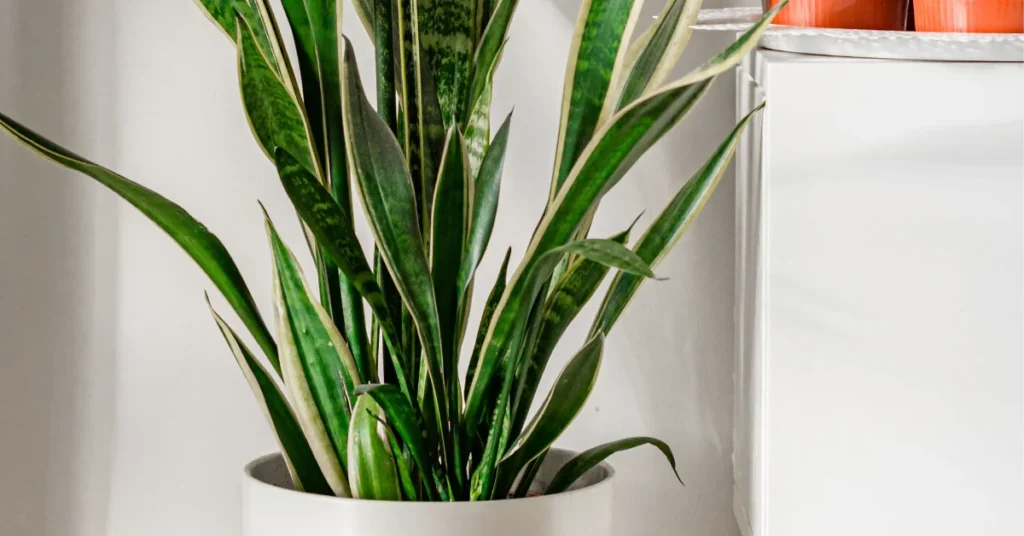
This is the plant I recommend to every single first-time plant owner, no exceptions. I have one that gets watered roughly once every three weeks and has been alive for six years.
Why it survives neglect: Snake plants store water in their thick, upright leaves, similar to a succulent. Overwatering is the only real way to kill it — underwatering almost never does.
Care specifics for Indian homes:
- Light: Tolerates low light beautifully, which makes it ideal for the dim corner near your TV unit or hallway. Also handles bright indirect light fine.
- Water: Once every 2-3 weeks in summer, once a month or less in winter. Always let soil dry completely between waterings.
- Soil: Use the high-drainage succulent mix from Step 2.
- Common mistake: Watering on a schedule rather than checking soil. This is the #1 cause of snake plant death, and it’s always rot, never thirst.
If your money plant is showing yellow leaves, leggy growth, or stalled growth despite following the basics here, the issue is usually something more specific than watering. I’ve broken down the ten most common money plant problems and their real fixes in this detailed troubleshooting guide.
2. ZZ Plant (Zamioculcas Zamiifolia)
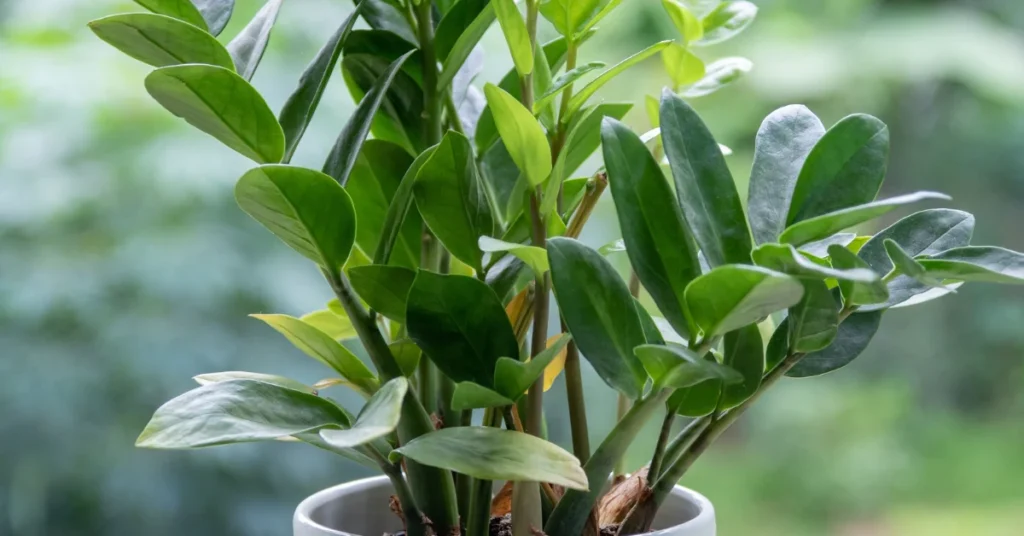
I’ve seen one of these on a sun-starved office desk that I’m fairly sure hadn’t been watered in over a month at a time, and it still pushed out glossy new growth.
Why it survives neglect: ZZ plants grow from thick rhizomes (potato-like structures) underground that store substantial water reserves.
Care specifics:
- Light: Low to bright indirect light. Avoid harsh direct sun, which can scorch the glossy leaves.
- Water: Every 2-3 weeks; in low-light indoor corners, even monthly is fine.
- Soil: Standard hard-to-kill mix with good drainage.
- Common mistake: Placing it in direct south or west sun expecting faster growth — it actually prefers being left alone in moderate light.
3. Money Plant (Pothos / Epipremnum aureum)
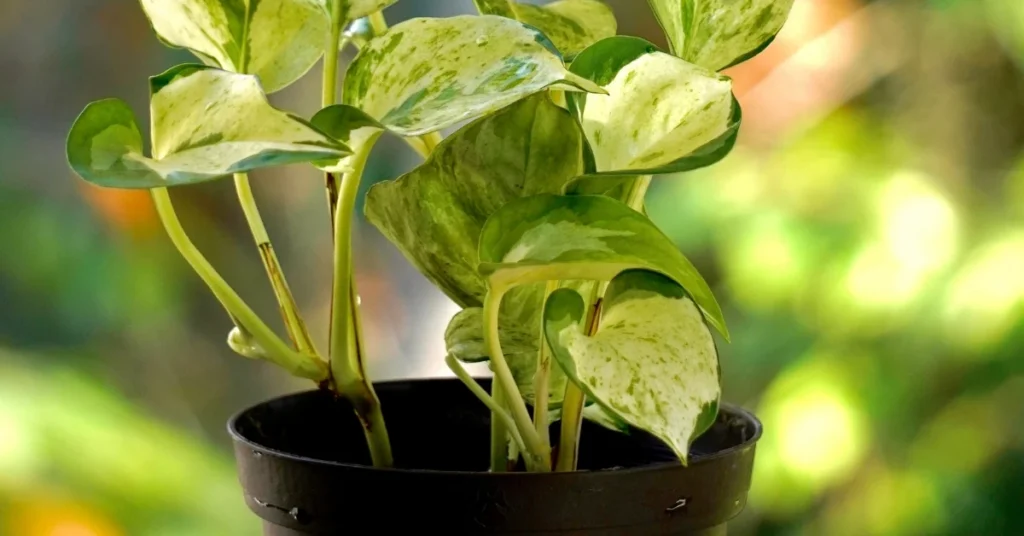
Yes, the same money plant in nearly every Indian home, often growing in a glass bottle of water on a shelf. It’s on this list because soil-grown money plant is genuinely forgiving, far more than people give it credit for.
Care specifics:
- Light: Adapts to low light or bright indirect light; variegated varieties need slightly brighter light to keep their pattern.
- Water: Weekly in summer, every 10-12 days in winter; tolerates missed waterings better than most vines.
- Soil: Standard mix; also genuinely thrives in plain water if you prefer the bottle method.
- Common mistake: Letting it sit in stagnant water for months without ever changing it, which causes root rot even in water culture. Change water every 2 weeks if growing this way.
4. Spider Plant (Chlorophytum comosum)
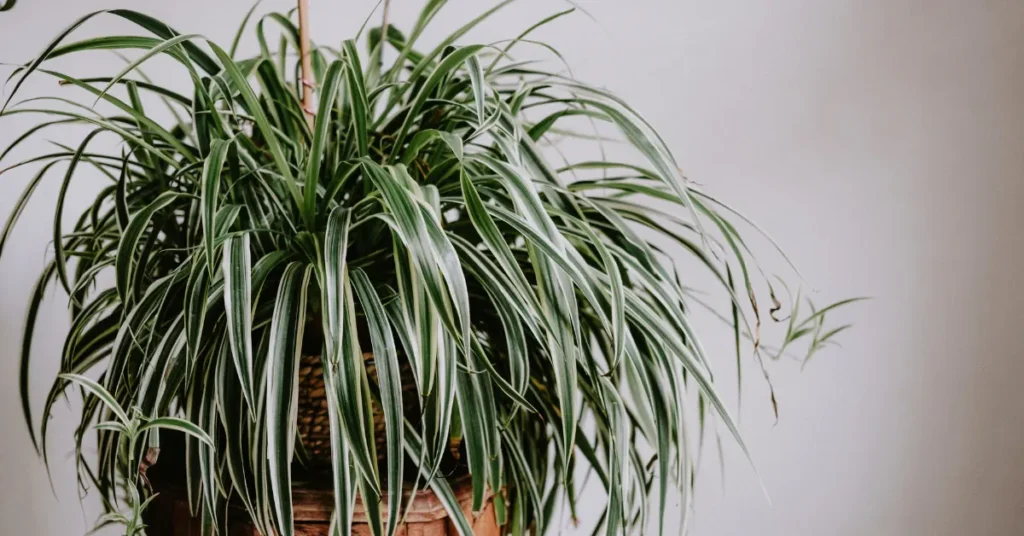
I recommend this one specifically to households with kids or pets, since it’s non-toxic and nearly indestructible.
Care specifics:
- Light: Bright indirect light produces the best leaf variegation, but it tolerates lower light too.
- Water: Weekly; it will droop dramatically when thirsty but bounces back within hours of watering, which makes it very forgiving — you get a visible warning before any real damage.
- Soil: Standard mix.
- Common mistake: Brown leaf tips, which are usually from fluoridated tap water, not neglect. If you see this, switch to filtered or rested (kept overnight) tap water.
5. Aloe Vera
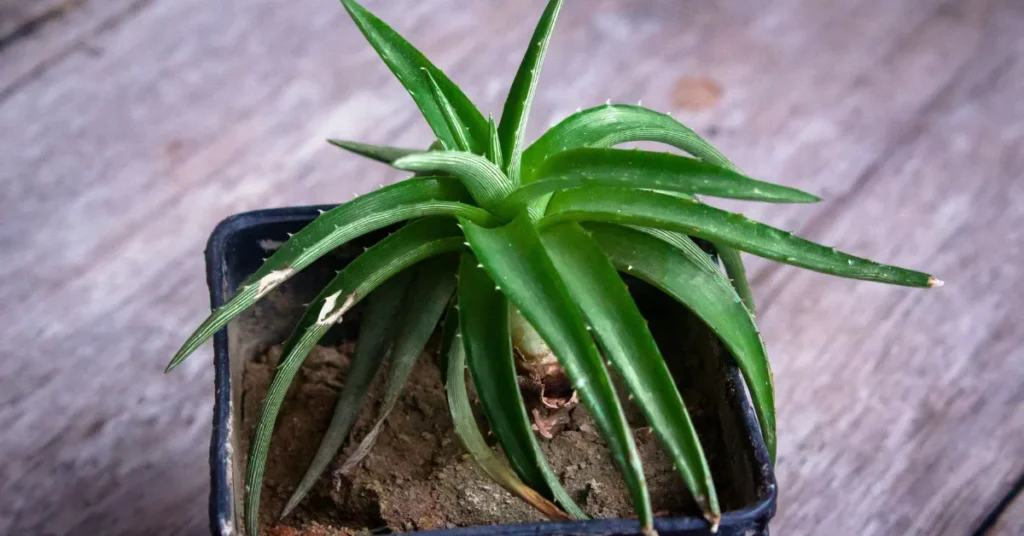
A genuinely useful plant beyond decoration — most Indian households already keep one for burns and skin care, but few grow it correctly indoors.
Care specifics:
- Light: Needs bright light, ideally a few hours of direct morning sun. This is the one plant on this list that struggles in deep low light.
- Water: Every 2-3 weeks; it’s a true succulent and rot is the only real threat.
- Soil: Succulent mix with extra perlite/sand essential — this plant is far more sensitive to wet feet than snake plant or ZZ.
- Common mistake: Growing it in a decorative pot with no drainage hole “because it looks nice in the kitchen.” This kills aloe faster than almost anything else.
6. Jade Plant (Crassula ovata)
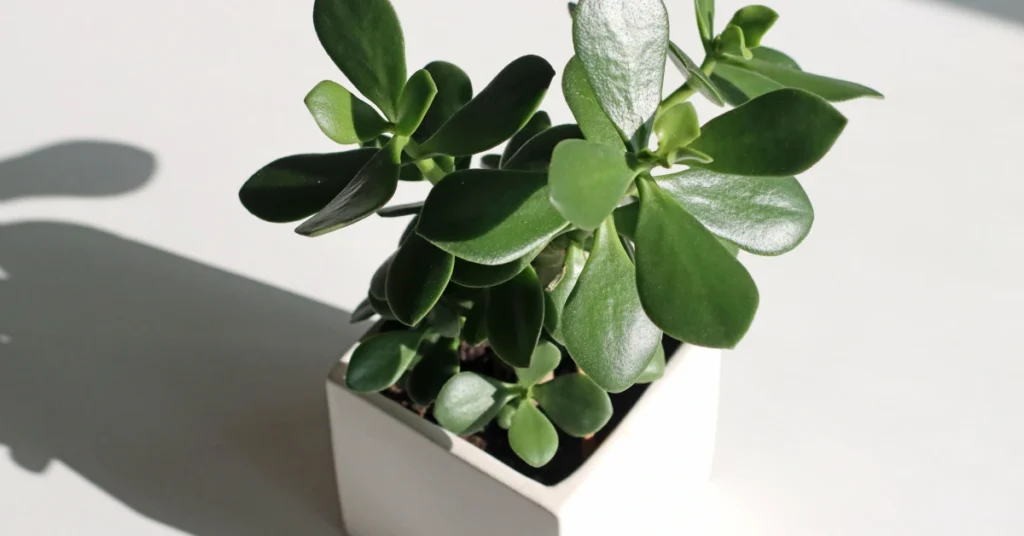
Considered auspicious in many Indian homes, and conveniently, also genuinely hard to kill once you understand it’s a succulent, not a regular houseplant.
Care specifics:
- Light: Bright indirect to direct light; a few hours of morning sun produces the best compact, healthy growth.
- Water: Every 2-3 weeks, less in winter.
- Soil: Succulent mix, terracotta pot strongly preferred.
- Common mistake: Treating it like a leafy plant and watering weekly “to keep it healthy” — this causes the soft, swollen leaves that eventually split and drop.
7. Peace Lily (Spathiphyllum)
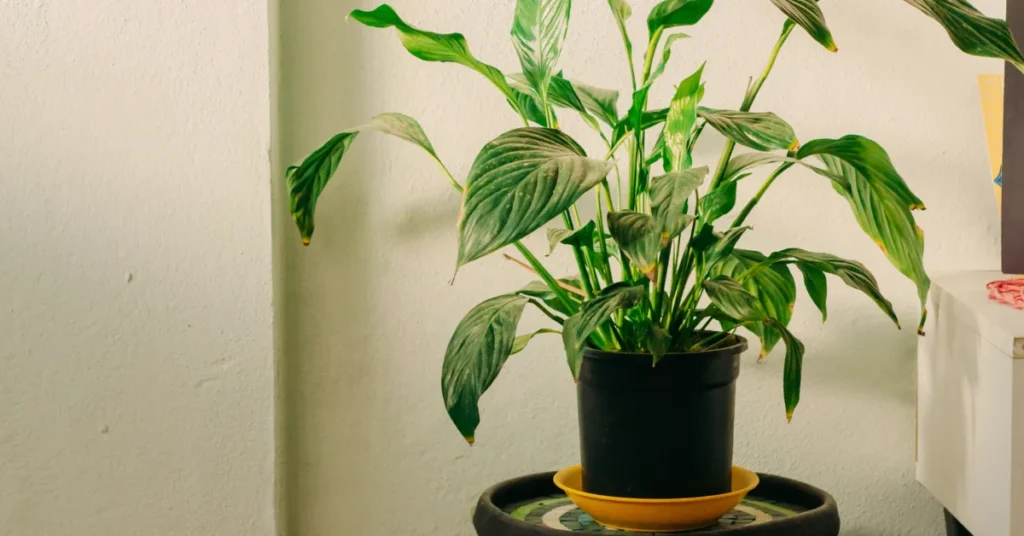
The exception on this list in one specific way: it droops dramatically when thirsty, which actually makes it ideal for forgetful waterers, because it tells you exactly when it needs attention instead of dying silently.
Care specifics:
- Light: Low to medium indirect light; avoid direct sun, which scorches leaves.
- Water: Weekly, but when you see drooping, water immediately — it recovers within a few hours and rarely suffers lasting damage from one missed week.
- Soil: Standard mix with slightly more compost, as it’s less drought-tolerant than the succulent-type plants above.
- Common mistake: Panicking and overwatering the moment you see drooping. Water once, let it recover, and resist the urge to water again the next day.
8. Areca Palm
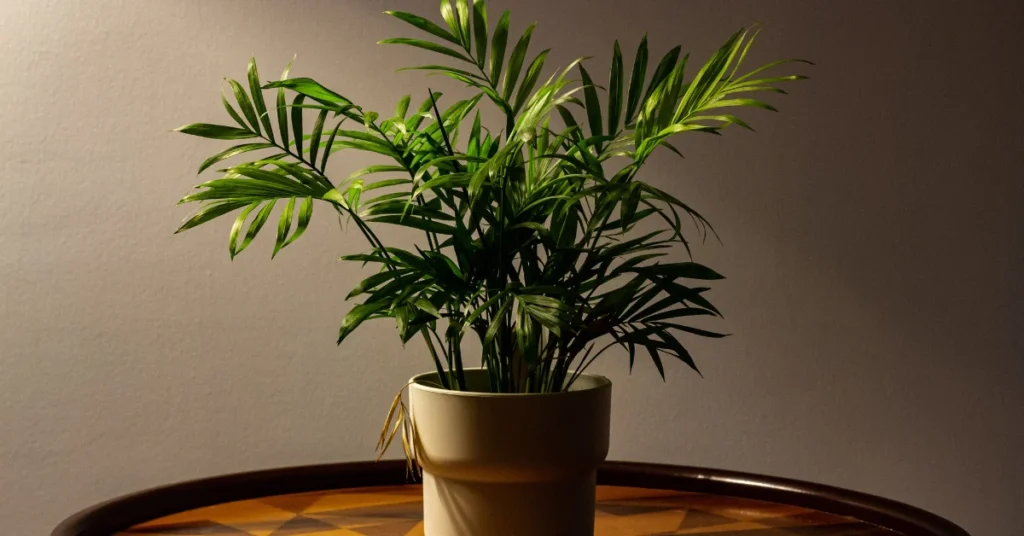
A larger statement plant for people who want something that fills a corner, doubles as natural air purification, and still survives inconsistent care.
Care specifics:
- Light: Bright indirect light; tolerates medium light but growth slows.
- Water: Every 7-10 days in summer, every 12-15 days in winter; allow the top 2 inches of soil to dry between waterings.
- Soil: Standard mix, slightly more compost for the extra nutrition a larger plant needs.
- Common mistake: Letting it sit in a draft from an AC vent, which causes brown tips that get wrongly blamed on underwatering.
9. Rubber Plant (Ficus elastica)
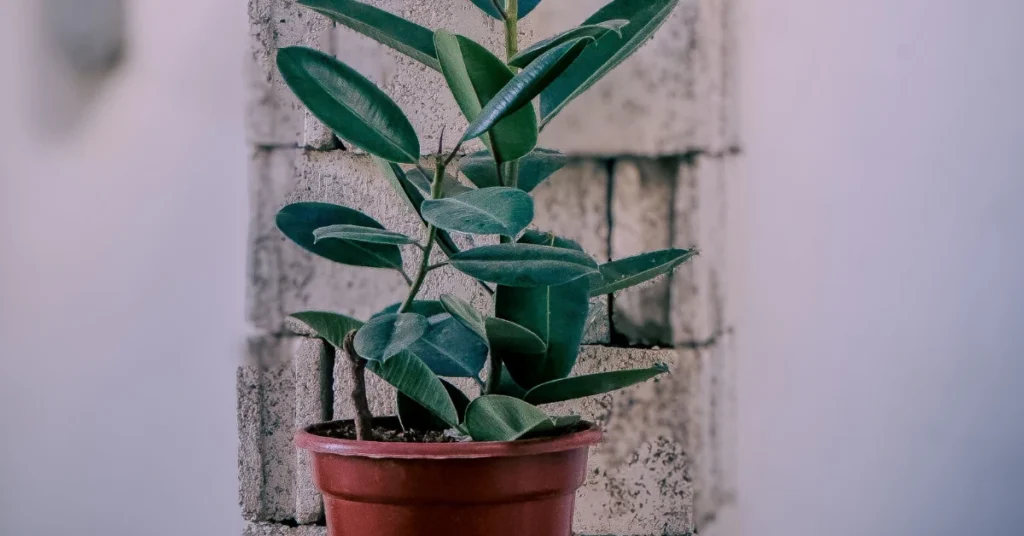
A genuinely good answer to “I want a fiddle leaf fig but don’t trust myself with one.” Same dramatic glossy-leaf look, vastly more forgiving.
Care specifics:
- Light: Bright indirect light produces the glossiest leaves; tolerates medium light too.
- Water: Every 7-10 days; let the top inch or two of soil dry out first.
- Soil: Standard mix.
- Common mistake: Moving it around the house frequently chasing “better light.” Rubber plants dislike being relocated often and do best picked one good spot and leave it there.
10. Haworthia (Zebra Cactus)
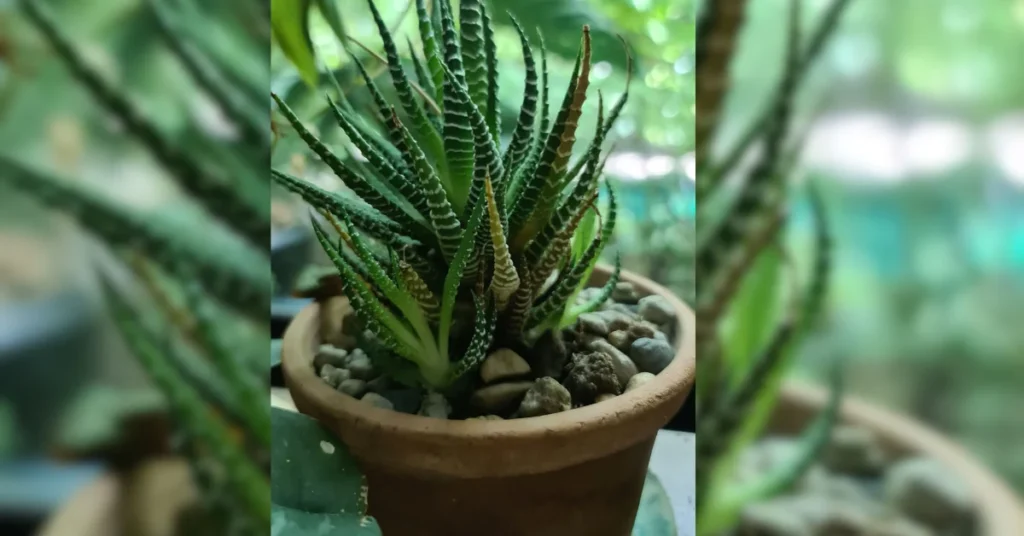
A small succulent ideal for desks, windowsills, and anyone short on space, with the bonus of being genuinely beautiful up close — striped, architectural leaves that don’t look like a typical “boring succulent.”
Care specifics:
- Light: Bright indirect light; avoid harsh direct afternoon sun, which can cause sunburn marks despite it being a succulent.
- Water: Every 2-3 weeks; smaller pot size means you should still check soil rather than assume.
- Soil: Succulent mix, small terracotta pot.
- Common mistake: Buying multiple Haworthia in one large shared pot instead of individual small pots — they prefer slightly snug, individual containers.
Quick Reference: Watering Frequency Table
| Plant | Summer Watering | Winter Watering | Light Needs | Toxic to Pets? |
| Snake Plant | Every 2-3 weeks | Monthly | Low to bright indirect | Mildly toxic |
| ZZ Plant | Every 2-3 weeks | Monthly | Low to bright indirect | Toxic if ingested |
| Money Plant | Weekly | Every 10-12 days | Low to bright indirect | Mildly toxic |
| Spider Plant | Weekly | Every 10 days | Bright indirect | Non-toxic |
| Aloe Vera | Every 2-3 weeks | Monthly | Bright/direct morning sun | Mildly toxic |
| Jade Plant | Every 2-3 weeks | Monthly | Bright indirect/direct | Mildly toxic |
| Peace Lily | Weekly (or when drooping) | Every 10 days | Low to medium indirect | Toxic if ingested |
| Areca Palm | Every 7-10 days | Every 12-15 days | Bright indirect | Non-toxic |
| Rubber Plant | Every 7-10 days | Every 12-14 days | Bright indirect | Mildly toxic |
| Haworthia | Every 2-3 weeks | Monthly | Bright indirect | Non-toxic |
Pre-Buying Checklist
Before you head to the nursery, run through this:
- I have a pot with a drainage hole ready (or I will drill one)
- I know roughly how much light my chosen spot gets (count actual hours, don’t guess)
- I have cocopeat, perlite/sand, and compost on hand, or will buy a pre-mixed succulent/cactus potting mix
- I’ve picked a fixed weekly “soil check day” and set a phone reminder for it
- I’m choosing plants based on my actual light conditions, not just what looked nice in the nursery’s full-shade display area
- I have a saucer or tray under the pot to catch drainage water (and I will empty it, not let the pot sit in it)
Common Troubleshooting Guide
| Symptom | Likely Cause | Fix |
| Yellow, mushy leaves | Overwatering / root rot | Stop watering, check roots, repot in fresh dry mix if mushy |
| Crispy brown leaf tips | Underwatering, low humidity, or tap water minerals | Water slightly more often; use filtered/rested water |
| Leggy, stretched growth | Insufficient light | Move closer to a window or brighter spot |
| Drooping but soil is wet | Root rot from poor drainage | Check drainage hole isn’t blocked; repot if needed |
| Drooping and soil is dry | Underwatering | Water thoroughly; plant should recover within hours |
| No new growth for months | Could be normal dormancy (winter) or nutrient deficiency | Check season first; if summer, feed with diluted liquid fertilizer monthly |
A Final, Honest Note
None of these plants are completely immune to neglect — nothing alive truly is. What they share is a wide margin for error, which is exactly what you need while you’re still learning to read what a plant actually wants instead of watering it out of guilt or habit. Start with two or three from this list, get the setup right using the steps above, and you’ll likely find that the plants you assumed needed special talent to keep alive were just waiting on the right pot and the right soil all along.
If you’ve tried any of these and they didn’t survive, it’s almost always traceable back to drainage or light mismatch rather than bad luck — feel free to share your specific situation in the comments and I’ll help you troubleshoot it.

FAQs
Plant Watering Calculator
Get an estimated watering amount based on plant, season, city, and pot size.