India AI Impact Summit 2026: AI Success, Startup Boom, and Major Innovations
 Rasedul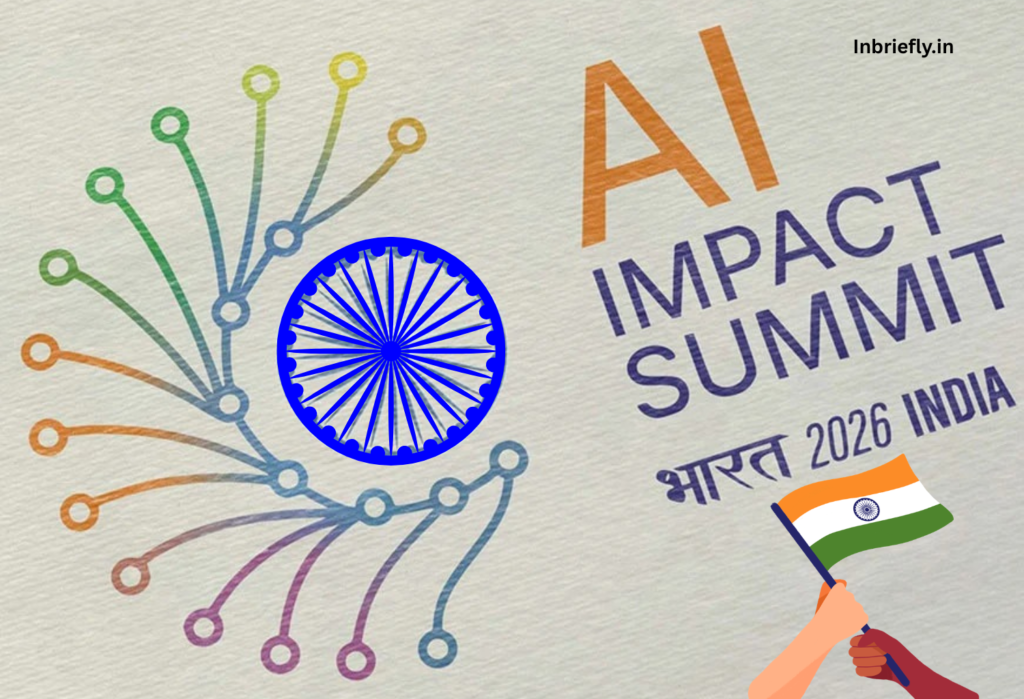
India AI Impact Summit 2026, Delhi:
Hey folks, if you’ve checked the news most recently, you’ve probably noticed something exciting. It is India’s tech and science world is booming right now.
From large AI conferences illuminating the night skies of Delhi to startups raking in the billions of rupees, to even revolutionary medical breakthroughs such as a homegrown CRISPR solution for India, it feels as though February 2026 is the start of a brand new chapter for our nation.
The India AI Impact Summit 2026 achieved significant outcomes, including the signing of a global declaration supported by 89 countries to encourage responsible and human-centric AI development. It also featured highly capable indigenous innovations such as multilingual large language models and usable AI solutions for healthcare, governance, and business applications. Most significantly, the investment in infrastructure and data centers worth billions of rupees indicated a strong move by India to lead in AI globally.
As someone who enjoys watching technology impact our world in exciting ways, whether it’s assisting farmers in growing improved yields or developing life-changing medications, I simply can’t help but feel a sense of excitement about what’s taking place. It’s not just about corporations and researchers in their labs. It’s about how all of this will impact us.
So, let’s examine what’s making headlines and, more importantly, why it’s important to us, as Indians.
AI in Every Indian Language:
India isn’t one market. It’s many Indians stitched together. Rural and urban, digital and still catching up, English speaking and proudly regional. And at the summit, there was a strong push toward building AI tools in Indian languages. Developers showcased voice assistants that work smoothly in Marathi, Tamil, Bengali, and more. Imagine your grandparents comfortably using government services through a voice bot in their own language. That’s not hype. That’s real inclusion.
Then came healthcare:
One of the most popular demonstrations was of an AI-based diagnostic tool being piloted in district hospitals. The plan is simple: help doctors diagnose diseases such as diabetic retinopathy, tuberculosis, and early-stage cancers faster and more accurately. It does not replace doctors. It helps them. In a country where the patient load is overwhelming, it can be a lifesaver.
A young doctor from a public hospital shared her experience during a panel discussion. She said AI tools helped reduce diagnosis time significantly in pilot programs. “It doesn’t take my job,” she explained, smiling. “It gives me more time, actually, to talk to my patients.”
Then came Jobs, Fear, and New Opportunities:
Of course, no AI conversation in 2026 would be complete without mentioning jobs. There’s excitement, yes, but also anxiety. Will automation steal jobs? Will small businesses be able to survive?
The summit did not shy away from tough questions. In fact, some of the most candid conversations took place during sessions on workforce transformation. Government officials talked about reskilling initiatives, while startup founders spoke about how AI is actually giving rise to new job types, such as data trainers, AI auditors, ethics reviewers, and regional language model testers.
Major tech giants like Google, Meta, Microsoft, and Amazon heavily integrate AI with dedicated teams of data trainers (annotators), AI auditors, ethics reviewers, and regional language model testers to build safe, multilingual models. Specialised firms like Appen, Scale AI, Welocalize, and Sama provide these services globally, including for Indian regional languages.
One entrepreneur from Bengaluru made an interesting point: “Every tech wave in history created fear. But it also created an opportunity. The difference is how prepared we are.”
Than Came technology supporting India’s Farmers:
There was also a lot of attention given to agriculture, which was a pleasant surprise. It’s easy to forget that, as of recent government and World Bank estimates, 42–47% of India’s total workforce is employed in agriculture and allied sectors. A significant portion of India still depends on agriculture when attending tech conferences. This time around, agri-tech startups were given plenty of attention. AI algorithms that can better predict rainfall patterns. Apps that can identify crop diseases from a simple smartphone image. Market forecasting tools that can help farmers determine where to sell their produce.It wasn’t exactly glamorous. But it was definitely useful. And it was certainly significant.
Then there’s the startup ecosystem:
The number of funding discussions at the summit indicated that AI-driven Indian startups are getting serious investment in 2026. A venture capital firm Peak XV invested about ₹160 crore or ~$19.5 million in five early-stage AI startups during the summit pitch sessions. Government and private sector pledges at the summit exceeded ~$250 billion in combined infrastructure, startup support, and AI ecosystem investments.
Overall investment commitments tied to AI initiatives announced at the summit reached over $270 billion, including major strategic investments by global and Indian firms. However, what was different this time was the level of confidence. A few years ago, founders were more likely to be building for global markets first. Now, there is a definite shift towards building for Indian problems first. Logistics in Tier 2 towns, education content in local languages, and manufacturing optimization for Indian industries.
This confidence is a statement in itself. It is a statement that we are no longer just passive consumers of global AI innovation. We are now contributors.
Another area that dominated the summit was ethics and regulation:
Policymakers were clear about the need for responsible AI innovation, transparency, data privacy, and the lack of bias. There were discussions, at times quite passionate, about how much regulation is too much. However, the fact that these discussions are taking place in the open is heartening. It is a sign of maturity.
A student participant summed it up well during a Q&A session: “We don’t want AI that just works. We want AI that we can trust.” That’s the starting point.
 Shubham Thakur