Do you know mountain travel is one of the most thrilling experiences you can have? Whether you’re trekking in the majestic Himalayas, hiking through the rugged beauty of the Rocky Mountains, or exploring the dramatic peaks of the Andes, high-altitude adventures offer unforgettable views and life-changing memories. But as magical as these destinations are, they come with a real risk: altitude sickness. For many adventurers and first-time mountain travelers, this is a common and unexpected challenge.
If you are preparing for a mountain adventure, knowing how to avoid altitude sickness can mean the difference between an epic adventure and a potentially life-threatening experience. In this guide, you will learn 7 effective tips to stay safe, healthy, and energised at high altitudes.
What Is Altitude Sickness?
When you travel up into the mountains, the air gets thinner. There’s less oxygen up there, and sometimes your body just can’t adjust quickly enough. That’s what we call altitude sickness. Most of the time, it can be avoided and handled easily if you’re careful.
If left untreated, it can progress to severe conditions such as High Altitude Pulmonary Edema (HAPE) or High Altitude Cerebral Edema (HACE), which require immediate medical attention.
Indian Climber Dies on Mount Everest (2025):One such recent example is that of Subrata Ghosh, a 45-year-old mountaineer from West Bengal. Ghosh climbed Mount Everest in May 2025 and reached the top towards the end of the day but began to show symptoms of fatigue and altitude sickness on the descent, a very critical and risky phase of the climb when the oxygen content in the body is lowest, also known as the “death zone.” Unfortunately, Ghosh was too weak to carry on and died below the Hillary Step, a very dangerous zone above 8,000 meters.
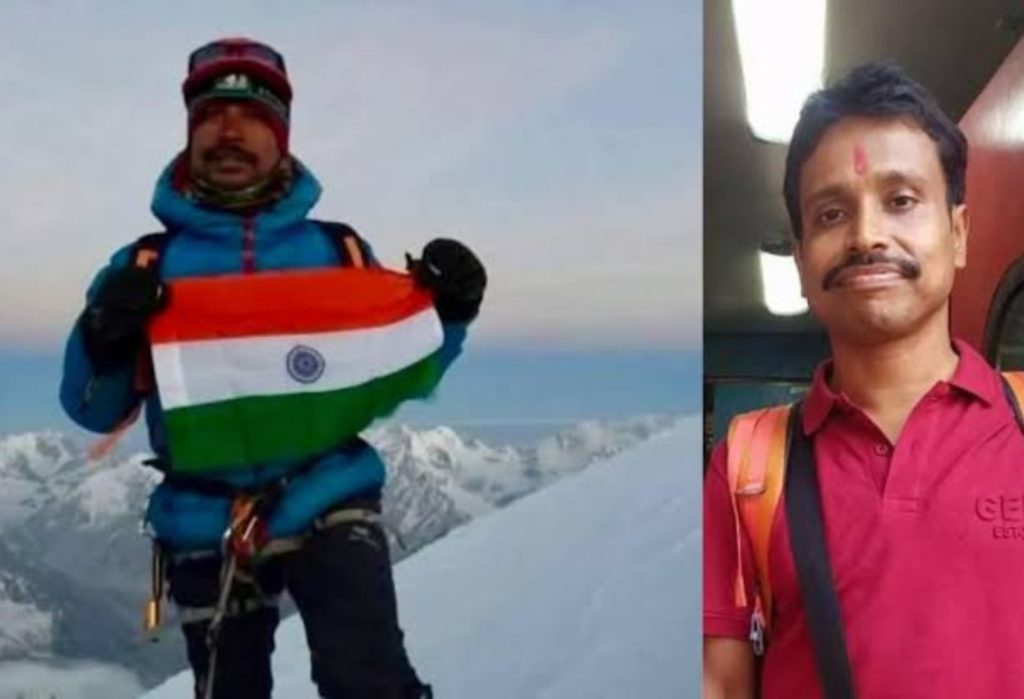
This is a very tragic example of how altitude sickness can strike even after reaching the summit, particularly when fatigue and low oxygen content are involved.
If you are planning a mountain adventure, it is the most important thing you should take care of. No one can enjoy it without solving all the medical issues you have . Because a higher altitude can make it worse.
1. Climb Slowly and Take Your Time to Reach the Top
Climb slowly and allow your body time to adjust. The key rule in avoiding altitude sickness is simple: do not climb the mountain too quickly. Once you are above 2,500 meters, it’s best to gain no more than 300–500 meters in altitude per day. Additionally, it is helpful to take a rest day every three to four days to allow your body to adapt fully. Many trekkers also follow the idea of “climb high, sleep low,” which means going a bit higher during the day but returning to a lower altitude to sleep. For example, most guided tours to Everest Base Camp in the Himalayas already include rest days for acclimatization in their plans. In the mountains, being patient isn’t weak; it’s a smart and safe way to make your mountain adventures successful and memorable. If you really want to enjoy every moment, at a higher altitude than taking care of necessary things at a higher altitude is a must.
2. Stay Hydrated – Your Body Needs More Liquid at High Altitude
When you travel to high altitude, staying hydrated becomes very important. Your body loses more water than usual because you breathe faster and the air is much drier. This can lead to dehydration, which increases the risk of altitude sickness and more problems. To stay safe, try to drink at least 3 to 4 liters of water each day during your mountain trip. A simple way to check if you are drinking enough is to look at your urine; if it is clear or light in color, you are likely well hydrated. It’s also best to avoid too much caffeine and alcohol, especially during your first few days at a higher altitude. Alcohol can slow your breathing and make altitude symptoms worse. Adding electrolytes to your water can also help keep your body balanced and energized.
3. Recognize Early Symptoms and Act Immediately
One of the biggest mistakes travelers make is ignoring early signs of altitude sickness.
If you ever experience:
Persistent headache
Nausea
Loss of appetite
Dizziness
If you begin to notice the symptoms of altitude sickness, do not continue to climb any higher. Instead, remain at the same altitude and allow your body time to rest until you feel better. In most cases, a good rest will help alleviate symptoms. But if your symptoms worsen, you should head down as soon as possible. Even descending 600 to 1,000 meters can make a world of difference. One of the most important mountain safety rules is to listen to your body and act accordingly. Don’t try to defend what your body is not capable of at that time.
4. Eat a High-Carbohydrate Diet
At high altitude, your body uses carbohydrates for energy more easily than fats. That’s why eating foods rich in carbohydrates can help you feel more energetic and support your body as it adjusts to the thinner air.
So when travelling to a high altitude, primarily focus on:
- Whole grains
- Energy bars
- Potatoes
- Fruits
- Rice and pasta
When trekking in mountainous regions such as the Andes, you will find that local cuisine consists of quinoa, potatoes, and warm soups. These are easy to digest, filling, and give good energy, which will help your body acclimate to the higher altitude. On the other hand, it is best to avoid heavy and fatty foods, as these are more difficult to digest when at higher altitudes. It is best to eat light and balanced meals.
5. Consider Preventive Medication (If Necessary)
If you are planning a high or challenging climb or if you have had altitude sickness before, you may want to talk to your doctor about preventive medicine. In some cases, doctors prescribe a medicine called acetazolamide (Diamox). This medicine can help your body adjust more quickly by improving your breathing and helping your body use oxygen better. However, it is very important to consult a healthcare professional before your trip and follow their advice. If the medicine is recommended, it is usually started 24 to 48 hours before you begin going higher.
Remember, medicine should only be used as support. It is not a replacement for climbing slowly and giving your body enough time to adjust.
6. Sleep Well at High Altitude
Sleeping at high altitude can sometimes be difficult because there is thinner air and less oxygen in the air. You may notice lighter sleep or wake up very often during the night. This is normal, but there are simple ways to improve your rest. Avoid drinking alcohol or smoking before bed, as it can make breathing problems worse at high altitude. Make sure you stay warm by wearing proper layers, and it is very important to try to keep your head slightly raised while sleeping. If you take a few minutes to practice slow and steady breathing before bed It can also help your body relax and sleep comfortably at a high altitude.
If it is possible, try not to climb too high on the same day before you go to sleep. The best thing is to hike higher during the day but descend to a slightly lower altitude to spend the night. This will help alleviate symptoms and allow your body to adapt better. Sleeping well is also important because it helps your body adapt to the mountain environment.
7. Avoid Overexertion in the First Few Days
Pushing yourself can be tempting, particularly when you’re surrounded by beautiful scenery like the Rocky Mountains’ peaks. However, excessive exertion stresses your body and raises your oxygen demand.
During your first 48–72 hours at altitude:
- Walk at a moderate pace.
- Avoid heavy lifting or intense activity.
- Take frequent breaks.
Storing energy allows your body to focus on acclimatization instead of recovery. Always remember The mountain isn’t going anywhere. Pace yourself.
Train Before You Go at a high altitude adventure
Before going on a mountain trek, it is important to prepare your body with some basic physical exercise. Being physically fit does not completely prevent altitude sickness, but it helps your body handle the physical effort of trekking at higher elevations. When your heart and lungs are strong, you are better prepared for long hiking days.
Try to incorporate regular aerobic activities like cycling, hiking, or running into your routine before your trip. You can also get ready for carrying equipment on the trail by going on lengthy walks with a rucksack. Since your legs and core perform the majority of the work during climbs, it’s a good idea to strengthen them as well. You will feel more confident, stronger, and more at ease during your mountain adventure if you prepare your body in advance.