
Bought mint. Watered it. Dead in two weeks. Sound familiar? The problem isn’t your green thumb, it’s your balcony. From root-zone heat to wrong soil and invisible pests, here’s every real reason your mint keeps dying, and exactly how to fix it.
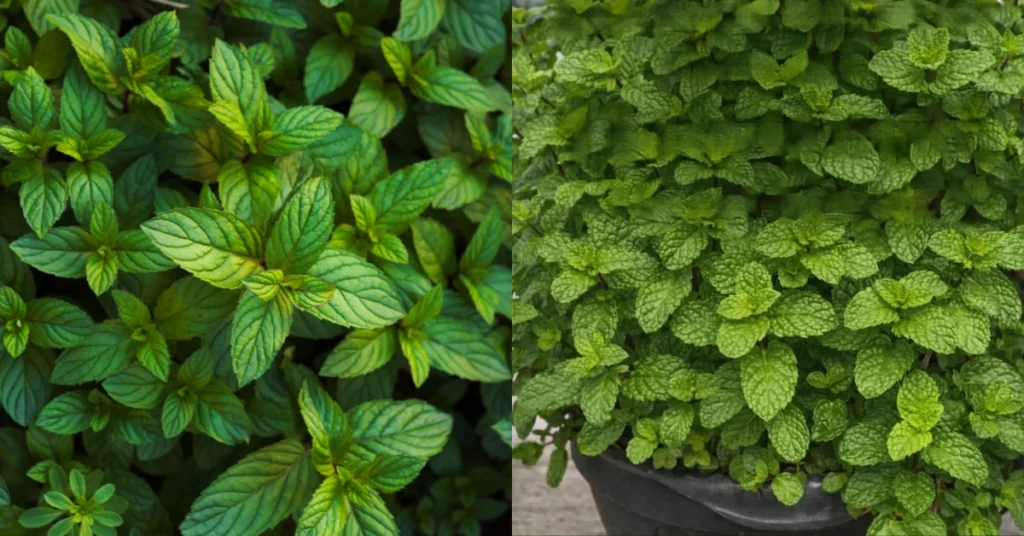
Mint grown on a balcony seldom lasts more than a few weeks because the growing conditions are so at odds with its natural environment.
The stress caused by hot concrete floors, intense afternoon sun, high root-zone temperatures, poor drainage, compact nursery soil, and improper watering quickly weakens or kills the plant.
This guide describes the most common causes of mint failure on balconies and the steps you can take to prevent them.
The Balcony Gardening Mistake I See Everyone Make
Before diagnosing your dead mint, understand what your balcony actually is climatically.
A balcony is a heat trap. Concrete floors and walls absorb radiant heat all day and release it at night.
A south or west-facing balcony in Indian cities like Delhi, Mumbai, or Bangalore can reach surface temperatures of 55–65°C in peak summer. The ambient air temperature might say 38°C, but the temperature at pot level — sitting on that concrete — can run 15–20°C hotter.
Mint’s root zone operates ideally between 15–21°C. Once soil temperatures cross 30°C consistently, root function begins shutting down.
Water uptake slows. The plant wilts even if the soil is wet. This is called heat stress wilt, and it’s the single most common reason balcony mint dies, yet almost no beginner gardener identifies it correctly.
They see wilting and water more. The roots, already struggling in warm soil, drown.
This one root-zone temperature issue explains probably 60% of balcony mint deaths.
I Never Thought the Floor Was Cooking My Plant Roots From Below
This is the kill shot for mint on most balconies.
A black plastic nursery pot sitting on white concrete in the afternoon sun is essentially a slow cooker. The pot absorbs heat through its base and sides.
Even terracotta pots — which many people assume are better — radiate heat laterally straight into the root zone when placed flat on hot concrete.
What you should do instead:
- Elevate the pot off the floor using a wooden pallet, a pot stand, or even two bricks. A 5–7 cm gap allows air circulation beneath the pot and can reduce root-zone temperature by 8–12°C.
- Switch to a light-colored pot. White, cream, or pale terracotta reflects rather than absorbs solar radiation. A black nursery container on a Delhi balcony in May is simply incompatible with mint survival.
- Use a double-pot technique: place your mint pot inside a slightly larger pot with air space between them. The outer pot insulates and prevents direct heat transfer.
If you do only one thing from this entire article, elevate your mint pot off the floor. This single change will extend plant life dramatically.
I Kept Using the Soil That Came With the Plant — Big Mistake
This surprises people. The black, dense, heavy soil that mint usually comes planted in from nurseries is designed to retain moisture during transport and display — not for long-term container growing.
In a balcony pot, this dense soil creates two alternating problems:
- Waterlogging after watering — the dense mix holds water around roots longer than they can tolerate, promoting root rot (Pythium and Phytophthora fungi).
- Hydrophobic crusting when dry — once this soil dries out completely, it shrinks away from the pot edges. When you then water, the water runs straight down those gaps and out the drainage hole without actually wetting the root zone. The plant looks watered. It’s actually still drought-stressed.
The right soil mix for balcony mint:
Mix equal parts:
- Coarse river sand or perlite (for drainage)
- Coconut coir (for moisture retention without compaction)
- Compost (for nutrition)
This combination drains freely, doesn’t compact, and stays aerated. Mint roots need oxygen as much as water.
If you can’t make this mix, at minimum loosen the nursery soil aggressively and mix in 30–40% perlite or washed sand before planting.
Report your mint within the first week of buying it. The nursery soil is temporary media, not growing media.
Overwatering Disguised as Underwatering
This is the most counterintuitive kill mechanism in container gardening.
When mint wilts on a hot balcony, the instinct is to water more. But overwatered mint wilts too — it looks identical to underwatered mint. The difference is in the soil and the roots:
- Underwatering: Soil is dry 2–3 cm below the surface. Leaves feel slightly papery. Wilting is worse in afternoon heat, improves slightly in morning.
- Overwatering: Soil is wet or damp even 4–5 cm down. Lower leaves yellow first. Stems near the soil line may look dark or soft. There may be a slightly sour smell from the soil.
The correct watering practice for balcony mint:
Do the finger test before every single watering. Push your finger 3–4 cm into the soil. Water only if it feels dry at that depth.
In summer heat, this might mean watering once a day in the morning. In cooler weather, it might mean every 2–3 days.
Water deeply and completely — until water runs freely from drainage holes — rather than small sips multiple times.
Shallow watering trains roots to stay near the surface, making the plant more vulnerable to heat and drought stress.
Always water in the early morning, never in the afternoon. Afternoon watering on a hot balcony can cause rapid temperature swings in the root zone, and wet foliage in heat promotes fungal issues.
Your Pot Has No Drainage (or Blocked Drainage)
Mint sitting in water for more than 24 hours begins developing root rot. It’s not a gradual process — it’s fast, especially in warm temperatures where fungal pathogens are active.
Check these things:
- Does your pot have drainage holes? Decorative pots often don’t. If yours doesn’t, either drill holes or use it as a cache pot (a decorative outer container) with a proper drainage pot inside.
- Are the holes blocked? Sitting directly on a flat surface can suction-seal drainage holes. Elevation fixes this too.
- Are you using a saucer? Saucers are root rot factories if left filled with water. Empty the saucer within 30 minutes of watering. If you forget, stop using a saucer.
A single episode of root rot is usually fatal for mint in a small container. The roots turn brown and mushy, uptake stops, and the plant collapses despite appearing well-watered. By the time you see top growth wilting from root rot, the damage is usually irreversible.
Too Much Direct Sun on an Exposed Balcony
Mint is often labeled a “full sun” herb. That’s true in temperate climates in the UK or northern Europe, where full sun means 5–6 hours at 22°C. It does not mean 8 hours of direct, vertical Indian summer sun at 40°C+.
In tropical and subtropical conditions, mint performs best with:
- 4–5 hours of morning sunlight (before 11 AM)
- Bright indirect light or dappled shade in the afternoon
If your balcony faces west or south and has no shade source, you need to create one. A shade cloth (50% density green agro-net, available at any nursery or on Amazon India for ₹150–300) draped over mint in the afternoon will make an enormous difference.
Alternatively, position mint behind taller plants that block the harshest afternoon angles.
Signs of sun scorch on mint look like bleached or papery patches appearing on the top surface of leaves — the side facing the sun.
This is distinct from nutrient deficiency yellowing, which starts from the edges or the lower leaves.
The Pot Is Too Small
Mint is a vigorous, spreading plant. Its root system develops horizontally as much as vertically — that’s how it spreads in the ground through runners.
A 4-inch nursery pot gives mint almost no room. The roots hit the walls within days, begin circling, and the plant becomes root-bound. Root-bound mint:
- Dries out within hours of watering
- Has no buffer against heat or cold spikes
- Cannot access sufficient nutrients even if you fertilize
- Is permanently stressed and susceptible to every pest and disease
Minimum pot size for balcony mint: 8–10 inches wide and at least 8 inches deep. A 12-inch pot or a rectangular window box is even better. Wider is more important than deeper for mint specifically, because its root system is horizontal.
When you move mint into a proper-sized container with good soil, the growth transformation is visible within a week. This is not optional.
Transplant Shock You’re Not Accounting For
The mint you buy at a nursery has almost certainly been grown in a protected greenhouse or shade net environment. It’s conditioned to low wind, filtered light, stable temperatures, and regular commercial fertigation.
The day you put it on your balcony, it faces:
- Wind (especially on upper floors)
- Intense direct sunlight it has never experienced
- Temperature swings of 15–20°C between night and day
- Dry air with low humidity
This shock is real, and it kills plants that are otherwise perfectly healthy.
How to harden off new mint before full balcony exposure:
- For the first 3–5 days, keep new mint indoors near a bright window or in a shaded balcony corner
- Gradually introduce it to more direct light over 7–10 days
- Avoid exposing it to harsh afternoon sun for the first two weeks
Most people skip this entirely, place the new mint in full balcony conditions immediately, and then wonder why it collapses within a week. The plant isn’t dying from bad care — it’s dying from the shock of a sudden, extreme environmental change.
You’re Not Harvesting Enough
This sounds counterintuitive, but neglecting to harvest mint actually accelerates its decline.
Mint that’s left to grow unpruned does two things that hurt it:
- It bolts toward flowering. Once mint begins to flower, it puts all its energy into seed production and leaf quality drops sharply. Leaves become smaller, taste changes, and the plant begins to senesce (age and die back) from the base upward.
- The canopy becomes too dense. Thick, unpruned mint foliage traps moisture against stems, creating the humid conditions that fungal diseases love. Powdery mildew, in particular, spreads rapidly in dense, poorly-ventilated mint.
Harvest rule for balcony mint: Never let it grow beyond 15–20 cm before trimming. Cut stems back to just above a leaf node, removing the top third of growth. Do this regularly — at least every 10–14 days. This forces the plant to branch out, stay bushy, and postpone flowering.
If you see flower buds forming (small tight clusters at the stem tips), pinch them off immediately. Every flower bud you remove extends the productive life of your plant by weeks.
Pests Operating Below Your Radar
Two pests destroy balcony mint fast and quietly:
Spider mites are the number one balcony mint killer you’ve probably never seen. They’re near-invisible (0.5mm) and colonize the underside of leaves, piercing cells and sucking contents. Signs: tiny stippled dots on upper leaf surfaces, fine webbing on undersides in advanced infestations, leaves that bronze and curl under. They thrive in hot, dry balcony conditions — exactly the environment most balconies have.
Fix: Spray the undersides of all leaves with a strong jet of water every 3–4 days. For active infestations, diluted neem oil (5ml neem + 1ml dish soap + 1L water, sprayed in the evening) applied twice weekly for two weeks is effective.
Aphids cluster on new growth and flower buds, draining sap and transmitting viral diseases. They leave sticky honeydew residue. Fix: Same neem oil spray, or a diluted soap spray (3–4 drops dish soap per liter of water).
Check the undersides of your mint leaves every time you water. This habit alone will catch most infestations before they become fatal.
No Nutrition After the First Month
Potting mix nutrition depletes within 4–6 weeks in a container with regular watering (nutrients leach out through drainage). After this point, your mint is essentially growing in inert media.
For a low-maintenance balcony approach:
- Top-dress with compost once a month: add a thin layer (1–2 cm) of quality compost to the top of the pot. Watering will slowly integrate nutrients downward.
- Use liquid fertilizer every 2 weeks: a diluted seaweed extract or diluted compost tea (both available at nurseries) fed during regular watering provides trace minerals and stimulates root health.
- Don’t over-fertilize with nitrogen: too much nitrogen produces fast, lush, tender growth that’s highly attractive to aphids and less resilient to heat and moisture stress.
The Mint That Actually Survives: A Realistic Setup Summary
Here’s what sustainable balcony mint looks like in practice:
- Container: 10–12 inch wide pot, light-colored, elevated off the floor on a stand or bricks
- Soil: Free-draining mix (coir + perlite + compost), not dense nursery soil
- Position: Morning sun only (before 11 AM), afternoon shade or 50% shade cloth
- Watering: Deep watering when top 3–4 cm of soil is dry, morning only, saucer emptied promptly
- Drainage: Clear holes, elevated base, no standing water
- Harvesting: Regular trimming every 10–14 days, all flower buds removed as they appear
- Pest monitoring: Weekly check of leaf undersides, neem spray at first sign of mites or aphids
- Nutrition: Monthly compost top-dressing, fortnightly liquid feed
This isn’t complicated. It’s specific. And specificity is exactly what mint needs — not more generic care, but an environment calibrated to its actual biology.
Final Thought: Don’t Buy Mint in the Wrong Season
One last honest note. If you’re in North India and you’re trying to establish a new mint on a balcony in May or June, you are fighting the climate. Mint is genuinely difficult to establish in peak summer heat from scratch.
The best time to establish balcony mint in most of India is October through February. Plants established during cooler, milder months develop strong root systems that then survive summer far better than summer-planted seedlings that never had a chance to get established.
If you’re in peak summer and your balcony is truly hot, wait. Buy mint in October, establish it properly, and you’ll still be harvesting from that same plant two years later.
Mint isn’t hard to grow. Balcony conditions are hard. Once you close that gap — with the right container, soil, position, and habits — mint is actually one of the most rewarding herbs you can grow at home.