LPG Gas Cylinder Shortage: Causes, Effects, and Long-Term Solutions
 Anjali Bhardwaj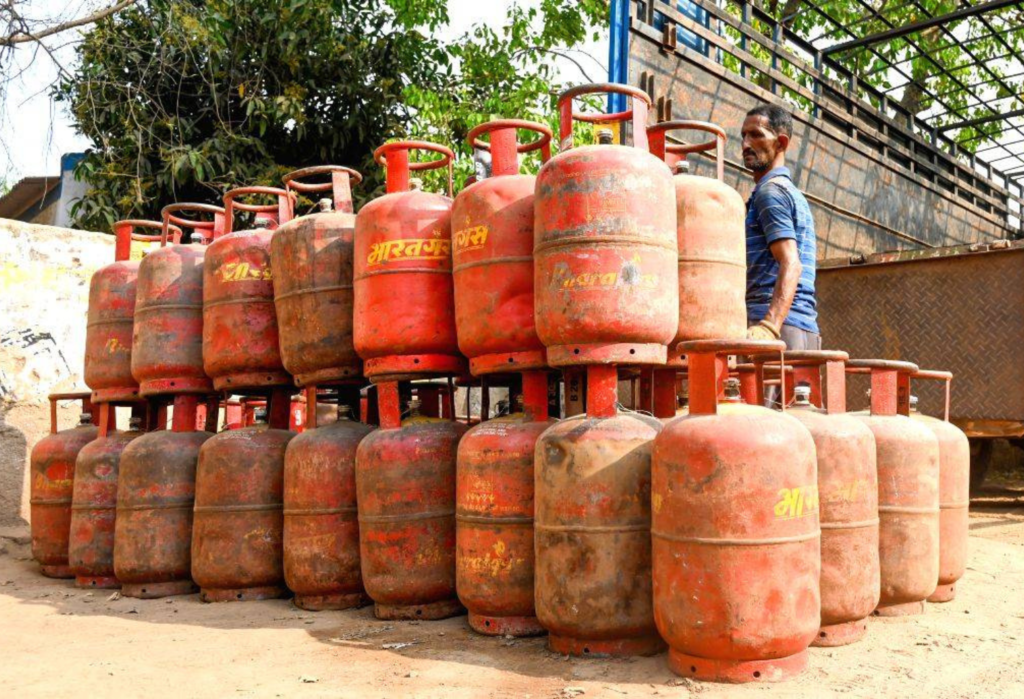
For millions of households around the world, the LPG cylinder is far more than just a container of fuel; it’s an essential part of daily life. Whether in a busy city apartment or a small rural home, many families depend on it to prepare their everyday meals. Over the years, liquefied petroleum gas (LPG) has become one of the most widely used clean cooking fuels because it is convenient, efficient, and relatively affordable. Today, an estimated 1.3 billion people around the world rely on LPG cylinders for their household energy needs, with particularly high usage across Asia and Africa.
LPG Consumption by Major Countries (recent data)
| Rank | Country | Annual LPG Consumption |
| 1 | China | ~96 million tonnes |
| 2 | India | ~39 million tonnes |
| 3 | United States | ~34 million tonnes |
| 4 | Indonesia | ~8 million tonnes |
| 5 | Brazil | ~7 million tonnes |
| 6 | Japan | ~6 million tonnes |
| 7 | Mexico | ~8 million tonnes |
| 8 | Bangladesh | ~1.6–2 million tonnes |
| 9 | Nigeria | ~1.3 million tonnes |
| 10 | Turkey | ~4 million tonnes |
Sources: PPAC LPG Consumption Data
Despite the significant importance of LPG use in our day-to-day cooking activities, the supply of LPG is not always perfectly stable. There have been situations where some regions face a shortage of LPG cylinders. In such situations, the impact is felt almost immediately. Kitchens at home, restaurants, and many people end up searching for alternative sources of fuel. It is because of this that the reasons behind the shortage of LPG cylinders become important. They help us think of ways to prevent the situation from happening again.
Recent LPG Supply Pressure in India
India’s LPG supply chain has faced temporary pressure due to the growing demand and the uncertain supply from the global market. India’s LPG consumer base is more than 32 crores, and the consumption level has surpassed approximately 39 million tonnes annually. India is one of the biggest LPG markets in the world. India’s LPG requirement is met to the extent of two-thirds through imports from West Asia. In case of any disruption in the international route, the supply chain may face a temporary slowdown. There may be a situation where the household may face a delay in the refill of the gas cylinder, or the restaurants may face the same issue.
Why LPG Cylinder Shortages Happen
There are many reasons why the shortage of LPG cylinders occurs. One of the most important reasons is disruptions in supply chains, including transportation delays, production limits, rising demand, and distribution challenges.
Major reasons are:
1. Heavy Dependence on Imports
In many parts of the world, LPG supply depends heavily on imports. Take India as an example; domestic production meets only part of the country’s demand, while roughly 62–65% of LPG consumption is fulfilled through imports. Because of this reliance on global supply, any disruption in international shipping routes or fluctuations in global energy markets can quickly affect availability. When imports slow down, the pressure is felt locally, often leading to tighter supply and delays in LPG cylinder distribution.
Approximate LPG import volumes by India (Million Metric Tonnes – MMT)
| Year | LPG Imports (MMT) |
| 2020-21 | ~16.0 MMT |
| 2021-22 | ~17.0 MMT |
| 2022-23 | 18.3 MMT |
| 2023-24 | ~20.5 MMT |
| 2024-25 | ~23.3 MMT |
Sources: Government petroleum ministry data(PPAC), industry estimates, and shipping analytics.
2. Growing Demand for Clean Cooking Fuel
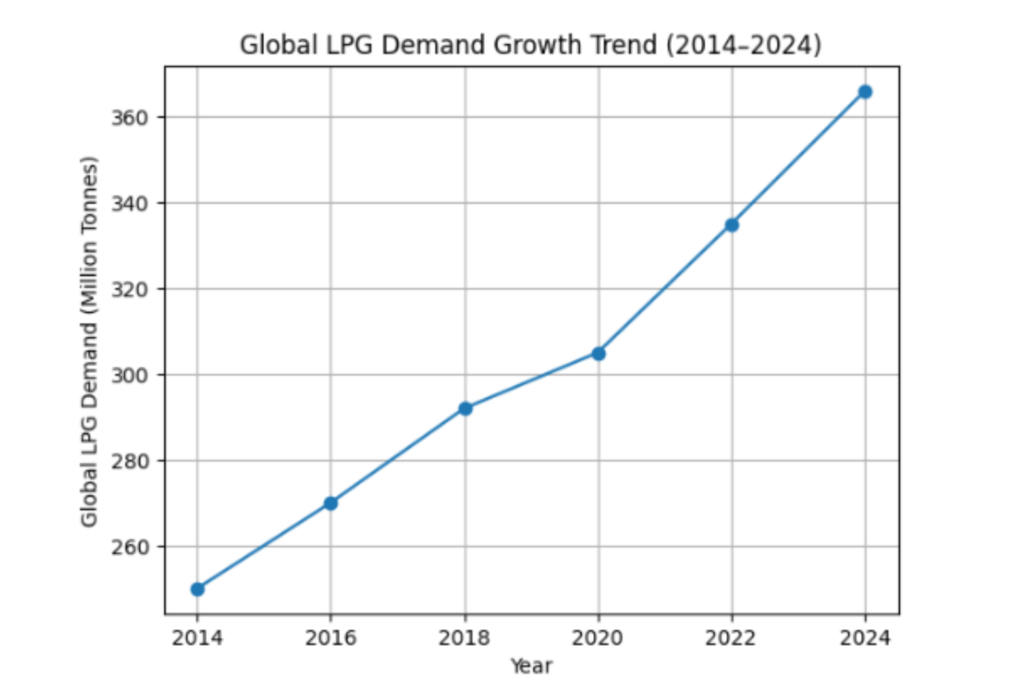
Over the last decade or so, there has been a high demand for LPG due to an increase in government policies to encourage clean fuel usage instead of traditional fuel sources such as firewood and coal. Millions of people in developing nations are turning to LPG because it does not produce smoke in homes, thus reducing health hazards caused by air pollution.
Today, global LPG demand has crossed 330 million tonnes per year and continues to rise steadily. While this shift is a positive step for both public health and the environment, it also places greater pressure on supply systems. To avoid shortages, production, storage, and distribution networks need to expand at the same pace as the growing demand.
Sources: International Energy Agency (IEA)
3. Distribution and Infrastructure Limitations
Another factor that often contributes to LPG shortages is an inefficient distribution system. Before a cylinder reaches a household kitchen, it passes through several stages in the supply chain, from refineries and storage terminals to bottling plants, distributors, and local delivery networks.
In rural or remote areas, this process can become even more challenging due to transportation limitations and infrastructure gaps. As a result, deliveries may take longer than expected. Some studies suggest that around 39% of rural LPG users experience irregular refill services, with many households waiting more than a week to receive a replacement cylinder.
4. Panic Buying and Hoarding
Shortages can sometimes be worsened by consumer behaviour. When news about possible supply disruptions spreads, many households tend to book refills earlier than usual or keep extra cylinders at home as a precaution.
This reaction is understandable; it temporarily reduces the number of cylinders available in circulation. As refill cycles slow down, it may create the impression of a larger shortage, even when the overall supply is still relatively stable.
Impact of LPG Cylinder Shortages on Households and Businesses
While the shortage of LPG cylinders may be a temporary issue, its consequences are felt soon enough. In the case of households, for instance, the need for cooking gas cannot be postponed. Therefore, a delay in the refilling of cylinders means a switch back to traditional fuels such as wood or kerosene, which not only involves a higher amount of effort for cooking but can also result in a higher level of air pollution.
In the case of small businesses such as tea stalls, food vendors, or restaurants, a shortage of LPG cylinders may result in a decrease in production activities or an increase in prices. However, a shortage may also result in a higher price for the cylinders sold in the black market. In a few situations, a switch to traditional fuels such as wood or charcoal may result in an increase in air pollution and a decrease in efforts to reduce deforestation.
Long-Term Solutions to Prevent Shortages
Several key steps can help make LPG distribution more reliable and ensure households continue receiving fuel without frequent disruptions.
Like:
- Strengthening Supply Infrastructure
Investing in new storage terminals, bottling plants, and transportation infrastructure can enhance the reliability of LPG distribution. This will ensure that cylinders are transported efficiently through the system and reach households on time.
- Expanding Domestic Production
Countries that depend heavily on imports can reduce supply risks by increasing domestic refining capacity or diversifying sources of LPG imports.
- Promoting Alternative Cooking Options
Expanding access to piped natural gas, electric induction cooktops, and other clean energy options can reduce pressure on cylinder-based LPG systems in densely populated areas.
- Encouraging Responsible Consumption
Finally, there is a role for public awareness. Making bookings for cylinders only when they are truly needed, and avoiding stockpiling, helps keep the system moving for everyone.

 Shubham Thakur