In the wake of the widespread growth of the internet in the country, cyber threats are rising at an alarming rate in India. From internet banking and online transactions like UPI, social media, to work-from-home tools, Indians are more connected than ever before. Yet, the flip side also reveals that cyber criminals are finding innovative ways to recycle personal data, money, and identities from the internet.
Why Cyber Security Is Important in India
One of the biggest digital markets in the world is India. Cyberattacks like phishing, OTP fraud, fake apps, and data leaks are becoming more frequent as millions of people use smartphones, online payments, and cloud services every day.
Common cyber crimes in India include:
- Online banking and UPI fraud
- Malware and spyware attacks
- Social media account hacking
- Fake customer care scams
- Identity theft
A single careless click can lead to financial loss or data misuse. That’s why cyber awareness is the first line of defence.
Whether you are a student, working professional, business owner, or a senior citizen, knowing the simple cyber security tips has become mandatory for all Indian netizens. This guide explains practical and easy cyber security tips every Indian internet user must know to stay safe online.
1. Use Strong and Unique Passwords
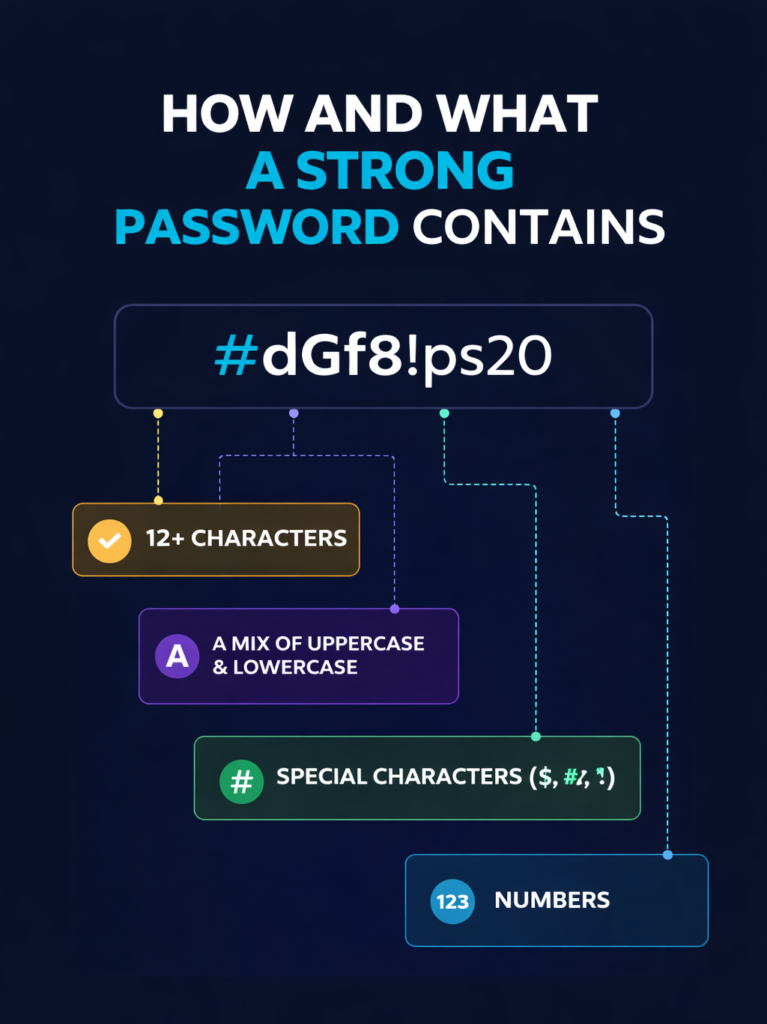
One of the biggest mistakes internet users make is using the same password for multiple accounts.
Expert-Recommended Tips:
Use a strong password with a mix of letters, numbers, and symbols. Avoid using your name, date of birth, or phone number.Use different passwords for banking, email, and social media .Change passwords regularly.
2. Enable Two-Factor Authentication (2FA)
Beyond your password, two-factor authentication provides an additional degree of protection. Without the second verification, even if your password is stolen, they won’t be able to access your account.
Where you should enable 2FA:
- Email accounts
- Social media platforms
- Cloud storage
- Banking and UPI apps
The majority of account-hacking attempts can be avoided with this easy step.
3. Download Apps Only from Trusted Sources
Many cyberattacks occur through fake or modified mobile applications. To stay safe, always download apps only from trusted sources like the Google Play Store or Apple App Store. Before installing, check app ratings, user reviews, and developer details carefully. Avoid APK files from unknown websites and remove unused apps regularly. Fake apps can steal personal data and may secretly run malware in the background without your knowledge.
4. Beware of Phishing Messages and Fake Links
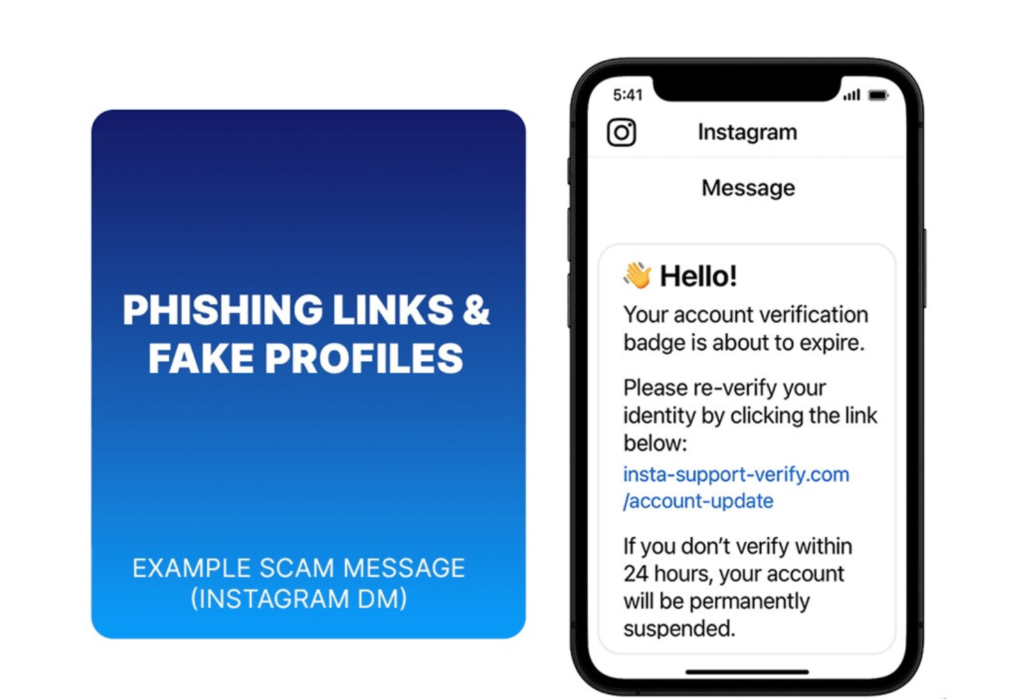
Phishing is one of the most common cyber threats in India. Fraudsters send fake SMS, WhatsApp messages, emails, or calls pretending to be banks, delivery companies, or government agencies. Never click unknown links and never share OTPs or bank details with anyone.
Warning signs to look out for:
- Links that guarantee prizes, reimbursements, or lottery victories
- Urgent messages threatening account suspension
- The messages requesting passwords, PINs, or OTPs
5. Protect Your Online Payments
Because India is a leader in digital payments, users are particularly vulnerable to cybercrime.
Secure payment tips:
- Use official banking and UPI apps only
- Avoid public Wi-Fi while making payments
- Never scan unknown QR codes
- Enable transaction alerts
- Set daily transaction limits
If you suspect fraud, report it immediately to your bank and the cyber crime helpline-1930.
6. For Sensitive Activities avoid public Wi-Fi
Public Wi-Fi networks in places like cafes, airports, and railway stations are often unsecured and risky to use. Hackers can intercept your data, steal passwords, or even inject malware into your device. If you need to connect to public Wi-Fi, avoid logging into banking or email accounts, use a VPN for added protection, and turn off auto-connect settings to stay safer.
7. Keep Devices and Software Updated
One of the easiest ways that hackers break into your devices is through outdated software. The operating systems on mobile phones, laptops, and desktops should be updated, just like browsers, banking apps, payment apps, and antivirus software. It is very important to note that all these updates generally carry security patches for known vulnerabilities, which fix the same to protect your data from possible cyber threats.
8. Be Careful on Social Media
Oversharing on social media can put you at risk.
Things to avoid sharing publicly:
- Phone number and address
- OTPs or screenshots of transactions
- Travel plans
- Personal documents
Accept friend requests only from people you know,It will help yourself to protect from fake profiles.
9. Backup Your Data Regularly
Data can be lost due to hacking, theft of devices, or even malware attacks.
Best practices for backup operations:
- Utilizing cloud storage with encryption
- Keep offline backups on external drives
- Backup important documents, photos, contacts
Maintaining regular backups means you wouldn’t lose critical information even after a cyber attack.
10. Educate Yourself and Family Members
Cyber security awareness should not be limited to individuals alone.
- Educate children about online safety
- Help senior citizens identify fraud calls
- Stay updated on new cyber scams
The more informed you are, the safer your digital life becomes.
What to Do If You Become a Victim of Cyber Crime:
If you suspect any kind of cyber fraud, act immediately. Inform your bank as soon as possible and call 1930, the National Cyber Crime Helpline. You should also report the incident on the official cyber crime portal and change the passwords of all affected accounts. Taking quick action can significantly reduce financial loss and prevent further misuse of your data.
Visit the government website to report or contact for Cyber Crime



Yeah!! Everyone should know about cyber security. this knowledge will help everyone to protect from cyber fraud. Thank you Rasedul ❤️❤️
To be honest everyone should learn about cyber security to protect from cyber crime. As cyber criminal and fraud increasing day by day. This article is enough to give you complete knowledge and guide to protect from cyber fraud. Thank you and appreciate the writer author Mr Rasedul.👍👍🙏
Yes It is very helpful.👍👍
Great 👍😃. Thank you this helped me in my college presentation ❤️❤️❤️
Good 👍 contents