
Indian summers are brutal on flowering plants—but they don’t have to be. From sadabahar to bougainvillea, these ten heat-proof beauties bloom through 40°C+ days with the right soil, watering rhythm, and a few hard-earned lessons from my own scorched balcony.
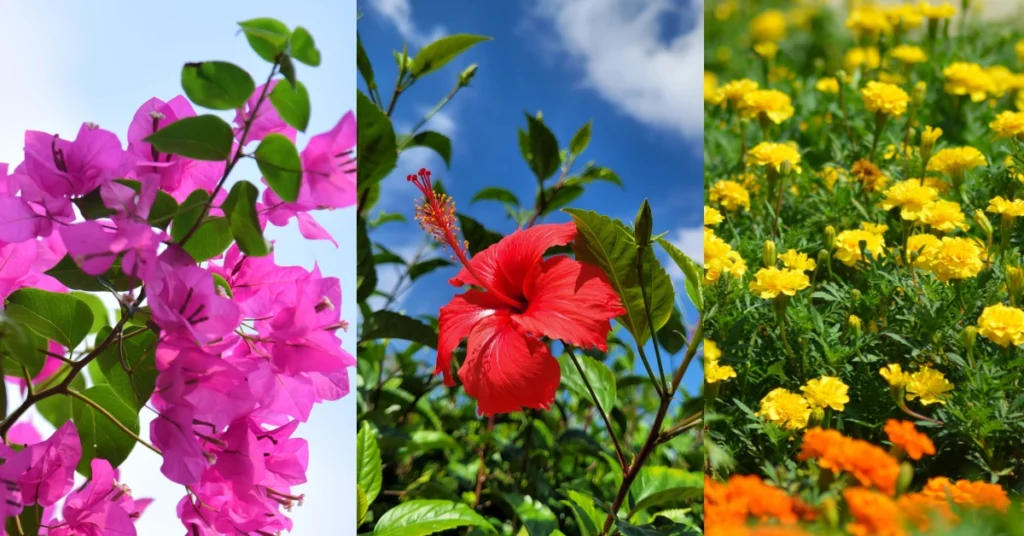
Three summers ago, I lost an entire balcony of petunias in eleven days flat. Temperatures had just touched 44°C, and finding the best summer flowers that could actually survive became my obsession.
The potting mix had gone bone-dry by 11 am despite watering at dawn, and by the time I got home from work, the leaves had crisped at the edges like old paper.
That was the summer I stopped following gardening blogs written for British or American climates and started paying attention to what actually survives an Indian summer — not just surviving, but flowering through it without turning into a daily rescue mission.
If you’ve searched “summer flowers for garden” and ended up with lists full of dahlias, sweet peas, and snapdragons, you already know the problem. Those are winter flowers in most of India. They’ll sulk and die the moment Holi is over.
What follows here is a list built from actual trial and error across pots, terrace beds, and ground soil in Indian conditions — heat above 38°C, erratic municipal water supply, hard tap water, and the kind of dry wind that pulls moisture out of leaves faster than roots can replace it.
I’ll also tell you upfront: not every flower on this list will work in every Indian city. A plant that thrives in humid Chennai might rot in dry Jodhpur, and something that loves Bengaluru’s mild summer will scorch in Nagpur. I’ve noted region-specific behaviour for each one, because that’s usually the detail missing from generic plant lists.
Before You Plant: How to Care for the Best Summer Flowers
Most “my flowers died in summer” complaints I get from readers trace back to one of three basics, not the plant variety itself.
1. Choose soil that drains but doesn’t dry out completely. In peak summer, a heavy clay-based potting mix bakes hard and cracks, while pure sandy soil drains so fast the roots never get a drink. My go-to ratio for pots in summer is 40% cocopeat, 30% garden soil, 20% well-rotted cow dung manure or vermicompost, and 10% coarse sand or perlite for drainage. This holds moisture for longer without waterlogging.
2. Focus on watering time, not just watering quantity. Water before 7 am or after 6 pm. Watering a sun-heated pot at noon shocks the roots — the sudden temperature change does more damage than the heat itself. If you can only water once a day, early morning is non-negotiable; evening watering alone leaves plants stressed through the hottest hours.
3. Use mulching (which almost nobody in Indian home gardening actually does). A 1-2 inch layer of dry leaves, coco husk chips, or even dried grass clippings on top of the soil cuts water loss by a noticeable margin and keeps root zone temperature down. I started mulching my terrace pots two summers ago and cut my watering frequency from twice daily to once daily for most flowering plants.
With that out of the way, here are the ten flowers that have actually earned their place in Indian summer gardens.
1. Vinca / Sadabahar (Catharanthus roseus)
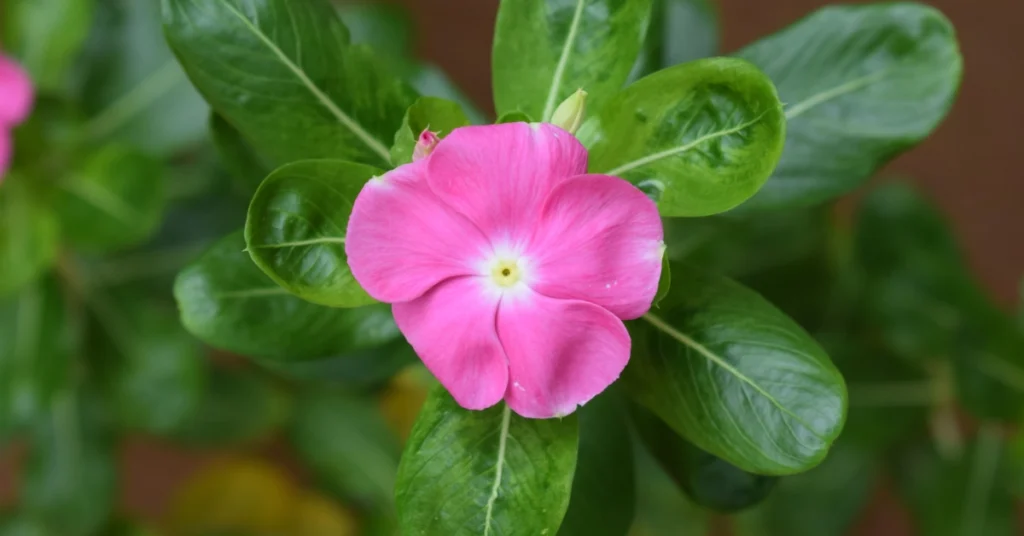
If there’s one flower that genuinely doesn’t care how hot it gets, it’s vinca. Locally called sadabahar (Catharanthus roseus)— literally “always spring” — for good reason. It flowers continuously from March through October across most of India, including in plain ground soil with minimal care.
Where it thrives: Everywhere — North, South, coastal, dry interior. This is the one plant I recommend to absolute beginners because it’s nearly impossible to kill from heat.
Soil and pot prep: Doesn’t need rich soil at all. In fact, overly fertile soil leads to more leaves and fewer flowers. A basic mix of garden soil with 20% sand works fine. A pot size of 8-10 inches is enough per plant.
Watering: This is the one place people go wrong with vinca — overwatering, not underwatering, kills it. Water only when the top inch of soil feels dry. In peak summer, that’s roughly every 2 days for pots, not daily.
Common problem: Root rot from overwatering, recognisable by yellowing lower leaves and a mushy stem base. Solution: cut back watering immediately and improve drainage by mixing in extra sand.
Sourcing tip: Buy small nursery seedlings (₹10-15 each) rather than seeds in summer — seed germination is unreliable above 35°C ambient temperature.
2. Marigold / Genda (Tagetes)
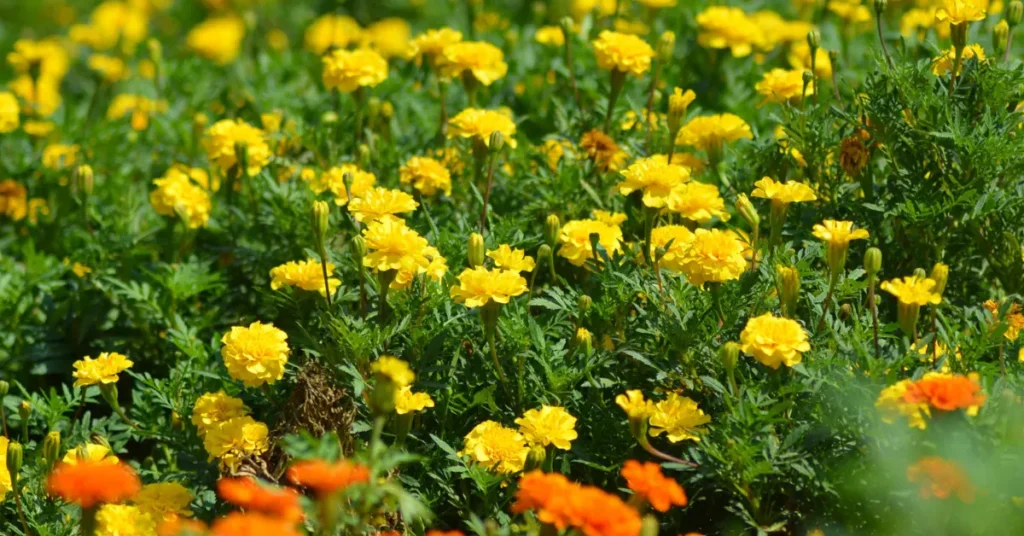
Marigold gets dismissed as “too common” by garden influencers, but for sheer reliability and continuous blooming through Indian summer heat, nothing beats it — and it has the added benefit of repelling certain soil pests, which matters if you’re growing vegetables nearby too.
Where it thrives: Pan-India, though it flowers more profusely in North India’s dry heat than in humid coastal regions where fungal issues are more common.
Soil and pot prep: Marigolds are heavy feeders. Mix in a handful of bone meal or NPK 19:19:19 at planting time, and again every three weeks during the flowering season.
Watering: Daily in summer for pots, every alternate day for ground-planted marigolds with established roots. The key sign of underwatering is afternoon drooping that doesn’t recover by evening — that’s your cue to increase frequency.
Common problem: Powdery mildew in humid months (a white dusty coating on leaves), especially in coastal cities. Spray a diluted neem oil solution (5ml neem oil + 2ml liquid soap per litre of water) every 10 days as prevention rather than waiting for an outbreak.
Pro tip most lists skip: Pinch off the growing tip when the plant is 4-5 inches tall. This forces it to branch out instead of growing one tall stem, which roughly doubles flower count by the time it matures.
If you’d rather pick petals than just look at them, skip the African marigold for kitchen use altogether — I cover exactly which marigold variety is actually safe to eat, and how to grow it properly on a balcony, in my edible flowers guide.
3. Portulaca / Nau Baje ka Phool (Moss Rose)
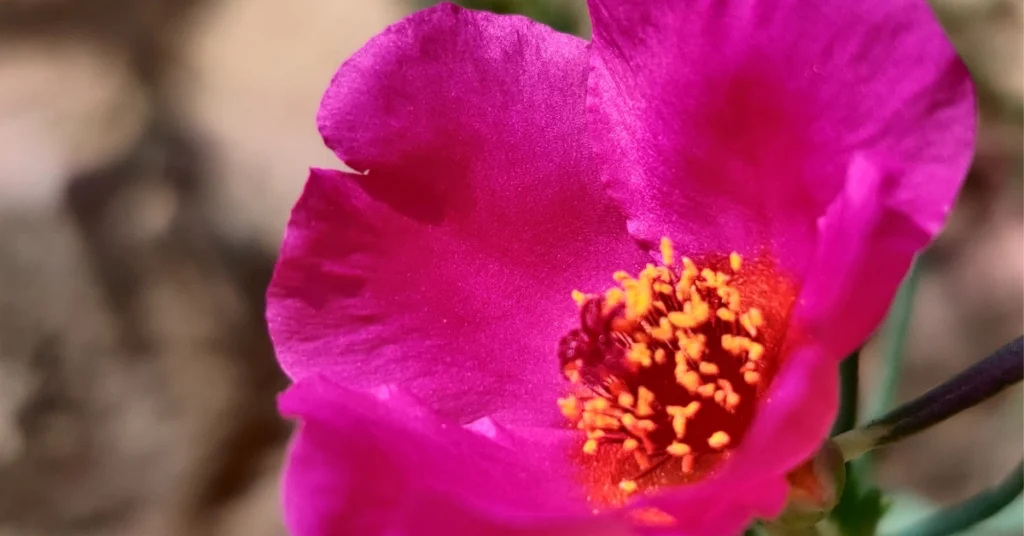
Known as “nau baje ka phool” because the flowers traditionally open around 9 am and close by afternoon, portulaca is a succulent-leaved ground cover that genuinely loves brutal heat and barely needs watering once established.
Where it thrives: Best suited for North and Central India’s dry summer heat. In high-humidity coastal areas it’s prone to stem rot, so keep it in raised pots rather than ground beds there.
Soil and pot prep: Sandy, fast-draining soil is essential — this is a desert-adapted plant. Use shallow, wide pots or hanging baskets rather than deep ones since the root system is shallow.
Watering: Minimal. Water deeply once, then let the soil go completely dry before watering again — typically every 4-5 days in summer. This is one flower where Indian gardeners’ instinct to “water more in heat” actively backfires.
Common problem: Leggy, sparse growth from too much shade. Portulaca needs a minimum of 6 hours of direct, harsh sunlight to flower well — partial shade gives you a green plant with almost no blooms.
4. Cosmos
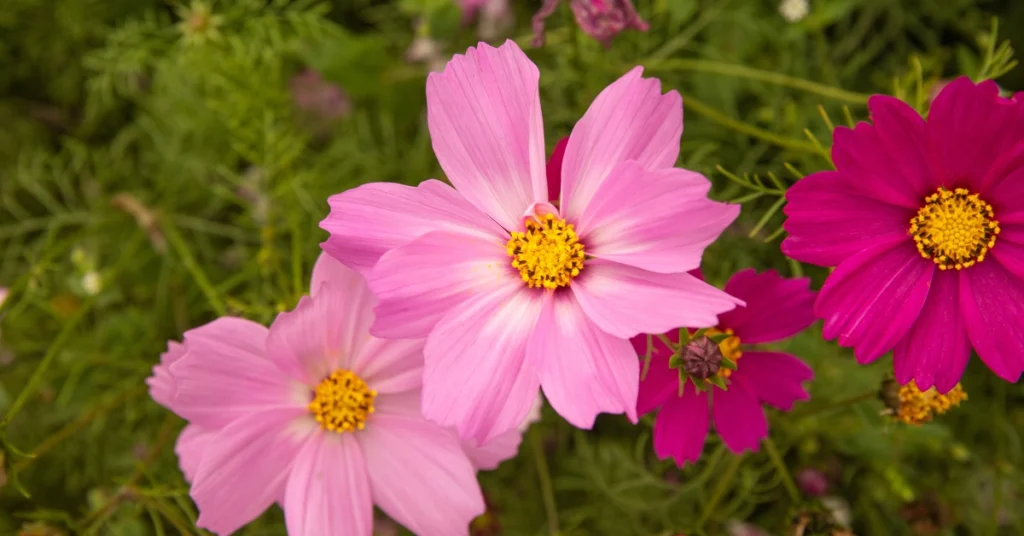
Cosmos isn’t talked about enough in Indian gardening content, which is odd because it’s one of the easiest summer-into-monsoon flowers for taller borders and background planting, and it self-seeds reliably for next season.
Where it thrives: North and Central India primarily. In very humid coastal zones, stems tend to flop without staking.
Soil and pot prep: Average soil is fine — don’t over-fertilise, as it causes excessive leaf growth at the expense of flowers. A large pot (12+ inches) or ground bed with good drainage works best since the plant grows 2-3 feet tall.
Watering: Every 2 days for pots, deeper but less frequent watering for ground plants once roots establish at 3-4 weeks.
Common problem: Stems bending or snapping in strong summer winds, especially on terraces. Stake plants early with a thin bamboo stick rather than waiting until they’re already leaning.
5. Zinnia
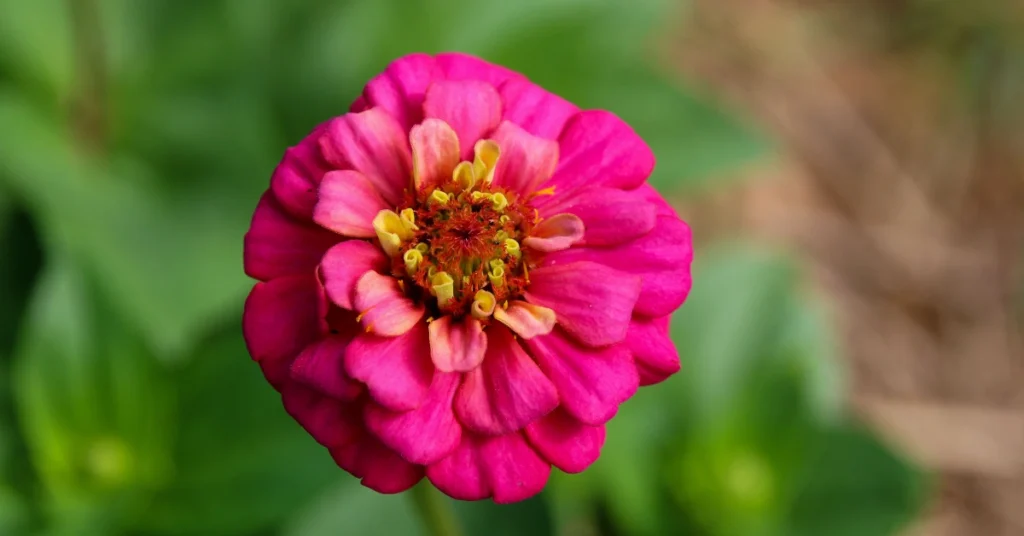
Zinnia is the flower I recommend most often to readers asking for “colourful, low-maintenance” summer options, because the colour range (deep magenta to orange to pure white) is wide and it tolerates erratic watering schedules better than most.
Where it thrives: Pan-India, though it’s particularly reliable in Maharashtra, Gujarat, and the Deccan plateau region’s dry summer conditions.
Soil and pot prep: Needs decent drainage but isn’t fussy about fertility. Adding vermicompost at planting improves bloom size noticeably.
Watering: Every 1-2 days for pots in peak summer. Always water at the base, never overhead — wet petals and leaves in high heat invite fungal spotting.
Common problem: Powdery mildew and leaf spot, especially when air circulation is poor (common on crowded balconies). Space plants at least 8-10 inches apart, and remove any spotted leaves immediately rather than letting them spread.
6. Gomphrena / Globe Amaranth
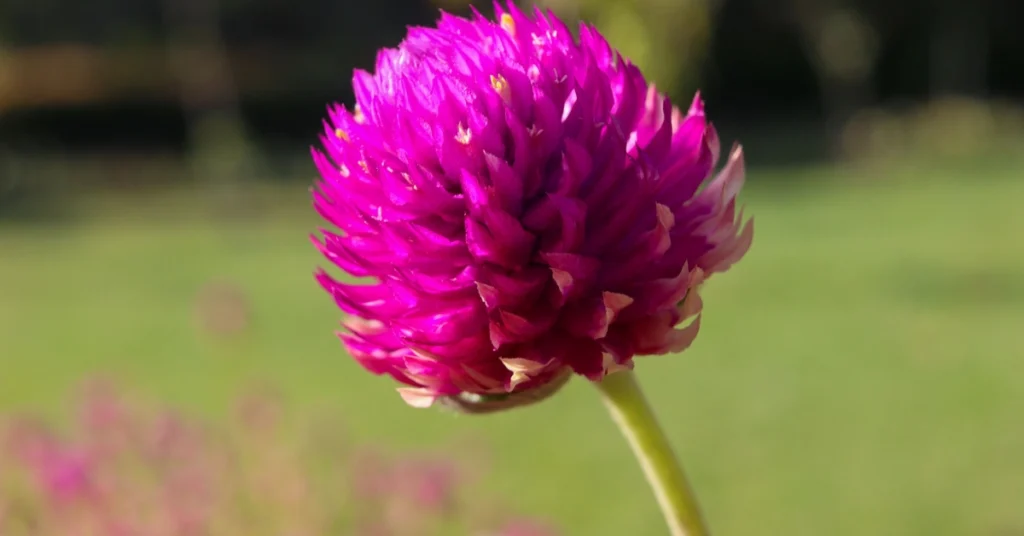
This one deserves far more attention than it gets in Indian home gardens. The papery, ball-shaped flowers in purple, white, and pink hold their colour even when dried, and the plant shrugs off heat that would finish off more delicate annuals.
Where it thrives: Genuinely excellent across all Indian climate zones, including humid coastal regions where many other summer flowers struggle.
Soil and pot prep: Tolerant of average soil; doesn’t need heavy feeding. A 10-inch pot per plant is sufficient.
Watering: Drought-tolerant once established — every 2-3 days is enough, even in peak summer.
Common problem: Almost trouble-free, which is exactly why I recommend it to readers who’ve struggled with everything else. The rare issue is aphids on new growth; a strong jet of water in the morning dislodges them without needing any spray.
7. Hibiscus / Gudhal
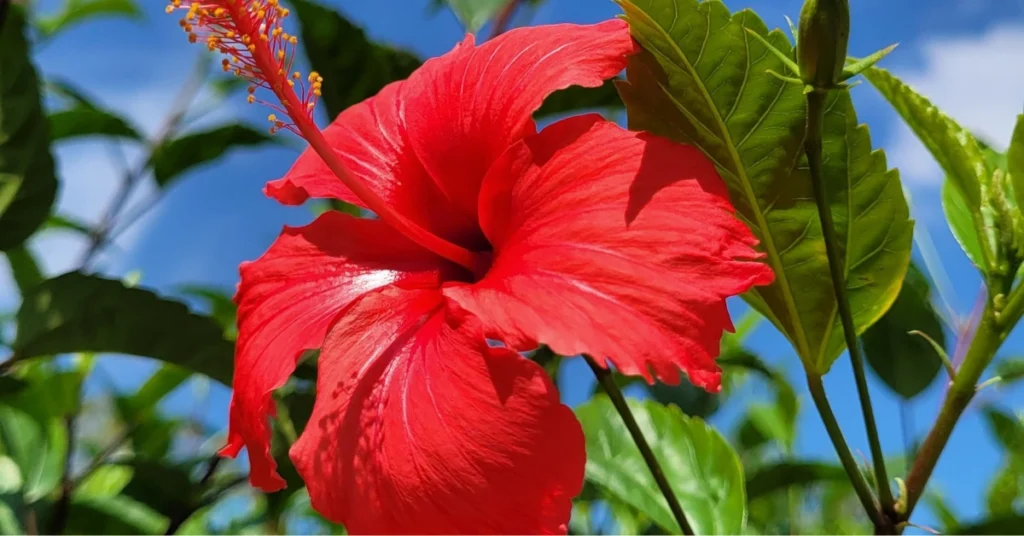
Hibiscus is the backbone shrub of Indian summer gardens, and for good reason — it flowers almost year-round in warmer states and tolerates the kind of heat that would stress most flowering shrubs.
Where it thrives: Best in South and West India where winters are mild. In North India, it survives but needs winter protection from frost.
Soil and pot prep: Needs a fairly large pot (14+ inches) or ground planting, with rich, well-draining soil. Mix in well-rotted manure generously since hibiscus is a heavy feeder for continuous blooming.
Watering: Daily in summer for potted hibiscus — it’s thirstier than most flowers on this list and wilts visibly within hours if missed.
Common problem: Bud drops before flowers open, usually from inconsistent watering or sudden temperature swings. Keeping watering consistent (same time, similar quantity) solves this more often than any fertiliser change does.
Pest note specific to India: Mealybugs love hibiscus in our climate. Check the undersides of leaves and stem joints weekly; wipe them off with a cotton swab dipped in diluted neem oil at the first sign rather than waiting for a full infestation.
8. Ixora / Rangan
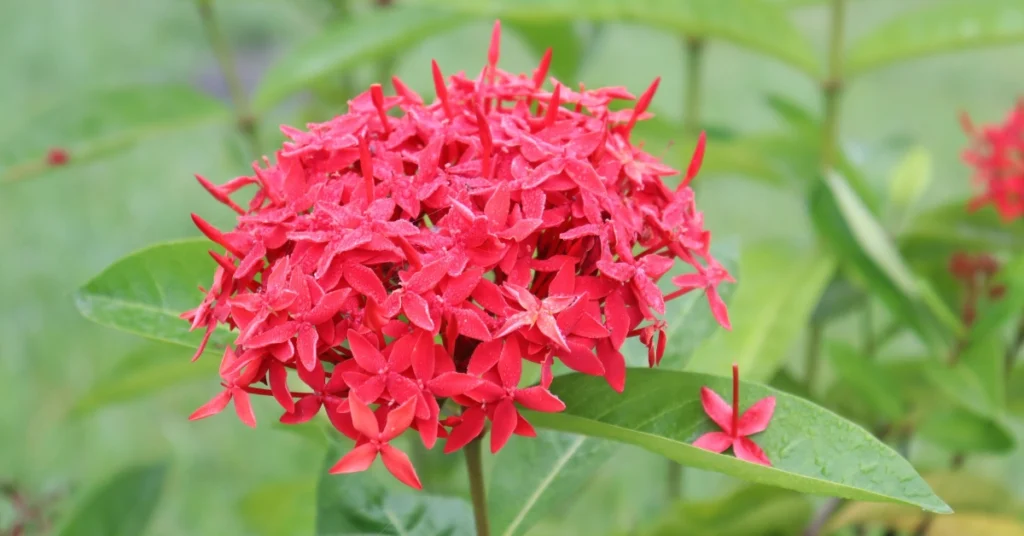
Ixora is the compact flowering shrub you’ll see in nearly every South Indian temple garden, and it’s earned that ubiquity by flowering reliably through brutal heat in tight clusters of red, orange, or yellow.
Where it thrives: South India primarily; does well in North India too but growth is slower in cooler months.
Soil and pot prep: Prefers slightly acidic soil. If your tap water is hard (common in North India), mix in a handful of used tea leaves or coffee grounds occasionally to balance soil pH.
Watering: Every 2 days for established plants; new plantings need daily watering for the first month.
Common problem: Yellowing leaves from iron deficiency, common when soil pH drifts too alkaline from hard water. A diluted dose of chelated iron solution (available at any nursery) corrects this within 2-3 weeks.
9. Bougainvillea / Kagaz Phool
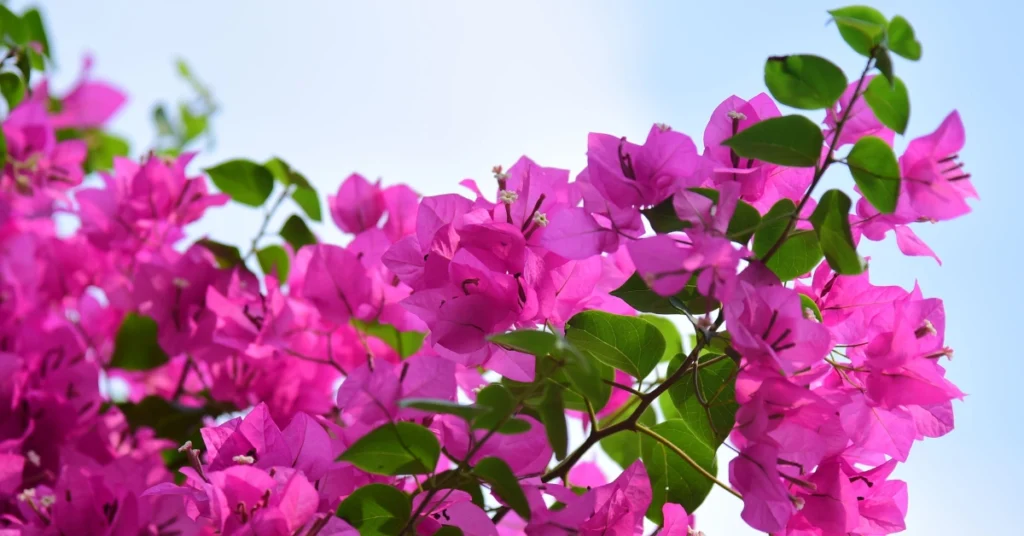
Technically a vine/shrub rather than a single flower, but bougainvillea earns its spot because it’s possibly the single most heat-tolerant flowering plant you can grow on an Indian terrace or boundary wall, and the papery bracts come in colours from deep purple to white.
Where it thrives: Pan-India, particularly spectacular in dry-heat regions like Rajasthan, Gujarat, and the Deccan.
Soil and pot prep: Counter-intuitively, bougainvillea flowers best when slightly root-bound and under mild stress — don’t overpot or overfeed.
Watering: This is the most misunderstood plant on this list. Underwatering, not overwatering, triggers flowering. Water only when the soil is fully dry, and reduce watering further once you see buds forming. Constant generous watering gives you a lush green plant with very few flowers.
Common problem: “All leaves, no flowers” — almost always from overwatering and overfeeding with nitrogen-heavy fertiliser. Switch to a phosphorus-heavy fertiliser (like bone meal) and cut watering frequency by half.
10. Celosia / Cockscomb (Murga Phool)
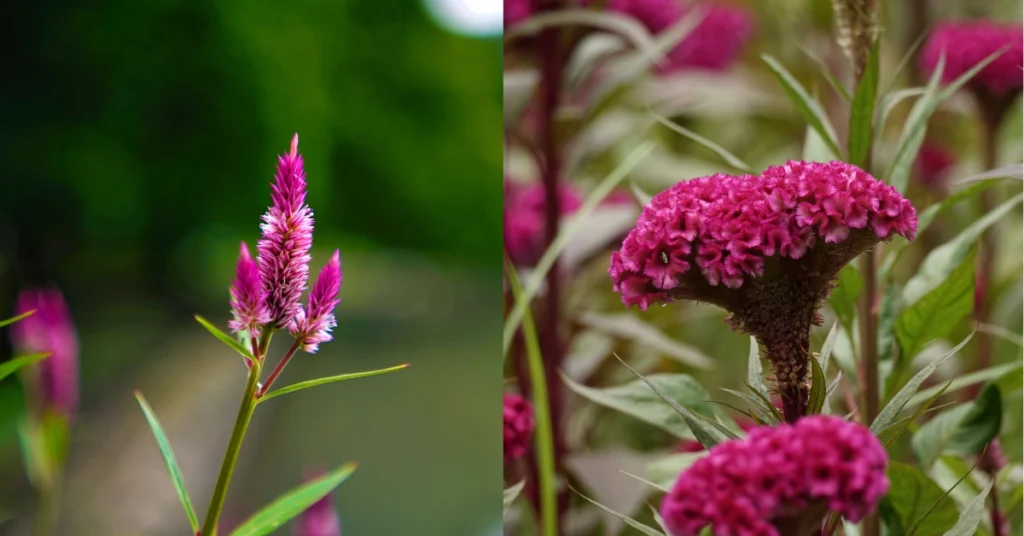
Celosia’s velvety, flame-shaped or plume-like blooms in deep red, orange, and pink hold up remarkably well in heat and make for one of the longest-lasting cut flowers from a home garden — useful if you also want flowers for puja or home decoration.
Where it thrives: Best in North and Central India’s dry summer; needs good air circulation in humid coastal zones to avoid fungal stem issues.
Soil and pot prep: Rich, well-draining soil with compost mixed in. A 10-12 inch pot works for a single plant.
Watering: Every 1-2 days in peak summer — celosia has a relatively shallow root system and dries out faster than deeper-rooted plants like hibiscus.
Common problem: Stunted growth from being planted too late in the season. Celosia needs to be started by early March in most of India to establish properly before peak May-June heat; planting in May often results in weak, undersized plants.
When Things Still Go Wrong: A Quick Troubleshooting Guide
Even with the right plant choices, Indian summers throw curveballs. Here’s what I tell readers who write in with specific problems:
Leaves curling inward during the day, uncurling at night: This is usually a heat-stress survival response, not disease. As long as it recovers by evening, no action is needed beyond ensuring adequate watering.
White cottony patches on stems or leaf joints: Mealybugs. Isolate the affected plant if possible, and treat with neem oil spray every 5 days for two weeks.
Sudden wilting despite regular watering: Check the pot drainage holes first — in many Indian nurseries, pots come with inadequate or blocked drainage, leading to root rot that looks like underwatering from the surface.
Flowers blooming but fading within a day: Common with intense afternoon sun exposure on delicate-petaled flowers. Consider 30-40% shade netting during the worst heat months (May-June in most regions) rather than full sun exposure all day.
A Final Thought from Experience
None of these ten flowers need imported seeds, expensive fertilisers, or constant attention — but they do need you to match the plant to your actual local conditions rather than copying a generic list.
A balcony in Mumbai facing the sea breeze behaves nothing like a terrace in Jaipur facing direct dry heat, and the difference shows up most clearly in how often you need to water and how much direct sun you can safely give.
Start with two or three from this list based on your region rather than trying all ten at once. Once you understand how your specific microclimate — your building’s shade pattern, your water quality, your exposure direction — affects these plants, scaling up becomes far easier and far less heartbreaking than what happened to my petunias that one Delhi summer.