Every April, the same panic hits balcony gardens — wilting tulsi, scorched chillies, overnight losses. After years of trial and error across Pune, Hyderabad, and Delhi summers, here are the five real fixes — on watering, sun, soil, plant choice, and containers — that actually keep a balcony garden alive through peak heat.
By the third week of April, every summer balcony gardening group I’m part of turns into the same panic thread. “My tulsi is wilting even with daily watering.” “Lost my entire chilli plant overnight.” “Is it normal for leaves to just curl up and stay like that?” Every year, like clockwork, the same questions, the same plants, the same confusion.
I’ve lost more plants in May than in any other month, across every single summer I’ve gardened on a balcony — first in Pune, then a stretch in Hyderabad, and now in Delhi where the heat doesn’t just test your plants, it tests your patience.
So when people ask me why their balcony garden is “dying,” I don’t reach for a generic answer like “it’s just too hot.” Because it isn’t, really.
Plenty of balconies in this same heat are doing fine. The difference almost never comes down to the temperature outside.
It comes down to five specific things people get wrong, and once you fix those five, summer stops being the season your garden dies and starts being the season it just slows down a little.
Let’s go through what’s actually harming your plants, and more importantly, what fixes it.
The Real Problem Isn’t the Heat — It’s What the Heat Exposes
Indian summer heat is intense, no argument there. But heat alone doesn’t usually kill a plant outright. What kills it is everything the heat exposes that was already a weak point in your setup — a pot that was always too small, a watering routine that worked fine in February but falls apart in May, soil that was never built to hold moisture in the first place.
I learned this the hard way with a curry leaf plant I’d had for almost two years. It survived two mild summers without any trouble. Third summer, in a hotter, more exposed balcony, it scorched within ten days.
Same plant, same gardener — different setup, different result. The heat didn’t change anything about how I cared for it. What changed was the conditions around it, and those conditions are exactly what you can control.
So instead of treating summer as something to “survive,” treat it as a stress test that reveals the gaps in your setup. Here’s where most of those gaps are, and how I’ve closed them on my own balconies over the years.
Fix #1: Stop Watering on a Schedule — Start Watering by Weight and Touch
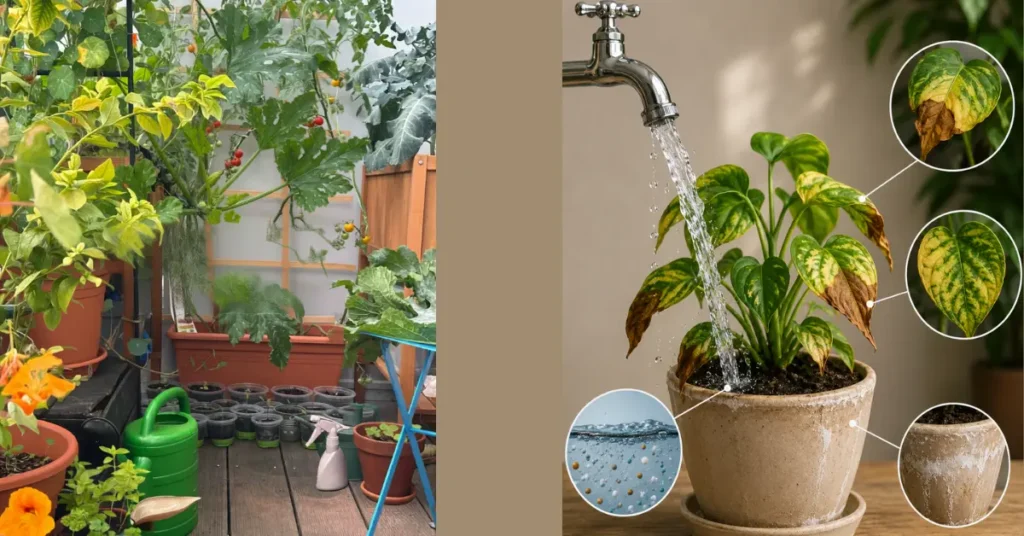
This is, without question, the single biggest mistake I see in Indian balcony gardens during summer. People water once a day, religiously, at 7 AM, because that’s what worked in winter.
Then they’re confused when their plant still wilts by 2 PM, or worse, develops root rot from overwatering because they “added extra just in case.”
Watering in the Indian summer isn’t a once-a-day task. It’s a twice-a-day, sometimes condition-dependent task, and the amount matters far more than the frequency.
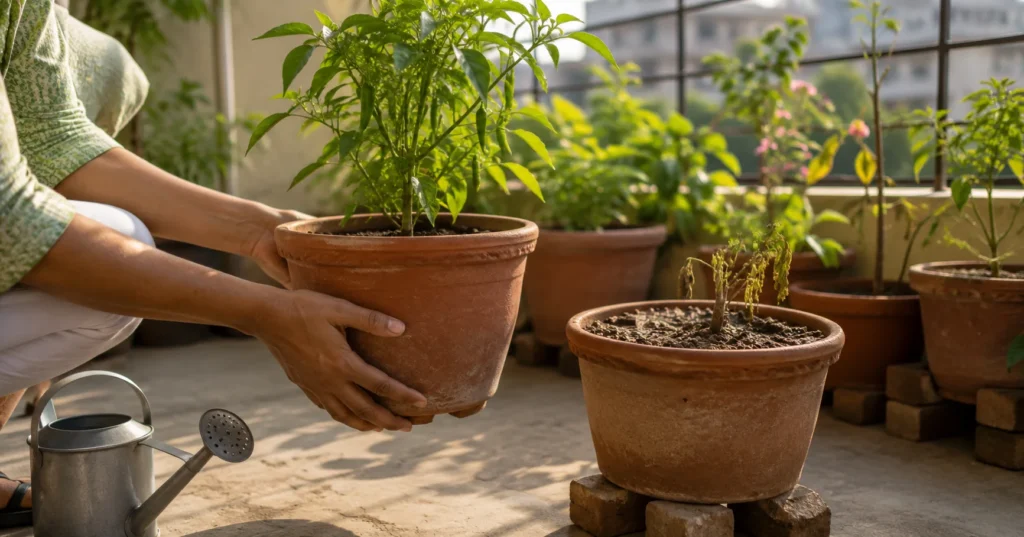
The fix that actually works: Lift the pot. Seriously — that’s the test. A pot that’s properly moist feels noticeably heavier than one that’s dried out. Within two weeks of doing this regularly, you’ll know your plants’ weight by feel and won’t even need to check the soil.
For terracotta pots specifically — which I genuinely prefer over plastic for everything except the most heat-sensitive plants — water until it runs out of the drainage hole, wait fifteen minutes, then water again lightly.
Terracotta’s porous walls pull moisture out fast in 40°C+ heat, so a single watering often doesn’t penetrate the full root ball; it just wets the top two inches and evaporates.
For plastic and ceramic pots, which retain water longer, the bigger risk in summer is actually overwatering combined with poor drainage — roots sitting in warm, wet soil basically cook from the inside.
If you’re using plastic pots in summer, check that drainage holes haven’t gotten clogged with compacted soil or roots; this happens constantly and goes unnoticed until the plant is already stressed.
Timing matters more than most people think. Water between 6-7:30 AM, before the sun is directly overhead, and again in the evening after 6:30 PM if the soil has dried out by then. Never water in the afternoon heat — water hitting hot soil and hot roots almost flash-evaporates, and worse, can scald shallow roots in dark-coloured pots that have absorbed heat all day.
One more thing nobody tells beginners: terracotta and dark plastic pots placed directly on a hot concrete floor or railing absorb radiant heat through the base, which cooks roots from below even when you’re watering correctly from above.
Elevate pots on bricks, wooden pallets, or pot feet — even a 2-inch gap from the hot surface drops root zone temperature noticeably.
Fix #2: Your Plant Isn’t Dying From Heat — It’s Dying From the Wrong Sun Exposure
A west-facing balcony in Indian summer is one of the harshest growing environments you can put a plant through — direct, intense afternoon sun from roughly 1 PM to 5 PM, exactly the hours when temperatures peak.
East-facing balconies, by comparison, get gentler morning sun and are in shade by the time the real heat hits. Same city, same season, completely different growing conditions.
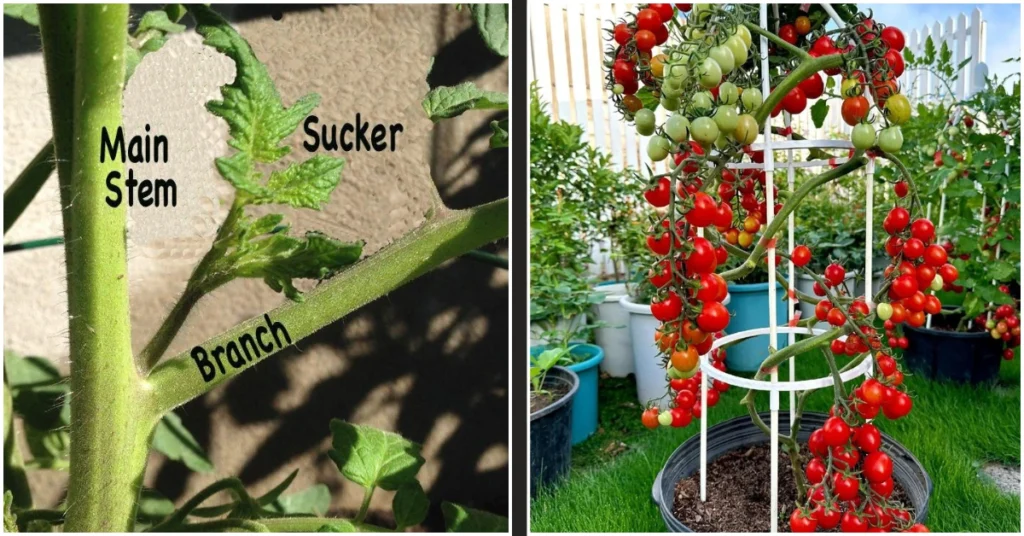
I made this mistake in my first year of balcony gardening in Hyderabad. I had tomatoes thriving on what I assumed was a “great sunny spot” — until I realised it was west-facing, and by June, the same spot that grew beautiful tomatoes in February was scorching leaves within a week.
The fix: Know your balcony’s actual sun direction, not just “it gets a lot of sun.” If you’re west or south-facing in North or Central India, you need active shade management during peak summer, not just a sunny spot and hope.
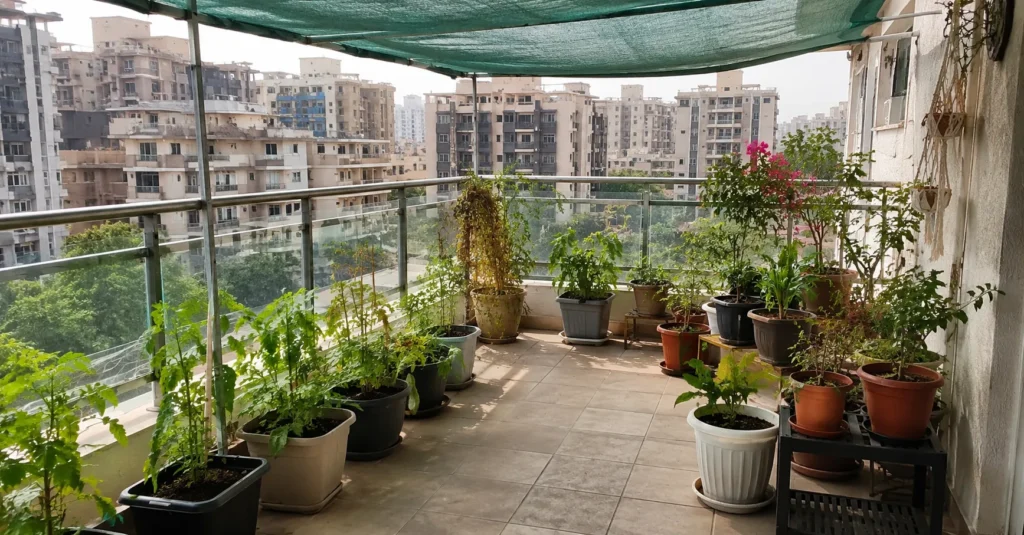
I use a 40-50% shade net stretched on a simple frame, taken down completely once October arrives. This isn’t about blocking sun entirely — most fruiting and flowering plants still need 4-6 hours of light — it’s about cutting the most intense, soil-baking hours of 1-4 PM.
For plants you can move, simply relocating pots to a shadier corner of the balcony from April through June, then moving them back into fuller sun once temperatures drop, solves this without any extra equipment.
I do this every year with my chilli and bhindi pots — they shift about three feet to a shadier section of the balcony railing for ten weeks and shift back once the worst heat passes.
If your balcony has zero shade option at all — fully exposed, no overhang, no shade net possible due to building rules — switch your plant selection for that spot to genuinely heat-tolerant varieties (more on this in Fix #4) rather than fighting the sun with a delicate plant that was never going to handle it.
Fix #3: Your Potting Mix Is Working Against You, Not For You
Most ready-made potting mixes sold in Indian nurseries are built for general use, not for retaining moisture through 42°C afternoons. If your soil dries out completely within four to six hours of watering, that’s not a watering problem — that’s a soil structure problem, and no amount of extra watering fixes it long-term. It just wastes water and stresses roots through repeated wet-dry cycles.
The fix that’s made the biggest difference for me: Rework your potting mix composition specifically for summer, rather than using the same mix year-round.
My summer mix ratio, after years of adjusting: 40% regular potting soil, 30% cocopeat (not coir chips — fine cocopeat, which holds moisture significantly better), 20% compost, and 10% perlite or coarse sand for drainage so you’re not creating waterlogged conditions in the name of moisture retention.
Cocopeat is the real game-changer here. It holds up to eight times its weight in water and releases it gradually, which means the soil stays evenly moist for longer between waterings instead of swinging between soaked and bone-dry.
If you’re not already using cocopeat in your summer mix, this single change will likely do more for your plants than any other fix on this list.
A 1-2 inch layer of mulch on top of the soil — dry leaves, coconut husk, or even simple dry grass clippings — cuts surface evaporation dramatically.
I’ve measured the difference informally just by checking soil moisture at the same time each day: mulched pots stay visibly moist a full day longer than unmulched ones in the same heat.
If you’re repotting or refreshing soil specifically for summer, do it in March before peak heat arrives, not mid-May when the plant is already stressed. Repotting during active heat stress shocks the roots further; March transitions are far gentler.
Fix #4: You’re Trying to Grow the Wrong Plants for This Season
This is the fix people resist the most, because it feels like giving up rather than solving the problem. But the truth is, some plants simply aren’t built for an Indian balcony in May and June, no matter how perfectly you water, shade, or mulch them. Continuing to fight for a plant that’s fundamentally mismatched to the season isn’t dedication — it’s wasted effort that could go toward plants actually suited to this window.
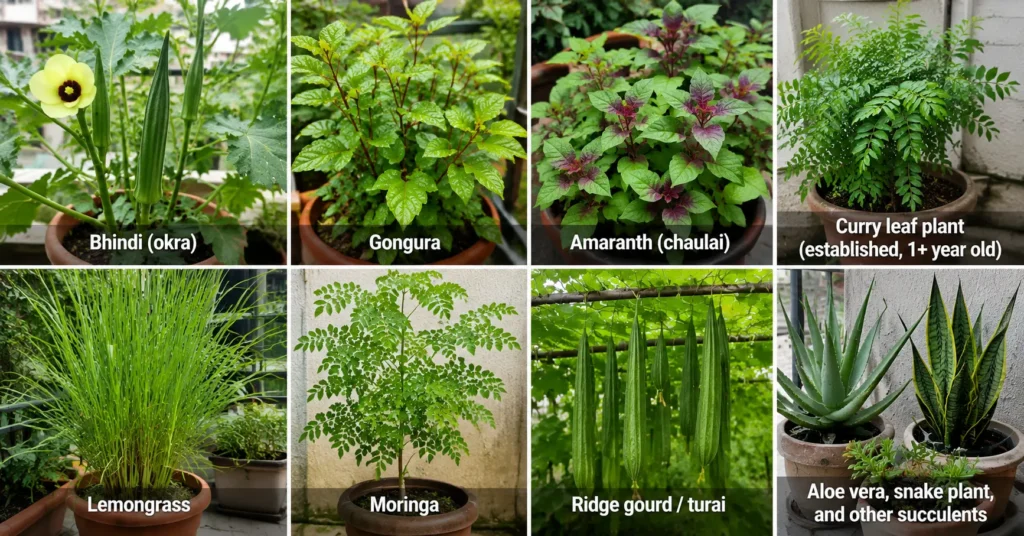
Plants I’ve had genuinely good results with through Indian summer, balcony-grown:
- Bhindi (okra) — thrives in heat, actually struggles more in cool weather than hot
- Gongura — practically heat-proof, barely needs babying through summer
- Amaranth (chaulai) — fast-growing, heat-tolerant leafy green that fills gaps well
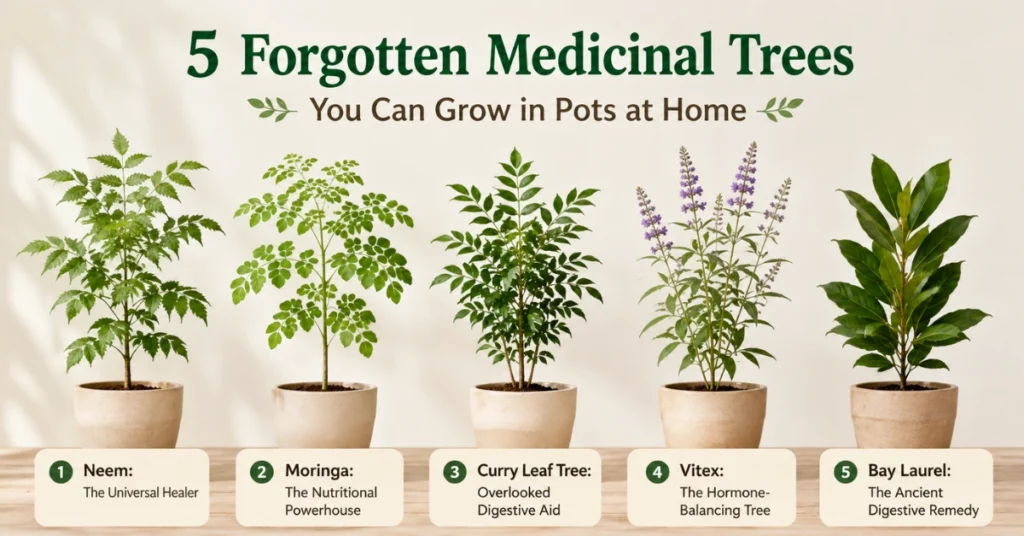
- Curry leaf plant (established, 1+ year old) — handles heat fine once roots are developed; it’s young curry leaf plants that struggle
- Lemongrass — genuinely thrives in heat and needs minimal fussing
- Moringa — once past the seedling stage, this is one of the most heat-resilient plants you can grow on an Indian balcony
- Ridge gourd / turai — vines well, tolerates heat better than most gourds
- Aloe vera, snake plant, and other succulents — obvious heat survivors, worth leaning on for the toughest spots
If you’re rethinking your container vegetable lineup altogether rather than just swapping a plant or two, I’ve put together a full breakdown of the vegetables that have actually given me the highest yield in small terrace and balcony spaces — worth a look before you decide what goes into your summer pots.
Plants I’ve learned to either move indoors, give intensive shade, or simply skip until autumn:
- Tomatoes (especially flowering/fruiting stage — flowers drop above 35°C consistently)
- Most leafy greens like spinach and lettuce, which bolt or wilt fast in extreme heat
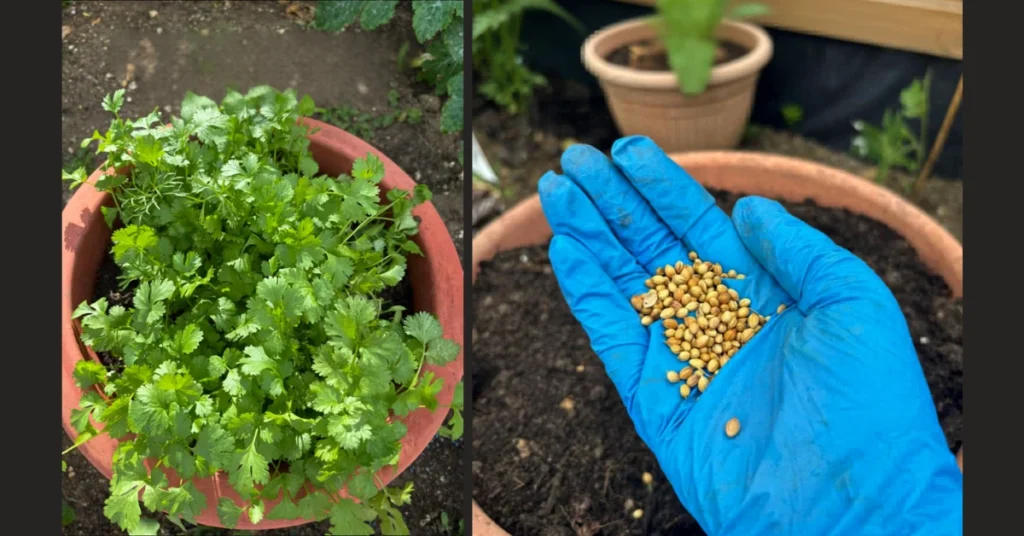
- Coriander, which goes to seed almost immediately past 30°C
- Most flowering ornamentals that aren’t specifically bred for heat (petunias, most annuals)
If your summer balcony garden has been a string of failures, check honestly whether you’ve been trying to grow a winter-suited plant through peak summer out of habit, rather than switching your seasonal lineup.
I switch roughly 40% of my balcony plant selection between what I grow October-February versus April-June, and that single adjustment has done more for my “success rate” than any individual care technique.
Fix #5: You’re Ignoring the Container Itself as a Heat Problem
Pot material, colour, and size all directly affect root zone temperature, and this gets overlooked constantly. A small, dark-coloured plastic pot in direct sun can have soil temperatures inside it that are genuinely dangerous for root health — well above what the air temperature outside suggests.
The fix: Switch dark plastic pots to lighter colours, or wrap dark pots in reflective material (even simple aluminium foil works as an emergency fix) during the worst heat months. Light colours reflect rather than absorb radiant heat, keeping root zone temperatures meaningfully lower.
Size matters just as much. Small pots — anything under 8 inches in diameter — heat up fast and dry out even faster, simply because there’s less soil mass to buffer temperature and moisture swings.
If you’ve been struggling to keep a plant alive in a small pot through summer, the actual fix might be as simple as upgrading to a larger container with more soil volume, rather than watering more frequently to compensate for a pot that’s fundamentally too small for the season.
Terracotta, despite drying out faster (as covered in Fix #1), still tends to keep root zones cooler than dark plastic because of how it handles heat versus how it handles evaporation — it’s a trade-off between two different problems, not a simple “one material is better” situation. My personal approach: terracotta for plants that can tolerate slightly more frequent watering, light-coloured or wrapped containers for anything where I can’t water twice daily.
A Realistic Summer Garden Care Routine
| Task | When I Do It | Why It Matters |
|---|---|---|
| Morning watering | 6–7 AM daily, checked by weight/touch — not a fixed schedule | Soil dries unevenly in summer; touch tells you more than the clock does |
| Shade net up | Early April | Cuts the worst of the 1–4 PM sun before plants start showing stress |
| Shade net removed | Late September, once temperatures start dropping | No point shading plants once the harsh sun has already passed |
| Potting mix reworked with extra cocopeat | Mid-to-late March, before peak heat sets in | Fixing the soil before stress hits works far better than reacting after wilting starts |
| Heat-sensitive plants relocated or skipped | Tomatoes moved to the most protected corner, or skipped entirely for the season | Some plants just aren’t worth fighting for in May and June — bhindi, amaranth, and gongura fill the gap instead |
| Pots checked for drainage clogs | Once every couple of weeks through summer | A blocked drainage hole turns a heat problem into a root rot problem fast |
| Pots elevated off the floor/railing | Done once, early April, and left through summer | Even a 2-inch gap stops radiant heat from cooking roots from below |
None of this is complicated or expensive. It’s a handful of specific adjustments, made before the heat peaks rather than reactively once a plant is already wilting.
Why Some Plant Losses Are Unavoidable in Summer
Even with every fix applied correctly, you will likely lose something this summer. That’s normal, and it doesn’t mean you’ve failed as a gardener.
I still lose a plant or two most summers, usually something I pushed slightly outside its comfort zone because I wanted to keep growing it anyway.
The goal of these five fixes isn’t a zero-loss summer — it’s shifting your balcony garden from “mostly dies, mostly starts over in October” to “mostly survives, with the occasional expected loss,” which is a completely different, far less frustrating experience.
The gardeners I know with the most resilient balcony setups aren’t the ones with the most expensive equipment or the most exotic plants.
They’re the ones who adjusted their watering, their shade, their soil, their plant choices, and their containers specifically for the season they’re in, rather than running the same setup year-round and hoping the plants adapt on their own.
Final Thought
None of these five fixes are dramatic. No special equipment, no expensive gadgets, nothing you can’t sort out in an afternoon. What they actually require is paying attention to your balcony as its own microclimate, not a smaller version of someone else’s garden advice written for a different climate entirely.
Every summer I’ve gardened, the difference between a balcony that limps through May and one that keeps producing has come down to these same five things — watering by feel, managing sun exposure honestly, fixing the soil before it’s stressed, choosing the right plants for the season, and respecting what the container itself is doing to root temperature.
Apply even three of these properly this year, and you’ll likely notice the difference before the worst of summer even arrives.