It’s easier than you’d think to grow edible flowers on an apartment balcony, but growing them safely enough to eat takes real care. After several summers and monsoons trialling varieties in containers, here’s exactly what thrives, what flops, and the safety checks every balcony grower should know before eating a single petal.
It is easier than you might think to grow edible flowers on an apartment balcony, but to grow them safely enough to eat takes a little more care.
I have grown a variety of edible flowers in containers during summers and monsoons over the past few years, and I share what grows reliably and which varieties aren’t worth the effort.
This guide covers five edible flowers that grow well in containers, how to grow them organically, and the basic safety practices you should follow before adding any flower to your food.
If you are looking to mix these bright blooms with tough culinary greens that can handle intense weather, check out my real-world test on which herbs survive summer on an Indian balcony.
Why Edible Flowers Aren’t Always Safe to Grow on a Balcony
Before getting to the five flowers, I want to flag something most gardening blogs skip entirely: a flower being botanically edible doesn’t make it safe to eat off your balcony. Three things change that equation when you’re growing in an apartment.
Pollution drift. In cities such as Delhi, Bengaluru, and Mumbai, especially during rush hours, a fine film of vehicular soot and dust settles on all leaf and petal surfaces on balconies facing main roads.
I had to learn this the hard way, when the marigolds I grew on my road-facing balcony tasted slightly metallic — not toxic, just unpleasant, and a caution against growing exposed flowers as miniature pollution filters. If your balcony looks directly over a road, place edible flower pots on the wall side or innermost corner, not the railing edge.
Pesticide contamination from neighbours. It is fogging mosquito repellent or spraying terrace plants with synthetic pesticide in most apartment complexes, and overspray drifts. I now plant my edible varieties a little lower than my ornamental, non-edible plants, and I do not harvest anything for 24 hours after I see a building-wide pest control spray (housing societies usually post a notice — read it).
Mistaken identity. Many of the ornamental plants sold at nurseries are toxic look-alikes, including oleander (kaner) that is sometimes confused with hibiscus by beginners, and ornamental lilies that are sometimes confused with edible daylilies.
Purchase from a nursery that can confirm the botanical name (not just the common Hindi or regional name) and cross-reference it yourself before consuming any new plant for the first time.
Now that is out of the way, here are the five flowers I would actually suggest beginning with, in the order I would plant them if I were starting over.
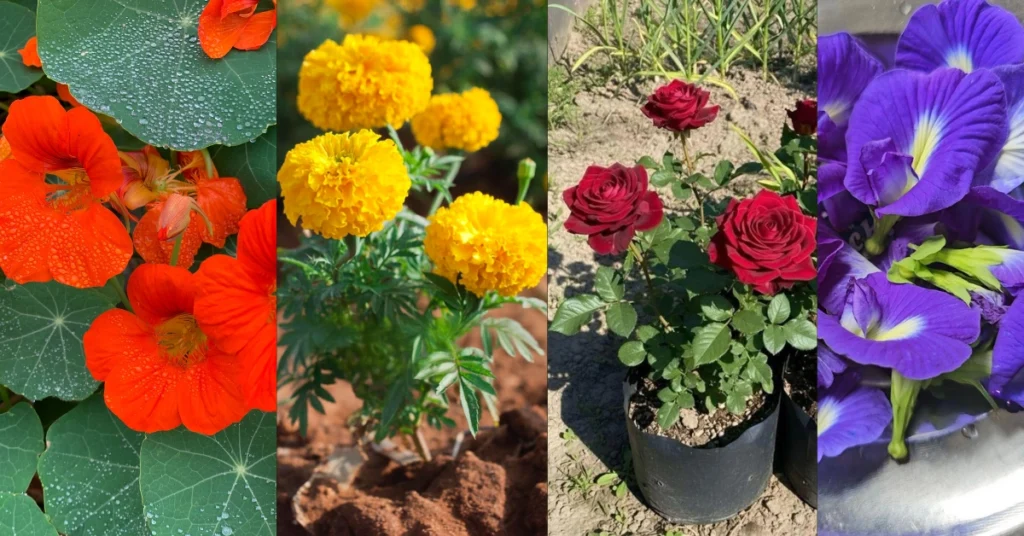
1. Nasturtium (Indian Cress) — The Beginner’s Gateway Flower
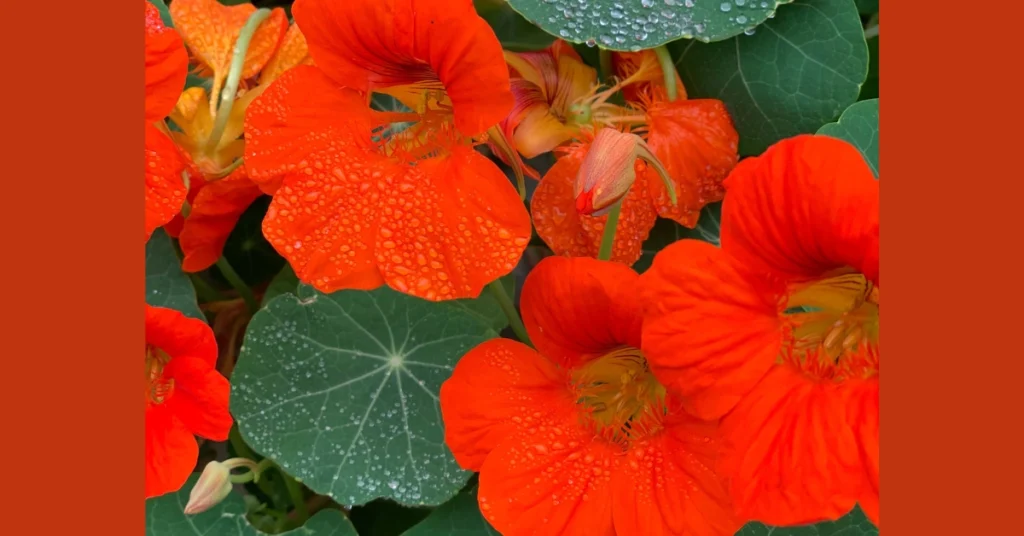
Nasturtium is, without exaggeration, the easiest edible flower I have ever grown, and it’s the one I recommend to every balcony-gardening friend who messages me in a panic about “killing everything.”
Growing conditions: Nasturtium actually performs better in poor, slightly underfed soil — rich, heavily composted soil makes it grow lush leaves but very few flowers. Use a basic mix of 60% garden soil, 30% coco peat, and 10% sand, skip the heavy vermicompost dose at planting, and you’ll get far more blooms. It wants at least 4-5 hours of direct sun; an east-facing balcony getting gentle morning sun works beautifully.
Sowing and timing: Direct-sow seeds (don’t bother with seed trays, nasturtium hates transplanting) in a wide, shallow container at least 8 inches deep. In North India, sow from October to February for the best results — it struggles badly in peak summer heat above 35°C and tends to bolt or die back. In Bengaluru’s milder climate, you can grow it almost year-round except during the hottest April-May stretch.
Watering: Let the top inch of soil dry between watering. Overwatering is the single biggest killer of balcony nasturtium — I lost an entire trailing batch to root rot because I was watering daily during a humid August.
Harvesting and eating: Pick flowers in the cool morning hours when they’re fully open, snap them at the base of the stem, and use within a day — they wilt fast. The flavour is distinctly peppery, almost like watercress, which makes it perfectly torn into salads, stirred into curd rice, or floated on top of a clear soup just before serving. The round leaves are edible too and just as peppery.
Common mistake: People plant it in a small 6-inch pot expecting it to behave like a compact plant. Nasturtium is a trailing/climbing plant by nature — give it a hanging basket or let it cascade over a railing planter, and it will reward you with three times the blooms.
2. Marigold (Genda) — Pick the Right Variety, Not Any Variety
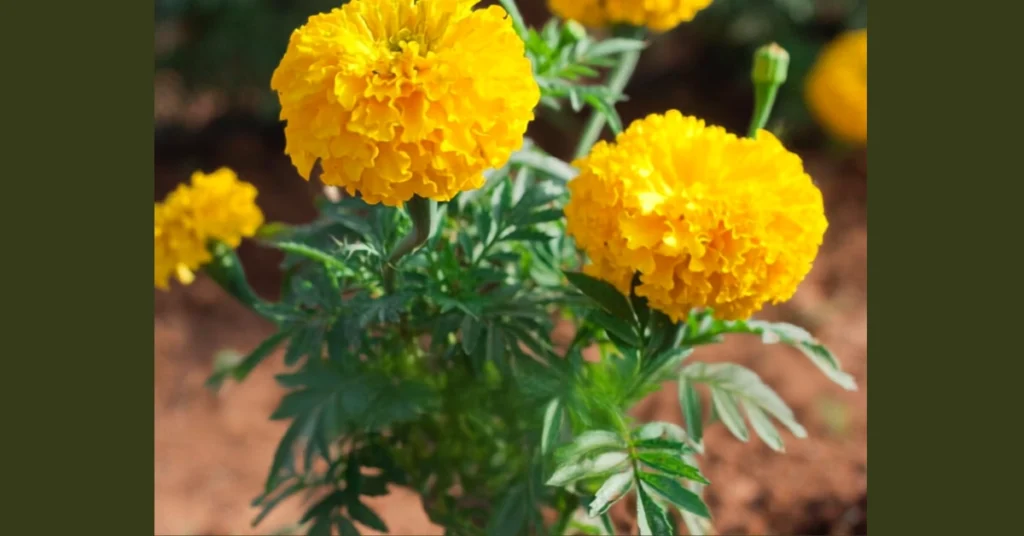
Here’s something almost no blog tells you clearly: not every marigold sold in Indian nurseries is meant for eating. The tall, ruffled “African marigold” (Tagetes erecta) commonly used for garlands and pooja decoration has a strong, almost medicinal bitterness that most people find unpleasant. What you actually want for the kitchen is the smaller-flowered French marigold (Tagetes patula) or “Signet marigold” (Tagetes tenuifolia), which has a milder, citrusy flavour.
Sourcing tip: When buying seeds or saplings, specifically ask for “French marigold” or “Signet marigold” — most local nurseries stock African marigold by default since it’s used for festivals and garlands. I now buy my seeds online specifically labelled Tagetes tenuifolia after wasting an entire season growing the wrong variety and wondering why it tasted awful.
Growing conditions: Marigold genuinely thrives in Indian heat, which makes it one of the most forgiving balcony flowers for summer growing. It wants full sun — minimum 6 hours — and well-draining soil. I use a mix heavier in sand and cocopeat (40% garden soil, 35% cocopeat, 25% sand) because marigold roots rot quickly in waterlogged soil, a real risk during monsoon months on balconies with poor drainage.
Monsoon care: This is the one season where marigold struggles on Indian balconies. Continuous rain plus humidity invites powdery mildew and root rot. I move my marigold pots under the balcony overhang during heavy monsoon weeks and reduce watering to almost nothing on rainy days — the rain itself is enough.
Harvesting: Pick the smaller petals (avoid the bitter white base where the petal attaches) and use them as a garnish on rice dishes, in salads, or steeped briefly in warm milk for a subtle saffron-like colour in desserts — they won’t replace saffron’s flavour, but they add genuine visual appeal and a mild flavour note.
Safety note: Always confirm the variety before eating. If in doubt, use marigold only as a visual garnish you remove before eating, rather than consuming it directly.
3. Hibiscus (Gudhal) — Slow to Establish, Generous Once Settled
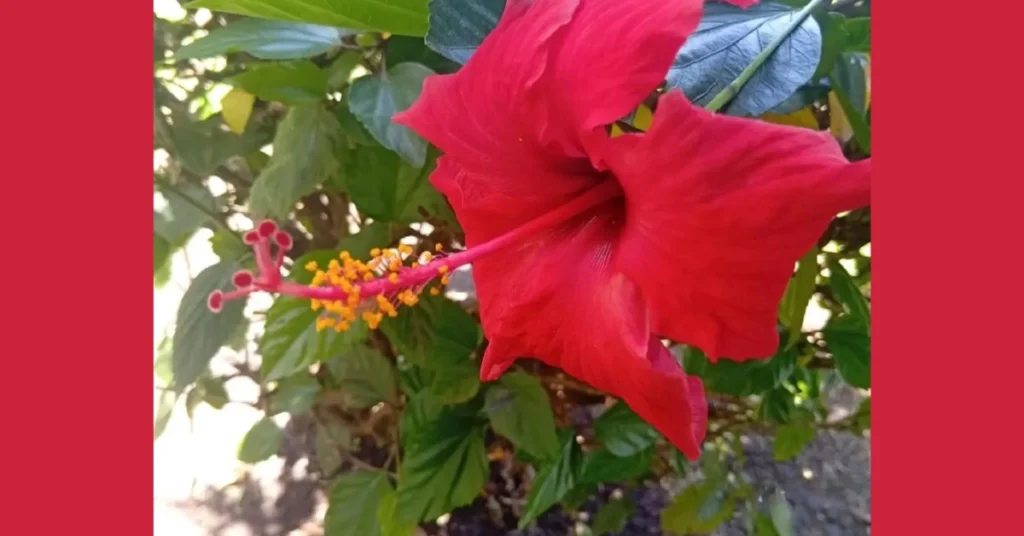
Hibiscus took me almost eight months from cutting to first real flush of usable flowers, and I’ll be honest, I nearly gave up on it twice. But once established, a single healthy hibiscus shrub in a large pot will give you flowers almost continuously for years, which makes the initial patience worth it.
Choosing the right plant: For eating and tea-making, you want the standard red Hibiscus rosa-sinensis or, better, Hibiscus sabdariffa (the roselle variety, locally sometimes called “lal ambari” in parts of India), whose calyx is specifically used for hibiscus tea and is far more tart and flavourful than the ornamental rosa-sinensis bloom.
Pot and soil: Hibiscus needs a genuinely large container — minimum 14-16 inches in diameter — because it’s a shrub, not an annual. I use a heavier mix here: 50% garden soil, 30% well-rotted cow dung manure or vermicompost, 20% sand, repotted every two years as the root ball expands.
Sunlight and placement: It wants strong, direct sun — 6+ hours minimum — and does genuinely well on hot, south or west-facing Indian balconies that other flowering plants struggle with. This makes it ideal if your balcony gets harsh afternoon sun that fries everything else.
Feeding routine: I feed mine a diluted neem cake and vermicompost mix once every three weeks during active growing months (roughly March to October) and cut feeding entirely during the two coldest North Indian winter months, when growth naturally slows.
Harvesting: For rosa-sinensis, pluck flowers the morning they open — they typically last only a single day. For sabdariffa, the part you actually harvest is the fleshy red calyx left behind after the flower drops, which you dry slightly and steep for tea. Don’t eat the stamen/pollen structure raw in large quantities; it’s the petals and calyx people use, not the reproductive parts.
4. Rose (Desi Gulab) — Skip the Florist Variety Entirely
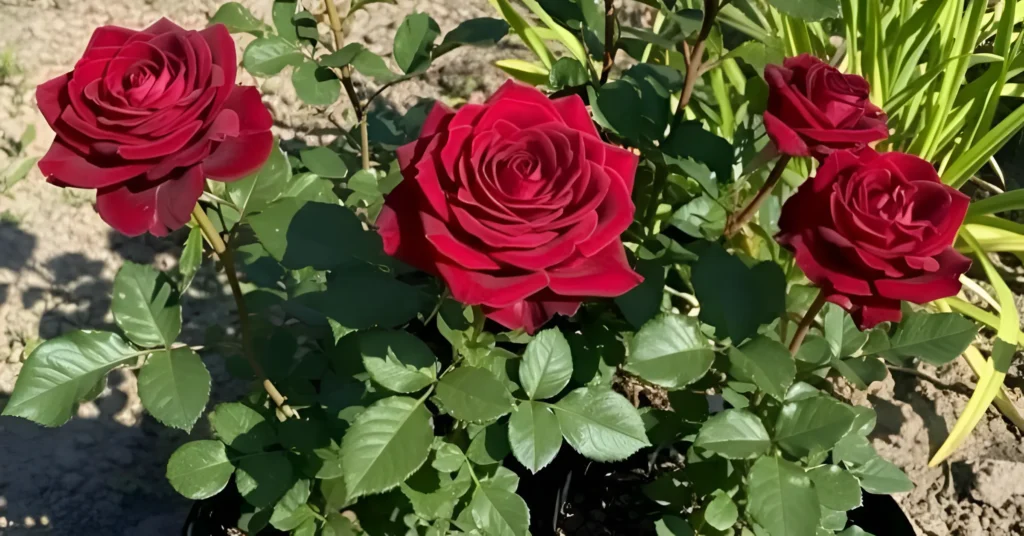
This is the flower where I see the most balcony growers make a dangerous mistake: buying showy florist roses from a flower market and eating those petals. Florist-cut roses are almost always heavily treated with systemic pesticides and preservative dips meant to extend vase life — they are absolutely not meant for consumption, no matter how fresh they look.
What you want instead is a fragrant desi gulab (often the Rosa damascena or Rosa centifolia types sold specifically as “gulkand rose” or “attar rose” at nurseries), which Indian households have traditionally grown for making gulkand and rose water at home.
Growing conditions: Roses are sun-lovers — 5-6 hours minimum — and need excellent drainage. On my balcony, I grow mine in a terracotta pot rather than plastic; terracotta breathes and prevents the waterlogged roots that plastic pots tend to cause in Indian humidity.
Soil and feeding: A rich mix of 40% garden soil, 30% cow dung compost, 20% cocopeat, and 10% sand, with a monthly top-dressing of crushed eggshell for calcium (a trick an elderly neighbour in my building taught me — it noticeably reduced bud drop on my plant).
Pruning matters more than people think: Roses grown without regular pruning put energy into leggy growth instead of flowers. I prune lightly every six weeks, cutting just above a set of five leaflets, and this single habit roughly doubled my flower count compared to my first unpruned year.
Harvesting: Pick fragrant petals early morning when essential oil concentration is highest, before the day’s heat causes evaporation. Use fresh for gulkand (layered with sugar and left to macerate in sunlight) or dried gently in shade for rose tea — never dry rose petals in direct harsh sun, as it destroys both colour and aroma.
5. Butterfly Pea (Aparajita) — The Low-Maintenance Climber Everyone Forgets
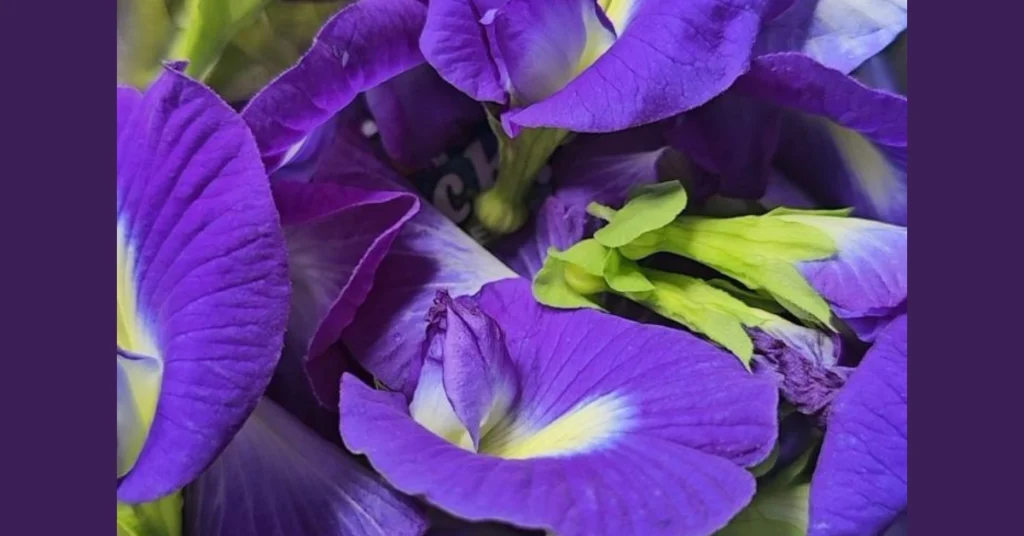
Butterfly pea (Clitoria ternatea) deserves far more attention from Indian apartment gardeners than it gets. It’s a vigorous climbing vine, genuinely low-maintenance, and produces strikingly deep-blue flowers famous for naturally colouring rice, tea, and drinks without any artificial dye.
Growing conditions: This plant is remarkably tolerant — it handles Indian heat, partial shade, and irregular watering far better than the other four flowers on this list, making it ideal if you’re a forgetful waterer. It needs something to climb, though — a trellis, a hanging string grid, or even your balcony grill works perfectly.
Soil: Undemanding — a standard 50% garden soil, 30% cocopeat, 20% sand mix is sufficient. It’s a legume, meaning it actually fixes nitrogen in the soil rather than depleting it, which is a nice bonus if you rotate other plants through the same container later.
Sowing: Soak seeds overnight before sowing to soften the hard seed coat — this single step cut my germination time roughly in half. Direct sow in a container at least 10 inches deep with the climbing support already in place.
Harvesting and use: Pick flowers as they open, use fresh or dry them completely in shade for storage. Steeping 4-5 dried flowers in hot water produces the now widely popular blue butterfly pea tea, which turns a vivid purple-pink when a few drops of lemon are added — a fun, genuinely useful kitchen trick rather than just a pretty drink.
The Organic Pest Control Methods I Actually Use
Since the entire point of this exercise is eating these flowers, synthetic pesticides are off the table entirely. Over the years, my go-to organic toolkit has narrowed down to three things that genuinely work on a balcony scale:
- Neem oil spray (diluted, roughly 5ml per litre of water with a few drops of liquid soap as an emulsifier), sprayed in the evening, handles aphids and whiteflies effectively without harming pollinators when applied after sunset.
- Diluted buttermilk spray for mild fungal issues like early powdery mildew on marigold — a trick passed down from my mother’s terrace garden in Kanpur.
- Manual removal — genuinely, picking off caterpillars and aphid clusters by hand each morning during a five-minute balcony check has prevented more damage on my plants than any spray.
How to Water and Care for Each Edible Flower
| Flower | Watering | Routine Care |
|---|---|---|
| Nasturtium | Water only when topsoil dries 2–3 cm deep. Skip daily watering — it hates wet feet. | Plant in lean, fast-draining soil. Pinch off spent blooms for more flowers. |
| French marigold | Water when the surface dries out. Ease off during monsoon rains. | Needs full sun, 6+ hours. Deadhead regularly. Good drainage stops root rot. |
| Hibiscus | Keep soil lightly moist, never soggy. Water deeply once the top 2–3 cm dries. | Feed every 3–4 weeks in growing season. Light pruning keeps blooms coming. |
| Rose (desi gulab) | Water deeply once topsoil dries a few cm. Water the base, not the leaves. | Prune every 6 weeks. Deadhead spent blooms. Feed monthly while flowering. |
| Butterfly pea | Water when the surface feels dry. Forgives a missed watering or two. | Give it a trellis to climb. Trim vines back to push fresh growth. |
Conclusion
It is not difficult to grow edible flowers on an Indian apartment balcony, but more care is needed in sourcing, placement, and identification, because what you grow here goes on your plate, not just on your windowsill.
For quick, forgiving success, start with nasturtium, add marigold and butterfly pea for hardiness, and treat hibiscus and rose as the patient, long-term investments of your balcony garden.
Once you get the basics right, correct variety, clean placement away from road pollution, and organic-only feeding, in a season, you will be doing exactly what I did three years ago: dropping fresh flowers onto your dinner plate and wondering why you didn’t start sooner.
FAQs
Can I grow these edible flowers in pots that previously had non-edible or ornamental plants?
Yes, but clean the pot first. Old potting mix can carry residue from synthetic fertilisers or pesticides used on the previous plant, especially if it was something you’d sprayed regularly. Empty the pot completely, scrub it with water, and refresh the soil mix from scratch rather than reusing the old soil. If the pot only ever held organically grown plants, you can reuse the soil after mixing in some fresh compost.
How do I know if my balcony gets “too much” pollution to grow edible flowers safely?
Rain or shine test: rub a leaf or railing with your finger on a dry day; if it is grey or black, your air quality is heavy enough that you must have edible flowers well back from the railing, ideally against the wall or under an overhang. Balconies on the 4th-5th floor tend to do better than ground-floor or lower balconies on heavy roads, since the exhaust and dust settle more in the lower air layer. Even if flowers appear clean, rinse gently under running water before eating.
Is it safe to eat flowers from a plant that’s flowering for the very first time, or should I wait?
Do not eat anything for at least one full bloom cycle. The first flush usually occurs when the plant is still acclimating to your soil mix and watering routine, and any stress (under-watering, transplant shock, an early pest issue) will manifest in the flowers first, so allowing the plant a few weeks to settle in and produce a second flush of blooms will give you a much better and safer harvest to begin with.
Can I eat the flowers if I’ve used vermicompost or cow dung manure that wasn’t fully composted?
If it is completely cured. Bacteria such as E. coli can be present in fresh or partially composted manure, so it is a risk for anything you eat raw, such as flower petals; properly composted manure is dark, crumbly, and odorless (if it smells strongly or is warm to the touch, it still needs time); as a general guideline, refrain from using any manure-based feed on edible plants at least 3-4 weeks before harvesting.
My flowers look perfect but taste bitter or “off”, does that always mean contamination?
It is not always the case, but don\’t ignore it either. It can be caused by real mix-ups (African marigold instead of French, for example), by heat stress concentrating compounds in the petals, or by a slightly under-watered plant, but if a flower that tasted fine before has suddenly acquired a metallic, soapy, or chemical taste, it is a stronger signal, usually pollution drift or accidental pesticide overspray, and you should skip that harvest and check your balcony placement rather than eating through it.