
If your lauki, bhindi, or moringa seeds just won’t sprout, the fix is simpler than you think. Soak them right, sow them fast, and you’ll see germination rates jump — even in Indian heat, humidity, and unpredictable soil.
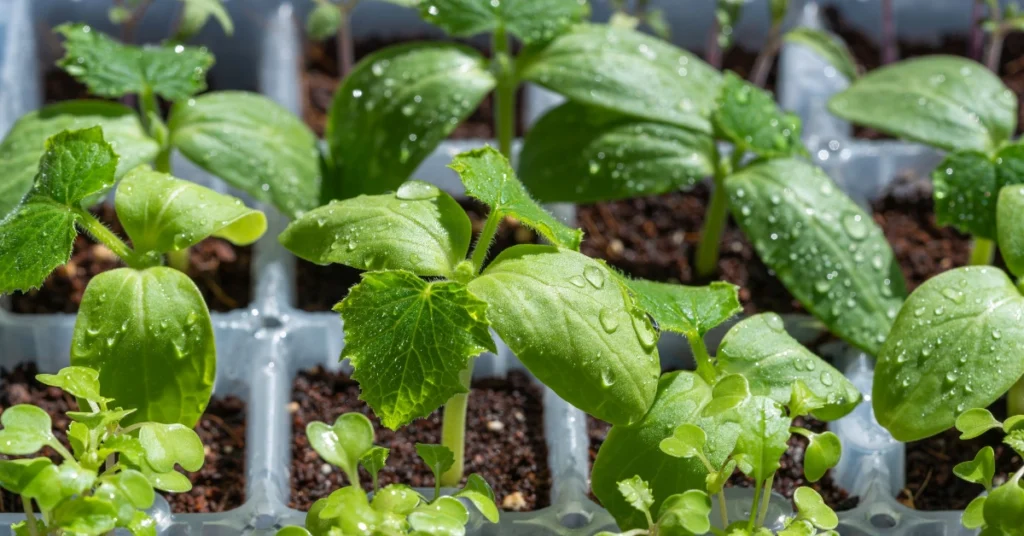
If you are dealing with seeds not sprouting after sowing a packet of lauki seeds, waiting two weeks, and getting nothing but bare soil staring back at you. You’re not doing anything wrong as a gardener. You’re just missing one small step that almost nobody tells you about when you buy seeds from a local nursery or your neighbourhood seed shop.
I’ve grown vegetables on balconies in three different cities over the last several years, and if there’s one question I get asked more than any other in gardening groups, it’s some version of this: “Bhai, mera lauki ka beej nahi ug raha” or “My okra seeds are just sitting there, not even one has sprouted.” Moringa is even worse. People often give up on it entirely after one failed attempt, assuming the seeds were bad.
They usually weren’t bad. They were just dry, hard, and never given a real chance.
Let’s fix that today, properly, with timings and methods that work for our climate, not borrowed advice from a Western gardening blog that assumes you have a greenhouse and 15°C spring mornings.
The Real Reason Your Seeds Are Not Sprouting
Lauki (bottle gourd), bhindi (okra), and moringa all share one thing in common: a tough outer seed coat. Nature designed it this way on purpose. In the wild, these seeds need to survive being baked in summer soil, sometimes for months, before the first monsoon rain finally softens them enough to let the embryo inside wake up.
When you sow these seeds dry, straight from the packet, into a pot of soil that you’re watering once a day, you’re asking the seed to do in 3-4 days of light watering what nature usually takes weeks of soaking to achieve.
The seed coat simply doesn’t let in enough water fast enough. So the embryo inside stays dormant, and meanwhile, fungal organisms in damp soil start attacking the seed before it even gets a chance to sprout.
That’s usually what’s really happening when a seed “rots” instead of germinating — not bad luck, just a race the seed coat was always going to lose.
This is exactly why soaking and, in some cases, light scarification (deliberately weakening the seed coat) makes such a dramatic difference. You’re doing in a few hours what the monsoon would otherwise take care of.
Soaking Times That Actually Work for Each Seed
I want to be specific here because vague instructions like “soak overnight” are part of the problem. Different seeds need different durations, and over-soaking is just as harmful as not soaking at all.
| Seed | Soaking Time | Water Temperature | Visual Sign It’s Ready |
| Lauki (Bottle Gourd) | 24 hours | Lukewarm (not hot) | Seed coat slightly swollen, edges softened |
| Bhindi (Okra) | 8-12 hours | Room temperature | Seed feels slightly plump when pressed |
| Moringa (Drumstick) | 24-48 hours, with daily water change | Room temperature | Outer wing/coat starts loosening, seed feels heavier |
| Karela (Bitter Gourd) | 12-18 hours | Lukewarm | Slight swelling, coat darkens |
| Tinda/Round Gourd | 12 hours | Room temperature | Seed sinks rather than floats |
A few things worth noting from real experience, not theory:
For lauki specifically, I’ve had the best results soaking in water that’s warm to touch (like the temperature of fresh chai after it’s cooled for two minutes) rather than cold tap water straight from the matka. Warm water speeds up the softening of that thick fibrous coat significantly.
For moringa, change the water every single day during soaking. If you leave moringa seeds sitting in the same water for 48 hours straight, especially in Indian humidity, you’re inviting fungal growth before the seed even goes into soil. Fresh water daily keeps it clean.
When Soaking Seeds Isn’t Enough — Using the Nicking Method
Sometimes, especially with older lauki or karela seeds that have been sitting in a shop’s stock for months, plain soaking won’t cut it. The seed coat has hardened too much. This is where a small mechanical step called scarification helps — and it sounds more technical than it actually is.
Take a regular nail cutter or a small kitchen knife. On the rounded, broader end of the seed (never the pointed end, where the embryo sits closest to the surface), gently nick or scrape away a tiny bit of the outer coat — just enough to expose a lighter colour underneath. You’re not trying to cut into the seed, just weaken the armour slightly.
After this, soak as usual. You’ll often see germination speed up by 2-3 days compared to soaking alone, especially with seeds that are six months or older.
I’d only recommend this for lauki, karela, and tinda. Bhindi seeds are small enough that nicking them is fiddly and rarely worth the effort, soaking alone almost always does the job for okra if the seeds are reasonably fresh.
The Sowing Mistake That Can Undo All Your Seed-Soaking Effort
Here’s something that trips up even gardeners who get the soaking right: they soak the seeds perfectly, then let them sit on a plate for half a day “to dry a bit” before sowing, because they’re worried about overwatering the soil.
Don’t do this. Once a seed has imbibed water and started the germination process, it needs to go into moist soil immediately.
Letting a soaked seed dry out partially on a plate is often worse than not soaking at all — you’ve triggered the metabolic process inside the seed, and then you’ve starved it of the moisture it now urgently needs.
Sow soaked seeds within 30 minutes of taking them out of water, straight into pre-moistened soil.
Soil Conditions That Match Sowing Seasons
Soaking gets the seed ready, but the soil it goes into decides whether that readiness turns into an actual seedling. This is where a lot of well-soaked seeds still fail, especially in North India during the wrong season.
| Region/Season | Best Sowing Window | Soil Moisture Tip |
| North India (Delhi, Punjab, UP) | Mid-February to March, or July-August (post first monsoon rain) | Avoid sowing in cold February mornings; soil below 18°C delays germination significantly |
| South India (Tamil Nadu, Karnataka, Kerala) | Year-round for lauki/bhindi, June-July for moringa | Ensure pots have extra drainage holes; humidity already does half the soaking work |
| Western India (Maharashtra, Gujarat) | March-April (pre-monsoon) or June (monsoon onset) | Water early morning only; afternoon watering in summer heat scalds the seed bed |
| Eastern India (West Bengal, Odisha, Bihar) | Same as North India pattern, slightly earlier in March due to humidity | Watch for waterlogging once monsoon hits; raised beds help |
Moringa in particular is far more temperature-sensitive than people expect. If your night temperatures are still dropping below 15°C, even a perfectly soaked moringa seed will sit there doing nothing. I’ve made this mistake myself, sowing moringa too early in a Delhi February, and learned the hard way that patience with timing matters more than any soaking trick.
Fixing Seeds That Have Already Failed to Sprout
If you’ve already sown dry seeds two weeks ago and nothing has come up, don’t immediately dig up the soil and throw it away. Here’s what I do before giving up on a batch:
Carefully dig down 2-3 inches around where you sowed, using a spoon rather than your fingers, to avoid damaging anything that might be slowly progressing.
If the seed is still firm and pale inside when you press it gently, it’s likely still viable — just slow. Soak it now, separately, for the appropriate time from the table above, then resow it in a fresh spot with better-prepared soil.
If the seed has gone soft, dark, or has a foul smell, it has rotted and there’s no reviving it. At that point, your best move is a fresh batch of seeds, properly soaked this time, rather than waiting any longer on the same patch.
If you’ve had repeated rot issues in the same patch of soil, the problem may not be your soaking technique at all — it could be fungal pathogens already living in that soil bed, in which case solarizing your garden soil naturally before your next sowing round will do more for your germination rate than any amount of extra soaking.
A Quick Seed Viability Check Before You Start Soaking
Before I soak an entire packet — especially moringa, which isn’t cheap — I always run a quick float test first. Takes barely two minutes, and it saves you from wasting soil, water, and patience on seeds that were never going to sprout in the first place.
Here’s how I do it, and how I read the results:
- Drop your seeds into a bowl of room-temperature water and just leave them be for 10-15 minutes. No need to stir or disturb them.
- If a seed sinks to the bottom — good news, it’s still got life in it. Pull it out and soak it properly using the timings from earlier in this guide.
- If a seed floats and just sits there on the surface, not moving — that’s usually a sign it’s hollow inside. The embryo either dried up or never fully developed. No amount of soaking is going to bring that one back.
- If a seed floats briefly and then slowly sinks within the first few minutes — give it the benefit of the doubt. I’ve had quite a few of these “late sinkers” surprise me with a strong sprout later on.
- If it’s still floating stubbornly after the full 15 minutes — let it go. In my experience, those almost never come through, and that soil is better spent on a seed with a real fighting chance.
It’s a small step, but it’s the difference between sowing a tray full of hope and sowing a tray you can actually trust.
Putting It All Together: A Simple Seed-Starting Routine
If I had to compress everything above into one routine you could actually follow without overthinking it, here’s what I’d tell a friend starting out:
Do the float test first to weed out duds. Soak the surviving seeds for the duration specific to that vegetable, using lukewarm water for lauki and karela, room temperature for bhindi and tinda, and fresh daily water for moringa.
If the seeds are old stock or you’re dealing with lauki/karela specifically, nick the outer coat lightly before soaking. Sow immediately after soaking, never letting the seed sit out and dry.
Match your sowing to the season table for your region, because no amount of soaking fixes sowing at the wrong time of year.
Check on slow seeds after two weeks before writing them off completely.
None of this requires any special equipment — just a bowl, some patience, and timing that respects what these seeds actually need rather than what a generic seed packet label tells you.
How You Store Seeds Matters More Than Most Gardeners Realise
Before we even get to soaking, it’s worth talking about something that quietly ruins germination rates for a lot of home gardeners in India: storage.
I’ve seen people buy a perfectly good packet of lauki or bhindi seeds, leave it in a kitchen drawer through a humid Mumbai monsoon, and then wonder months later why barely anything sprouts.
Humidity is the enemy here, not heat. Seeds left in damp conditions for extended periods either germinate prematurely inside the packet (and then die from lack of soil and light) or develop fungal issues that kill the embryo while it still looks fine from the outside.
If you’re buying seeds in bulk, especially moringa, which is often sold loose by weight at nurseries rather than in sealed packets, store them in an airtight container with a few grains of raw rice or a small silica packet thrown in to absorb moisture.
Keep this container somewhere cool and dark, not on a sunny windowsill, and not in the fridge unless you’re storing for longer than a season.
Bhindi and lauki seeds, if stored this way, comfortably stay viable for 2-3 years. Moringa is more delicate and I wouldn’t trust seeds older than 12-15 months, even with good storage, because its oil content (which is fairly high compared to other vegetable seeds) tends to go rancid and that affects germination noticeably.
Final Thought
Most “seeds not sprouting” frustration in Indian home gardens isn’t a soil problem or a sunlight problem. It’s a seed-coat problem that soaking solves nine times out of ten, as long as you get the timing right for that specific vegetable.
The next time you bring home a packet of lauki, bhindi, or moringa seeds, give them the soak they’re asking for before they ever touch soil. You’ll likely see your germination rate jump from a frustrating handful of sprouts to nearly the entire batch coming up together.
That’s really the whole secret — not more effort, just the right step at the right time.