My first vertical garden rotted from the bottom up within three weeks. The problem wasn’t my green thumb — it was advice built for climates nothing like ours. Here’s everything that actually works for vertical gardening in Indian heat, humidity, and hard water, learned through real trial and error.
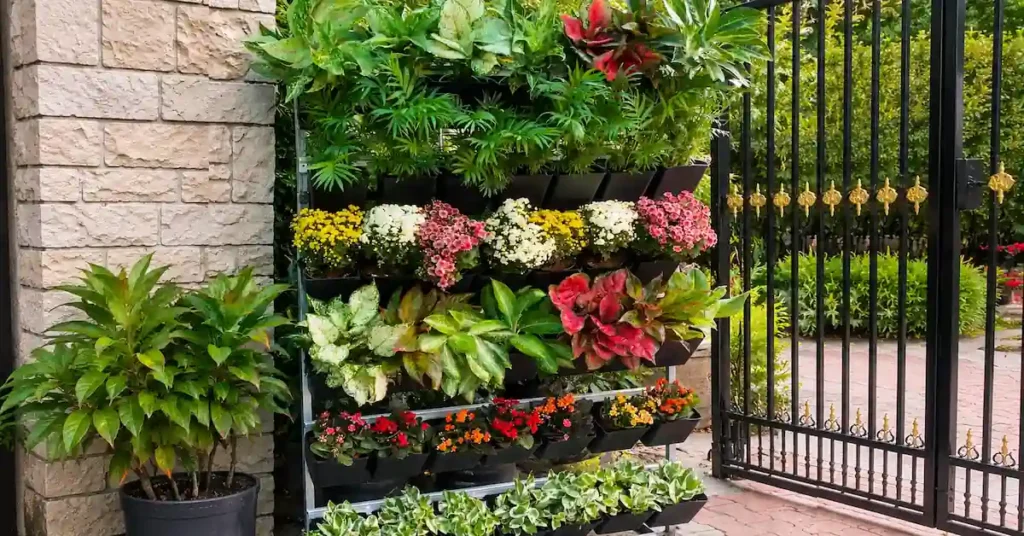
I started my first vertical garden on a rented second-floor balcony four years ago, and within three weeks, half my pocket planters had turned into a soggy, root-rotted mess.
I had copied a setup I saw on a foreign gardening channel — same fabric pockets, same watering schedule, same plant choices. What nobody told me was that those tutorials were filmed in places with completely different humidity, sunlight intensity, and water hardness.
Indian balconies are a different beast altogether, and most vertical gardening advice online simply doesn’t account for that.
Since then, I’ve rebuilt that vertical garden three times, tested PVC pipe setups, pallet walls, fabric pocket systems, and tiered stands across very different Indian climates — from humid coastal heat to dry inland summers. This article isn’t a copy-paste of generic tips. It’s everything I learned the hard way, organized so you don’t have to repeat my mistakes.
If you’re searching for “vertical gardening in India” because you have limited space, a rented flat, or you’re just tired of your plants dying in a vertical setup, this is written specifically for that situation — in Indian conditions, with Indian materials, for Indian readers.
Why Vertical Gardening in India Fails More Often Than People Admit
Most vertical garden content shows beautiful finished walls without ever mentioning what goes wrong in between. In reality, vertical gardening has a much higher failure rate than ground-level or container gardening for a simple reason: gravity, drainage, and airflow all behave differently when you stack plants vertically instead of spreading them horizontally.
Here’s the uncomfortable truth — a vertical garden is not just “a regular garden turned sideways.” It’s a different growing system with its own rules. Once you understand that, the fixes become obvious.
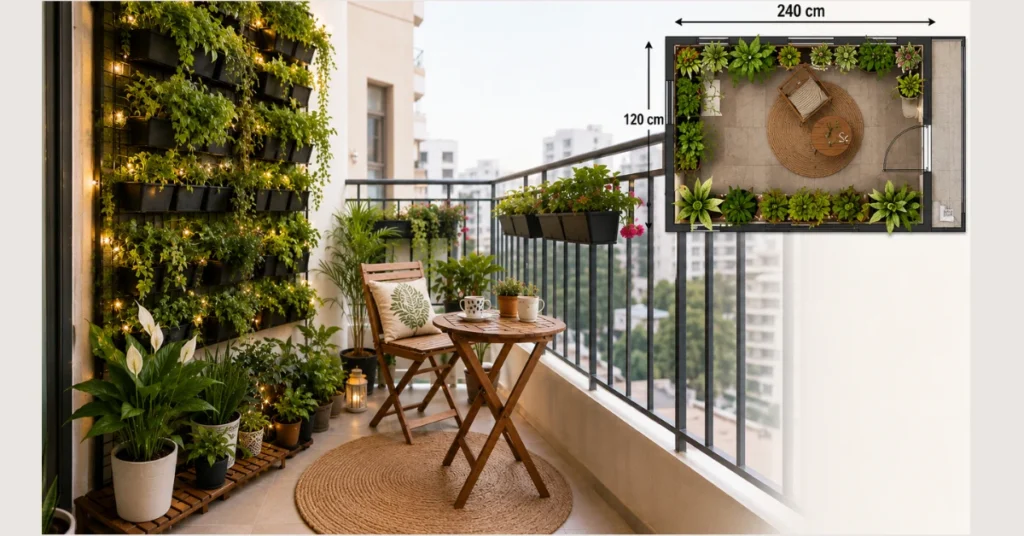
If you’re just getting started with growing in limited space, it’s worth pairing this guide with my broader small balcony garden ideas post — it covers layout and planning basics that make vertical gardening far easier to set up correctly from day one.
Let’s go problem by problem.
Problem 1: Lower Pockets Flood While Upper Pockets Dry Out
This is the single most common complaint I get from readers, and it’s almost never addressed properly. In a vertical structure — whether it’s a fabric pocket wall, PVC pipe system, or tiered planter — water you pour at the top trickles down through gravity.
By the time it reaches the bottom row, it’s carrying excess moisture from every tier above it. Meanwhile, your top row, which got watered first and drained fastest, dries out within hours in Indian heat.
The result: root rot at the bottom, wilting at the top, in the exact same watering session.
The Fix That Actually Works
Stop watering vertical gardens from the top only. Instead, water in this sequence:
- Water the bottom tier first, lightly — just enough to dampen the soil, not soak it.
- Move to the middle tier next, slightly more water.
- Water the top tier last, and most generously, since it loses moisture fastest to sun and wind.
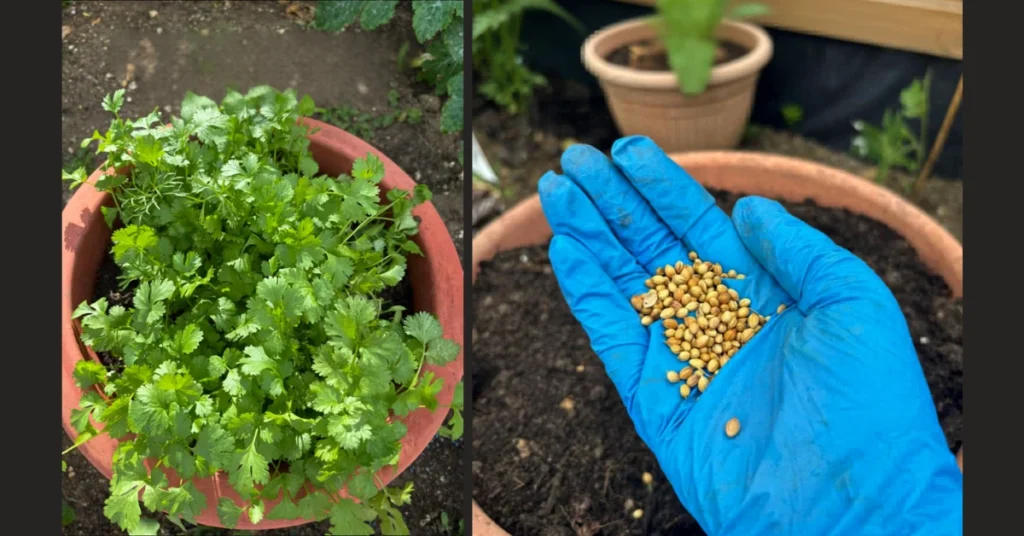
This reversed watering order accounts for the natural downward drift of moisture and balances things out. I switched to this method after losing an entire bottom row of coriander to rot, and I haven’t lost a plant to waterlogging since.
Additionally, drill or punch extra drainage holes at the back-bottom corner of every pocket or tier — not just the bottom-center, which is where most manufacturers place the standard hole. Water pools at corners due to fabric sag or slight tilting, and a single centered hole won’t catch that.
Drainage Layering Table for Vertical Pockets
| Layer (bottom to top) | Material | Thickness | Purpose |
| Base layer | Broken terracotta shards or pebbles | 1–1.5 inches | Prevents soil from blocking drainage holes |
| Middle layer | Coarse sand or coco husk chips | 0.5 inch | Improves airflow, prevents compaction |
| Growing layer | Potting mix + compost (60:40) | Remaining depth | Root zone — keep light and well-aerated |
| Top dressing | Dry neem cake powder | Thin sprinkle | Pest deterrent, doesn’t affect drainage |
This layering matters far more in vertical setups than in regular pots, because there’s no escape route for excess water except straight down through other plants.
Problem 2: PVC Pipe and Plastic Pocket Setups Cracking or Leaking Within Months
If you’ve built a vertical garden using PVC pipes (extremely popular across Indian YouTube and Instagram tutorials), you’ve probably noticed cracks appearing near the cut edges after 3–6 months, especially on west-facing or unshaded walls.
This isn’t a manufacturing defect — its thermal expansion. PVC expands and contracts with daily heat cycles, and repeated stress at the cut edges, especially where holes were drilled for plants, causes micro-cracks that eventually leak or split.
Fabric pocket systems have a parallel problem: UV degradation. Cheap polyester or non-UV-treated fabric pockets become brittle and tear within one Indian summer, particularly on south or west-facing balconies that get 5+ hours of direct sun.
The Fix
For PVC setups:
- Use Schedule 40 PVC pipes, not thin agricultural-grade pipes — they handle thermal stress significantly better.
- Sand down all cut edges and drilled holes before planting. Rough edges concentrate stress and crack first.
- Paint exposed PVC with a light-colored, UV-resistant exterior paint. Dark pipes absorb more heat, accelerating expansion-contraction cycles. White or light grey reduces surface temperature by a noticeable margin.
- Leave pipes slightly under-filled with soil — packing them completely tight removes the minor flex room that prevents cracking.
For fabric pocket systems:
- Choose UV-stabilized polypropylene fabric specifically, not generic “garden fabric” sold without UV ratings. It costs marginally more but lasts 3–4 times longer in the Indian sun.
- If your wall gets more than 4 hours of direct afternoon sun, install a simple 40% shade net above the structure during April–June. This single change extends fabric life dramatically and also protects plants from leaf scorch.
Problem 3: Plants in Lower Tiers Are Stunted or Pale Because Upper Tiers Block Their Light
This is a structural design mistake almost nobody talks about. When you stack tiers or pockets directly above one another, each upper row casts a shadow on the row below it — especially in vertical structures mounted flush against a wall, where there’s no side light to compensate.
You’ll notice this as pale, stretched, leggy growth in lower tiers, while upper tiers thrive. It’s not a soil or watering problem — it’s a light-blocking design flaw, and no amount of fertilizer will fix it.
The Fix
- Stagger your tiers rather than stacking them in a perfectly flat vertical line. A slight forward offset of 2–3 inches per tier (like a staircase) lets light reach lower rows instead of being blocked entirely.
- Place light-tolerant, shade-friendly herbs and leafy greens in the lower tiers — mint, coriander, and pudina genuinely tolerate partial shade better than fruiting plants. Save your highest-light upper tiers for things that need full sun, like tomatoes or chilies if you’re growing vegetables vertically.
- If staggering isn’t possible due to space, install a simple mirror or white-painted reflective backing behind the structure. Reflected light noticeably improves growth in shaded lower tiers — I tested this on my Pune balcony with a plain white-painted plywood backing, and the difference within three weeks was visible in leaf color alone.
Light Requirement Guide for Common Vertical Garden Plants in India
| Plant | Minimum Direct Sunlight Needed | Tier Recommendation |
| Mint (Pudina) | 2–3 hours | Lower tier, tolerates shade well |
| Coriander (Dhaniya) | 3–4 hours | Lower-middle tier |
| Curry Leaves | 4–5 hours | Middle tier, needs reasonable light |
| Tulsi | 5–6 hours | Upper-middle tier |
| Chilies | 6+ hours | Top tier, full sun essential |
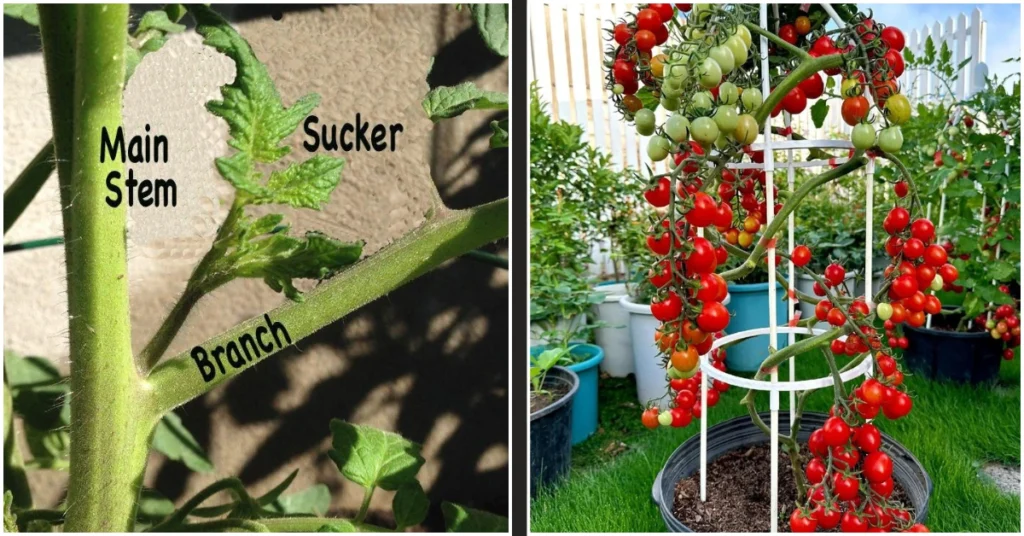
| Tomato (cherry/dwarf varieties) | 6+ hours | Top tier only |
| Spinach (Palak) | 3–4 hours | Lower-middle tier |
| Fenugreek (Methi) | 3–4 hours | Lower-middle tier |
Problem 4: Renters Can’t Drill Walls, So Vertical Gardening Feels Impossible
This is genuinely one of the most common questions I get from Indian readers, and almost no vertical gardening guide addresses it properly because most are written assuming you own your home.
If you’re in a rented flat — which describes a huge number of urban Indian gardeners — drilling holes into a landlord’s wall is usually out of the question, and even if it’s technically allowed, nobody wants to deal with the deposit conversation.
The Fix: Landlord-Safe Vertical Gardening Setups
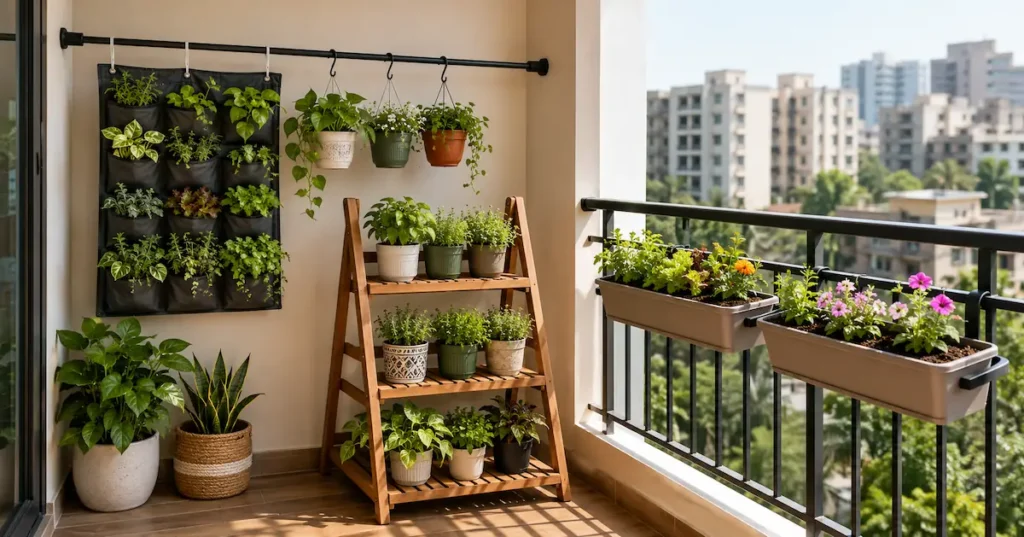
You genuinely don’t need to drill anything. Here are three setups I’ve personally tested that hold weight without wall damage:
1. Tension rod systems — Adjustable tension rods (the kind used for curtains, but heavier-duty versions rated for 15–20 kg) can be wedged between a balcony’s side walls or a grille opening. Hang lightweight fabric pocket planters or S-hooked pots from these rods. No drilling, fully reversible.
2. Free-standing tiered ladder stands — Wooden or metal A-frame / ladder-style plant stands need zero wall attachment. They take up a bit more floor space than wall-mounted options, but for renters, this trade-off is worth it. Look for stands rated to hold at least 8–10 kg per tier if you’re growing anything beyond small herbs.
3. Weighted railing planters — If your balcony has a railing, over-the-rail planter boxes that hook on both sides (inside and outside) distribute weight without screws. Always check the weight rating and never overload the outer side facing the street — a dropped planter from height is a real safety and legal liability in Indian housing societies.
Quick Reference: Weight-Bearing Safety Checklist for Rental Vertical Gardens
- Confirm tension rod or stand is rated for at least 1.5x your estimated loaded weight (wet soil is heavier than dry)
- Never hang heavy planters on the outward-facing side of a railing in apartments above the 2nd floor
- Check society bylaws — some RWAs have specific rules about balcony railing planters facing the street
- Use zip-tied or screw-locked S-hooks, not open hooks, since wind can knock open hooks loose over months
- Re-check tension rod grip every 2 months — humidity and heat can loosen rubber tension pads over time
Problem 5: Pest Infestations Spread Down the Entire Vertical Structure Within Days
In a normal ground garden, an aphid infestation on one pot generally stays somewhat contained, or spreads slowly. In a vertical garden, pests spread shockingly fast — because water runoff, leaf contact, and the wind funneling effect created by a wall structure all work in the pest’s favor. I’ve watched a single mealybug-infested pocket spread to four pockets below it within a week, simply through dripping water carrying eggs and crawling insects downward.
The Fix
- Isolate and treat the moment you spot pests — don’t wait. Physically separate or wrap the affected pocket/tier with a plastic sheet temporarily to stop drip transfer to lower rows while you treat it.
- Use a diluted neem oil spray (5ml neem oil + 2ml mild liquid soap per litre of water), applied in the evening, never in direct sun, since neem oil can scorch leaves under harsh daylight.
- For vertical structures specifically, spray from the bottom tier upward, not top-down — this prevents you from washing concentrated pest residue from upper levels straight onto already-treated lower levels.
- Once a week, physically check the undersides of leaves on your lowest tier first — this is where pest problems show up earliest in vertical systems, since it’s the most humid, least airflow-friendly zone.
Common Vertical Garden Pests in Indian Conditions and Targeted Fixes
| Pest | Where It Appears First | Best Treatment |
| Mealybugs | Lower, shaded tiers | Cotton swab dipped in diluted isopropyl alcohol, then neem spray |
| Aphids | New growth tips, upper tiers | Neem-soap spray, repeat every 4 days for 2 weeks |
| Spider mites | Dry upper tiers in summer | Increase humidity, spray with diluted buttermilk-water mix |
| Fungus gnats | Overwatered lower pockets | Let topsoil dry between watering, add sand top-dressing |
| Whiteflies | Curry leaf and tomato tiers | Yellow sticky traps + neem spray combination |
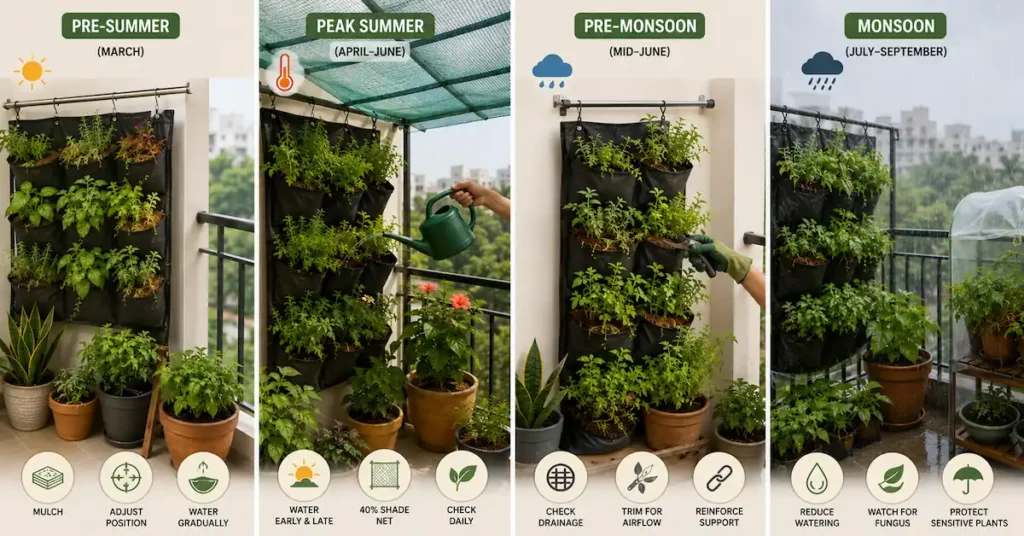
Problem 6: Vertical Gardens Look Great in March, Then Collapse by June (Heat & Monsoon Damage)
Indian seasons are brutal on vertical structures in ways flat gardens don’t experience as severely. Summer heat dries out exposed vertical surfaces far faster than ground soil, since vertical pockets have more surface area exposed to air per litre of soil.
Then monsoon arrives, and the same structure that was struggling with drought suddenly faces waterlogging, fungal outbreaks, and structural sagging from prolonged moisture.
The Fix — A Seasonal Vertical Garden Maintenance Routine
Pre-Summer (March)
- Add a layer of mulch (dry leaves or coco peat) on top of every pocket to slow moisture loss
- Move or angle the structure to reduce direct afternoon sun exposure where possible
- Increase watering frequency gradually, not abruptly, as temperatures rise
Peak Summer (April–June)
- Water early morning before 8 AM and evening after 6 PM only — midday watering evaporates before reaching roots and can scorch wet leaves under sun
- Install 40% shade net if your structure gets more than 4 hours of direct sun
- Check daily for wilting; vertical structures dry out faster than you’d expect from appearance alone
Pre-Monsoon (Mid-June)
- Clear and re-check every drainage hole — leaves, dust, and dried roots clog them over summer
- Trim back overgrown plants to improve airflow before humidity spikes
- Reinforce any tension rods, hooks, or stands — monsoon winds are stronger than summer breezes and loose structures sag or fall
Monsoon (July–September)
- Reduce watering drastically; let rainfall do most of the work, but check that excess rain is actually draining and not pooling in pockets
- Watch for fungal spotting on leaves — increase spacing between plants if you see early signs
- Move highly moisture-sensitive plants (like coriander) under partial cover during heavy rain weeks
Problem 7: Hard or Chlorinated Tap Water Is Quietly Killing Vertical Garden Plants
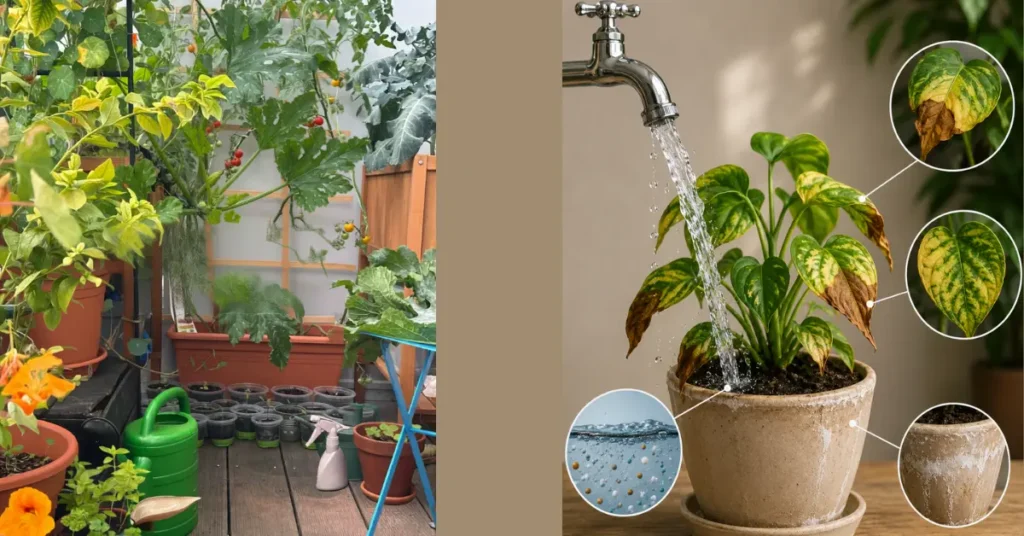
This one took me the longest to figure out, because the symptoms looked like nutrient deficiency — yellowing leaf edges, slow growth, white crust forming on soil surface.
It wasn’t a soil problem. It was the water. Many Indian cities, especially parts of Delhi, Chennai, and Bangalore, have hard or heavily chlorinated tap water, and vertical gardens — with their smaller soil volume per plant and faster evaporation — concentrate these minerals and chemicals much faster than ground gardens do.
The Fix
- Let tap water sit in an open container for at least 24 hours before using it. This allows much of the chlorine to evaporate naturally.
- If you notice white mineral crust forming on soil surface (common with hard water), flush the pocket thoroughly once every 3 weeks with a larger volume of water to push accumulated salts down and out through drainage, rather than just topping up normally.
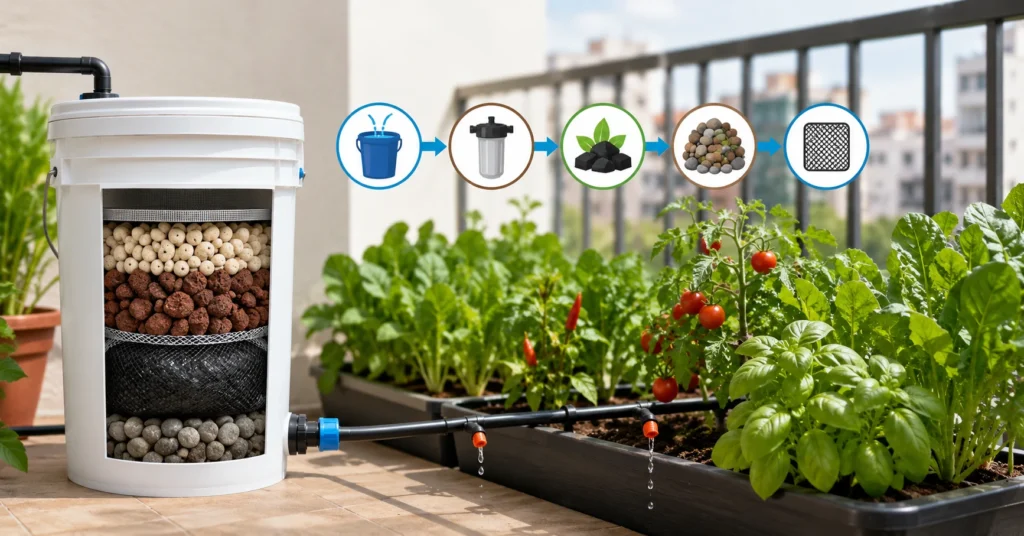
- Where possible, collect and use rainwater during monsoon for your vertical garden — it’s naturally soft and free of added chlorine, and plants respond visibly better to it.
- Avoid using RO reject/waste water for vertical gardens long-term — it’s often higher in concentrated minerals, not lower, despite the common assumption that it’s “purer.”
Problem 8: Choosing the Wrong Plants for Vertical Structures Altogether
Even when the drainage, light, and watering are all correct, plenty of vertical gardens still underperform simply because the plant itself was never suited to vertical growing in the first place.
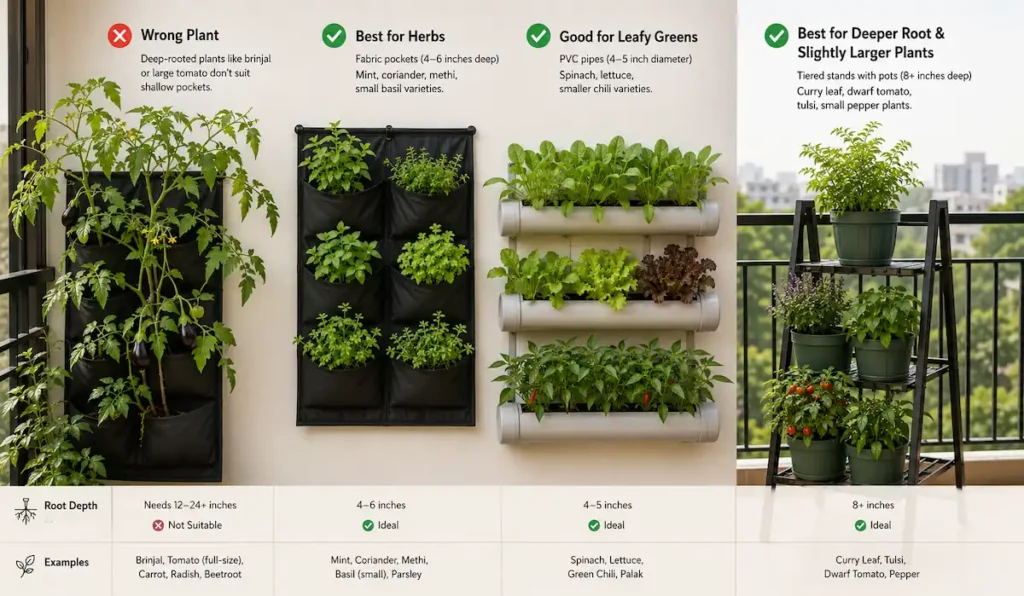
I see this constantly — people trying to grow deep-rooted vegetables like brinjal or full-sized tomato plants in 4-inch fabric pockets, then wondering why growth stalls after the seedling stage. The pocket simply doesn’t have the root depth those plants need, no matter how good your soil or watering is.
Vertical gardening genuinely works best for plants with shallow to medium root systems, compact growth habits, and a forgiving tolerance for slightly inconsistent moisture. Trying to force a plant that wants to spread its roots two feet down into a six-inch pocket is fighting biology, not bad luck.
The Fix: Match the Plant to the Structure, Not the Other Way Around
Before buying seeds or saplings for a vertical setup, check root depth requirements first. As a rough rule for Indian vertical gardens:
- Fabric pockets (4–6 inches deep): Best for herbs only — mint, coriander, methi, small basil varieties
- PVC pipes (4–5 inch diameter): Slightly more root room, suitable for spinach, lettuce, smaller chili varieties
- Tiered stands with proper pots (8+ inches deep): Can handle curry leaf saplings, dwarf tomato varieties, tulsi, and even small pepper plants
Trying to grow root vegetables (carrot, radish, beetroot) or anything with a tap root in a shallow vertical pocket is one of the most common avoidable mistakes — these crops simply need vertical soil depth that most vertical structures cannot offer, regardless of how well you maintain them otherwise.
Best Performing Plants for Indian Vertical Gardens (Tested Over Multiple Seasons)
| Plant | Why It Works Well Vertically | Difficulty Level |
| Mint (Pudina) | Shallow roots, spreads well in pockets, tolerant of inconsistent watering | Easy |
| Coriander | Quick growing cycle, shallow root system, good for lower-shaded tiers | Easy |
| Curry Leaves (young saplings) | Adapts well once established, though needs deeper pots than fabric pockets | Moderate |
| Money Plant / Pothos (ornamental) | Extremely forgiving, great for filling gaps and softening structure visually | Very Easy |
| Cherry Tomato (dwarf/bush variety only) | Compact root system if you choose dwarf varieties specifically, not regular tomato | Moderate |
| Spinach (Palak) | Fast growing, shallow roots, good turnover crop for beginners | Easy |
| Fenugreek (Methi) | Extremely fast growing, ideal for testing a new vertical setup before committing to slower plants | Very Easy |
| Lettuce | Shallow rooted, thrives with the partial shade lower tiers often provide | Easy |
| Basil (Indian/Thai varieties) | Compact growth, fragrant, deters some pests naturally when placed near other herbs | Easy |
If you’re setting up your very first vertical garden, I’d genuinely recommend starting with methi or coriander before anything else. They grow fast enough that you’ll know within 10–12 days whether your watering and drainage setup is working, instead of waiting weeks to find out with a slower-growing plant.
Is Vertical Gardening Actually Worth the Cost in India? A Realistic Breakdown
A question I get asked often, especially from renters and first-time balcony gardeners, is whether building a vertical garden is even worth the upfront cost compared to simply buying vegetables and herbs from the local sabzi market. Here’s an honest, rupee-based comparison based on a basic 8-pocket fabric vertical garden setup, including ongoing costs over a typical growing season.
| Item | One-Time / Recurring Cost (Approximate) |
| 8-pocket UV-stabilized fabric vertical planter | ₹600–₹900 (one-time) |
| Tension rod or mounting hardware | ₹250–₹400 (one-time) |
| Potting mix + compost (initial fill) | ₹300–₹500 (one-time) |
| Seeds/saplings (mixed herbs) | ₹150–₹300 (one-time, reusable seed stock for repeat sowing) |
| Neem oil + basic pest control supplies | ₹150 (lasts several months) |
| Monthly water cost (negligible, marginal increase) | ₹20–₹40/month |
Total realistic first-time setup cost: roughly ₹1,300–₹2,100, with ongoing monthly costs under ₹50 once established.
Compare that to buying fresh coriander, mint, methi, and spinach from the market regularly — a household using even modest quantities of these regularly can easily spend ₹150–₹250 a month on just these items alone, especially with seasonal price spikes during supply shortages.
Within roughly 6–8 months, a well-maintained vertical herb garden typically pays for its own setup cost in saved grocery spending, and after that, the ongoing cost is minimal compared to market prices, which fluctuate significantly during monsoon and peak summer.
The real value, though, isn’t purely financial. It’s having pesticide-free herbs available fresh, exactly when a recipe needs them, instead of compromising with wilted bunches from the market or skipping the ingredient altogether.
My Personal Vertical Garden Setup Checklist (Use Before You Plant Anything)
This is the exact checklist I run through before setting up any new vertical garden, refined over several failed attempts:
- Confirm wall/structure direction (N/S/E/W) and actual daily sun hours, not assumed sun hours
- Choose Schedule 40 PVC or UV-stabilized fabric — never untested generic materials
- Plan drainage holes at back-bottom corners, not just centers
- Layer drainage material (shards → sand → soil mix) in every pocket before planting
- Match plant light needs to tier position using the light requirement table above
- Stagger tiers slightly or add reflective backing if light-blocking is unavoidable
- Set up landlord-safe mounting if renting — tension rods, free-standing stands, or rail hooks
- Let tap water rest 24 hours before use; flush soil every 3 weeks to prevent salt buildup
- Inspect lowest tier leaves weekly for early pest signs
- Adjust watering order and frequency seasonally per the maintenance routine above
Final Thoughts: Vertical Gardening Rewards Patience, Not Just Pinterest Inspiration
Every vertical garden I’ve seen fail — including my own early attempts — failed not because the person lacked a green thumb, but because they applied flat-garden logic to a vertical structure that behaves completely differently. Water moves down.
Light gets blocked. Heat hits harder on exposed surfaces. Pests travel faster. None of this is intuitive until you’ve actually lived through a few seasons of trial and error in Indian conditions specifically.
If there’s one thing I’d want you to take away from this, it’s this: don’t copy a vertical garden tutorial filmed somewhere with different humidity, different sun intensity, and different water quality, and expect it to work the same way on your Mumbai, Delhi, Chennai, or Pune balcony.
Adapt the watering order, the drainage layering, the tier placement, and the seasonal routine to your actual conditions, and a vertical garden stops being a fragile experiment and becomes one of the most space-efficient, genuinely rewarding ways to grow herbs and greens in a small Indian home.
Start small — even a 4-pocket fabric setup with the drainage and watering fixes above will outperform a 12-pocket structure built without them. Get one tier right before scaling up.
If you’ve tried vertical gardening and hit a specific problem not covered here, that’s usually a sign your particular wall, climate, or water source has its own quirk worth troubleshooting individually — and that’s exactly the kind of real-world problem-solving this blog is built around.
FAQs
How much sunlight does a vertical garden actually need if my balcony only gets partial sun?
Most leafy herbs (mint, coriander, methi, spinach) genuinely do well with just 3–4 hours of direct sunlight. If your balcony gets less than that, focus exclusively on shade-tolerant herbs rather than trying to force sun-loving plants like tomatoes or chilies into a low-light vertical setup — no amount of fertilizer compensates for insufficient light.
Can I use kitchen vegetable waste as compost directly in vertical garden pockets?
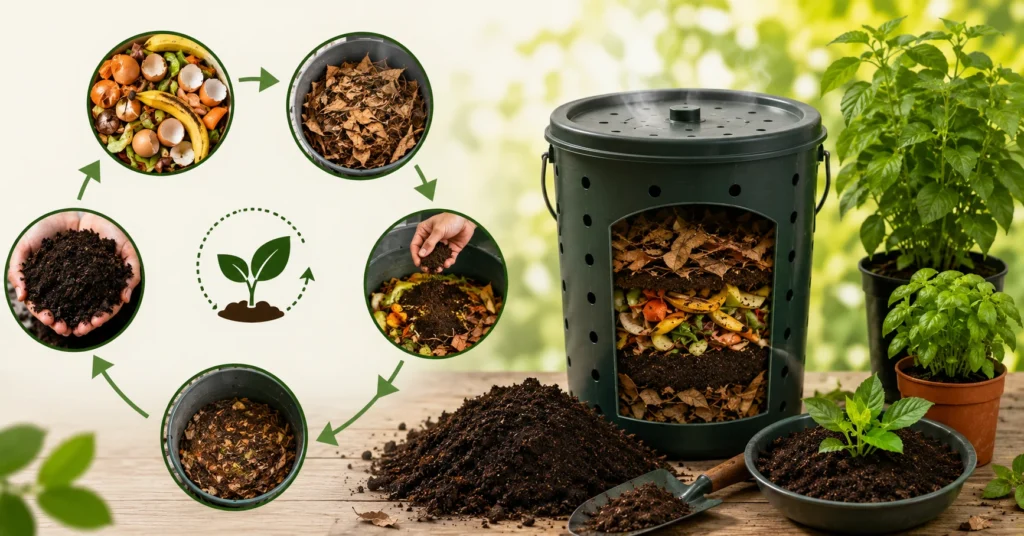
Not directly and not fresh — raw kitchen waste in a small vertical pocket tends to attract fruit flies and can cause localized rot due to the limited soil volume. Compost it separately first (even a small bokashi bin or compost bag works) and mix only fully broken-down compost into your potting mix.
Why do my vertical garden plants grow well for a month and then suddenly decline?
This is almost always a nutrient depletion issue specific to small soil volumes. Vertical pockets hold far less soil than ground beds, so nutrients get used up faster. Plan to add a diluted liquid fertilizer (like diluted vermicompost wash or a mild organic liquid feed) every 2–3 weeks rather than relying on the original potting mix to sustain plants long-term.
Is it safe to grow vegetables vertically on a balcony facing a busy road, considering pollution?
This is a legitimate concern in many Indian cities. Leafy greens especially can accumulate dust and particulate matter on their surface. Rinse leaves thoroughly before consumption, and where possible, position your vertical structure slightly set back from the railing edge rather than directly facing the road, which reduces direct exposure to vehicle exhaust and road dust.