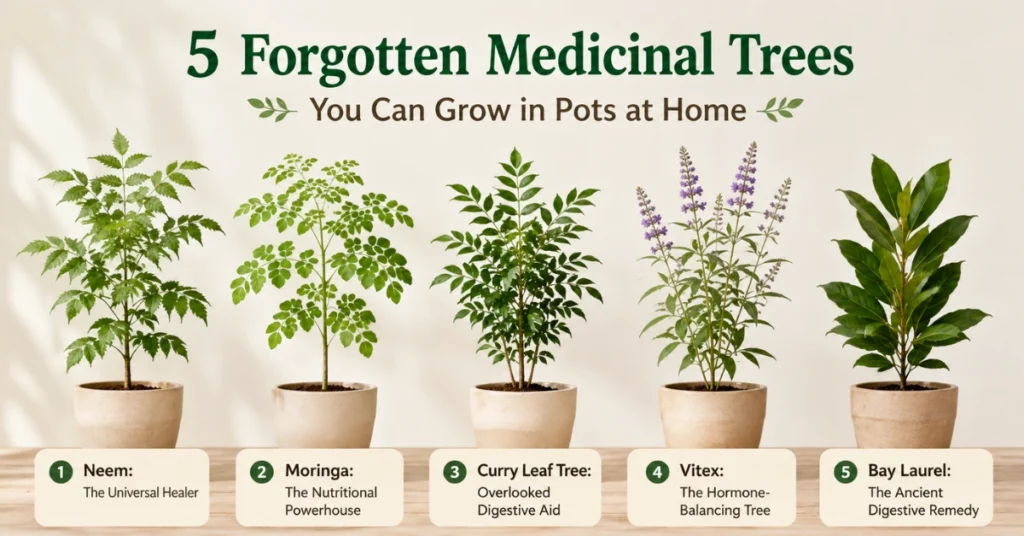
When I started growing neem and moringa trees in my apartment three years ago, friends thought I’d lost my mind. Why take up precious indoor space with trees when grocery stores have fresh herbs? But here’s what changed my perspective: I wanted to reduce reliance on supplements, understand exactly what I was consuming, and bring a piece of traditional medicine-the kind my grandmother relied on-into my modern city life.
Today, my balcony holds five different medicinal trees in pots. Each one thrives with basic care. Each one delivers genuine health benefits. And none of them require a suburban yard or a green thumb.
The truth is, most of us forget that the most powerful medicinal plants aren’t exotic-they’re ancient. For thousands of years, before pharmaceutical companies and shipping containers, people grew healing plants at home. But those plants got forgotten, replaced by the
convenience of pills and powders. Urban living seemed to have made this impossible. It hasn’t. It’s just been overlooked.
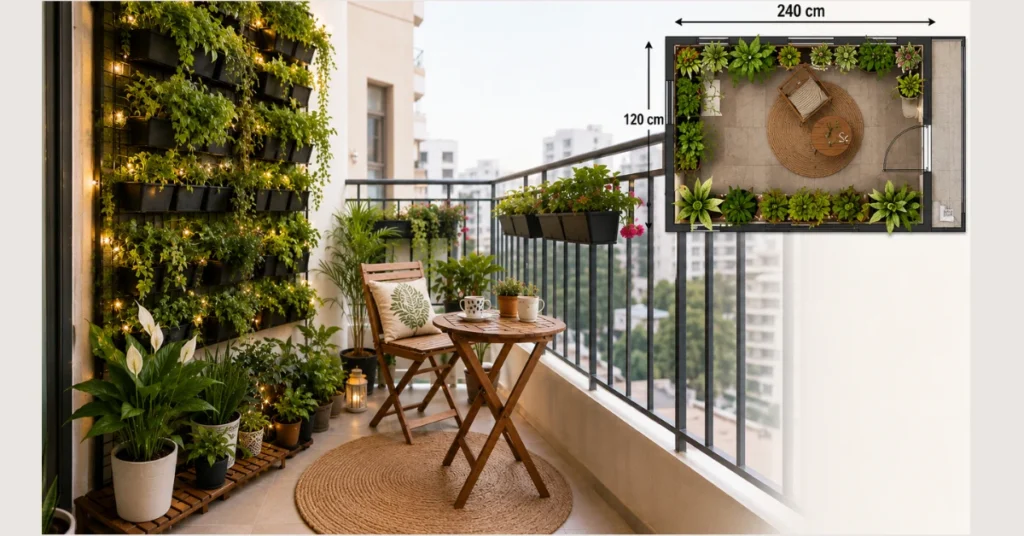
In this guide, I’m sharing the five medicinal trees I’ve grown successfully in containers, the real health benefits each one brings, and exactly how to grow them in apartments, balconies, and small urban spaces.
1. Neem: The Universal Healer
Neem holds a special place in Ayurvedic medicine-so special it earned the Sanskrit name “Sarva Roga Nivarini,” which translates to “the universal healer.” For thousands of years, it’s been used across India for everything from immune support to skin health. Modern research backs much of this up.
The tree contains over 100 bioactive compounds, with nimbin and nimbidin being the most studied. These compounds show genuine antibacterial and antifungal activity-lab studies confirm it stops Candida species at 75% inhibition rates. The anti-inflammatory effects are similarly real. If you deal with inflammatory skin conditions, a neem oil bath or leaf tea can make a noticeable difference.
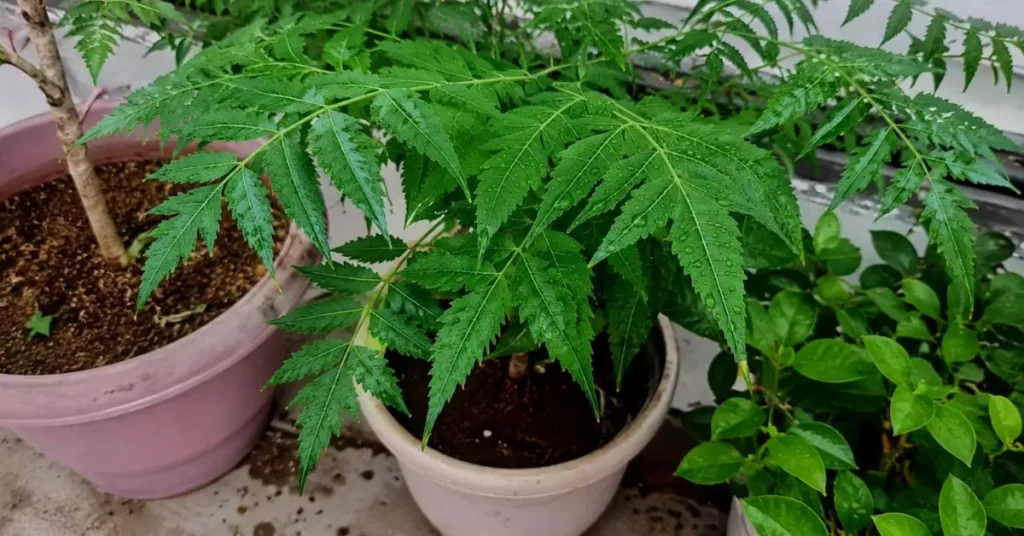
Growing Neem in a Pot
Neem is a tropical tree, so its main demand is warmth and light. A 3-gallon pot works for the first year; upgrade to 5-7 gallons as it grows. The critical part: drainage. Use well-draining soil-mix standard potting soil with sand (20-30% of the mix) so water runs through rather than settling at the roots.
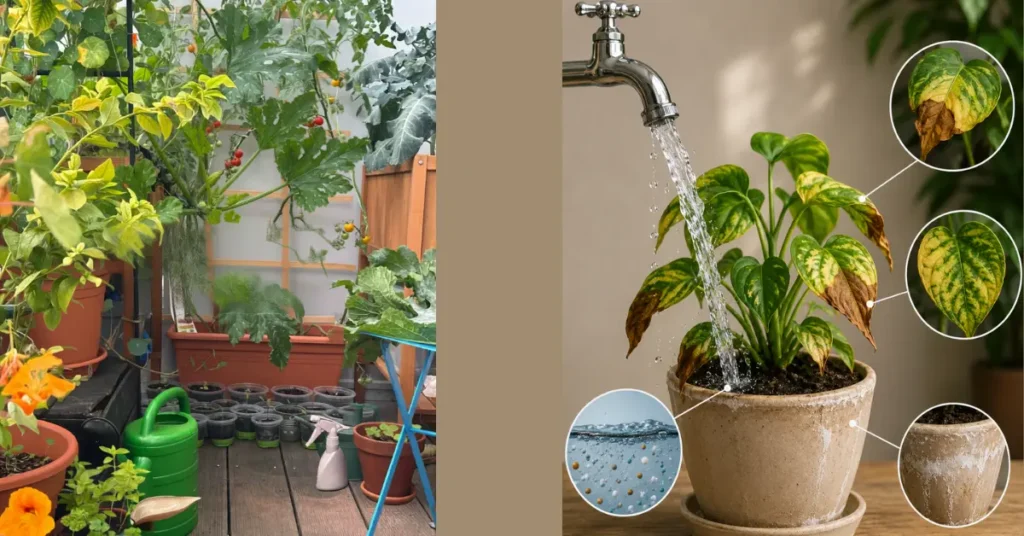
“If your plants struggle despite proper watering and drainage, your tap water may be part of the problem. Hard water can cause mineral buildup in containers over time, affecting nutrient uptake and plant health. Learn more in our guide on How Hard Water Damages Indoor Plants — And How to Fix It.”
Neem needs 6-8+ hours of direct sun daily. If your space doesn’t get that, it struggles. Water when the top 2 inches of soil feel dry-usually every 3-5 days in warm months, longer in winter. Don’t let it sit in water.
Temperature is neem’s non-negotiable requirement. It grows happily between 70-95°F. Below 40°F, it declines. In winter, if temperatures drop below 50°F where you live, bring the pot inside or place it against a south-facing window.
Spider mites are the most common pest in low-humidity apartments. Weekly inspections catch them early. If you spot fine webbing, spray the plant with neem oil solution (ironically, you spray neem with neem oil) or plain insecticidal soap. Both work.
Harvesting and Using Neem
You can harvest leaves year-round once the tree is established (6+ months old). Pick mature leaves from branch tips. Fresh leaves can be steeped into tea-use 5-10 fresh leaves per cup, steep 5-10 minutes. The taste is distinctly bitter, but regular users develop a tolerance.
For immune support, neem tea 2-3 times per week is a solid protocol. For skin conditions, you can also make a paste of dried leaf powder with water and apply topically, though the oil preparations are more potent.
2. Moringa: The Nutritional Powerhouse
Moringa oleifera is called a “superfood” for a reason-the numbers back it up. A single serving of dried moringa leaves contains all nine essential amino acids, more vitamin A than carrots, more calcium than milk, and more iron than spinach.
This isn’t marketing. This is botanical density. A 100-gram serving of dried moringa leaves delivers 2,185 mg of calcium and 28 mg of iron. For context, that’s the equivalent of eating multiple cups of leafy greens in a single tablespoon.
Beyond nutrition, moringa’s 46+ identified antioxidants-especially quercetin and polyphenols-provide genuine anti-inflammatory and blood-sugar-stabilizing effects. Regular moringa users report steadier energy levels and reduced sugar cravings, and small studies support this.
Growing Moringa in Containers
Moringa is fast-growing-aggressively so. For apartment growing, you need a dwarf variety, not the standard 30-foot tree. Seek out “PKM1” or other dwarf cultivars. Even those need large pots: minimum 7 gallons, ideally 20+ gallons to reduce frequent repotting.
Drainage is critical. Moringa hates wet feet. Mix your soil: 40% potting soil, 30% sand, 20% perlite, 10% compost. This creates an open, fast-draining structure.
Light demand is non-negotiable. Moringa requires 6+ hours of direct sun daily. In apartments without strong natural light, a 30-40 watt LED grow light makes the difference between a struggling plant and a productive one. Position it 12-18 inches above the plant.
Water moringa when the top inch of soil is dry-every 2-4 days in growing season, less in winter. In summer, daily watering isn’t unusual. But let it dry between waterings; standing water kills it faster than underwatering.
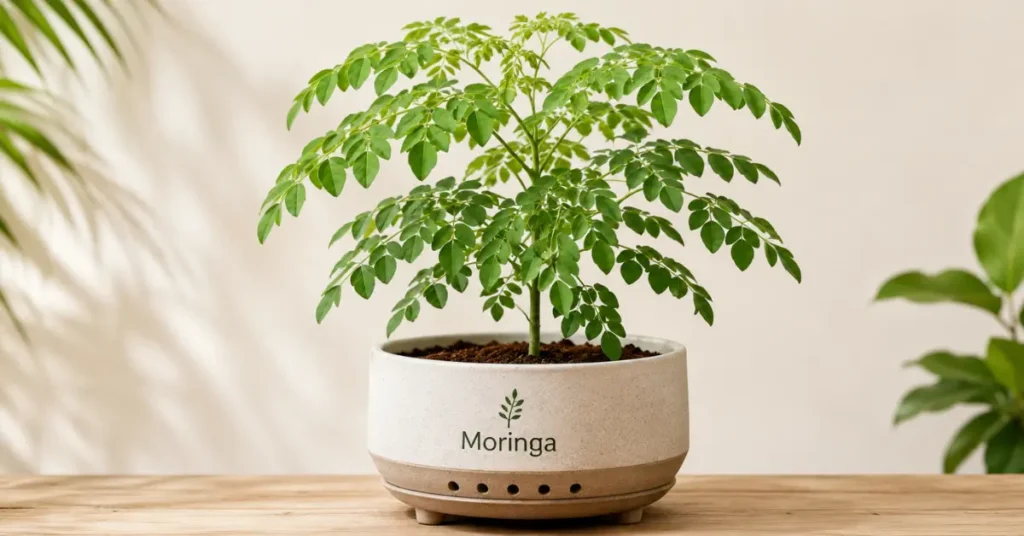
The Harvest Timeline
Moringa’s real advantage is speed. Seedlings become harvestable at 6-8 weeks. After that, harvest cycles every 3-4 weeks. Each harvest produces enough leaves for a full batch of leaf powder or fresh tea.
To dry leaves for powder: harvest, strip leaves from branches, spread on a clean cloth away from direct sun, and let dry for 5-7 days. Once crispy, crush by hand or in a food processor. One mature plant yields 200-500 grams of dried leaf powder annually.
Moringa powder is bioavailable-meaning your body actually absorbs the nutrients, unlike many supplements. Mix one teaspoon into smoothies, soups, or warm water. For therapeutic use (managing blood sugar, joint inflammation), 2-5 grams daily shows effects after 3-4 weeks of consistent use.
3. Curry Leaf Tree: Overlooked Digestive Aid
Most people think of curry leaves as purely culinary-a flavor component for Indian curries. But that’s a massive blind spot. The leaf contains mahanimbine, an alkaloid that outperforms some pharmaceutical cholesterol medications in lab studies. It also supports steady blood sugar, aids digestion, and provides carotenoids that protect eye health.
Curry leaf is genuinely underutilized as a medicinal plant, despite thousands of years in Ayurvedic medicine as a digestive aid.
Growing Curry Leaf in Pots
Curry leaf is easier than neem and faster than moringa. It thrives in containers-I’d argue it’s actually happier in pots than in ground soil, where drainage often becomes an issue.
An 8-10 inch pot works for the first year; upgrade to 12-14 inches as it grows. Use the same fast-draining soil formula: standard potting mix with extra sand or perlite. Curry leaf prefers slightly acidic to neutral soil (pH 6.0-7.0).
Light: 6-8 hours of direct sun is ideal, but curry leaf tolerates partial shade better than moringa. It’s more forgiving on this front.
Water when the top inch of soil feels dry-typically every 3-4 days in warm months. Curry leaf doesn’t tolerate waterlogged conditions, but it also appreciates consistent moisture when growing.
The main pest is scale insects-small, hard-shelled bugs that cluster on stems and leaf undersides. A weekly inspection catches them early. Spray with neem oil or insecticidal soap if you spot them.
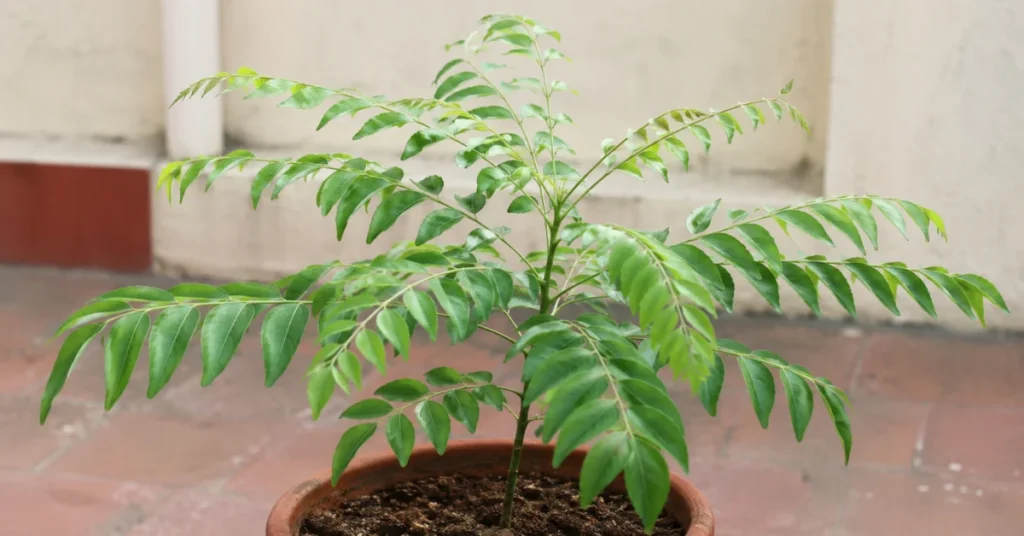
Harvest and Use
Curry leaf plants established for 10-14 months start producing harvestable leaves. You can pick fresh leaves anytime and use them immediately in cooking or tea.
For medicinal use, dried curry leaves make a potent tea. Dry them by spreading fresh leaves on cloth away from direct sun for 5-7 days. Crumble dried leaves into hot water-use about 1 teaspoon (5-10 dried leaves) per cup. Steep 5 minutes. The taste is aromatic, slightly bitter, and familiar if you cook Indian food.
For blood sugar support and digestive health, curry leaf tea 2-3 times per week is a traditional protocol. Consistent use over 30-60 days shows the most noticeable effects on digestion and energy levels.
4. Vitex: The Hormone-Balancing Tree
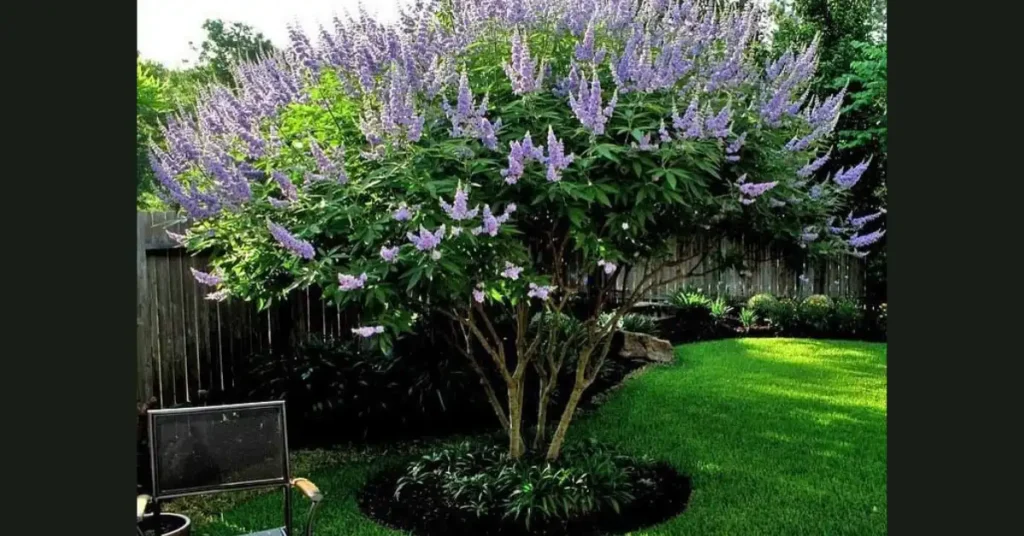
Vitex agnus-castus-commonly called Chaste Tree or Monk’s Pepper-is a Mediterranean native that’s been used for 2,500 years. Ancient Greeks relied on it for reproductive health. Medieval monks used it for calm and focus.
Modern clinical research validates this. A major study of 1,634 women showed vitex reduced PMS symptoms by 93%. Smaller studies on menopause, migraines, and hormonal balance show comparable efficacy to pharmaceutical options but with fewer side effects. This isn’t fringe medicine-it’s validated phytotherapy.
The mechanism: vitex modulates dopamine and pituitary function, shifting the progesterone-to-estrogen ratio in ways that reduce cramping, mood swings, and hormone-driven migraines.
Growing Vitex in Containers
Vitex is slower-growing than moringa but incredibly hardy and underdemanding once established. A 20-25 gallon pot suits it well long-term. Standard well-draining potting soil works fine.
Light requirement: 6+ hours of direct sun. Vitex flowers on new growth, so pruning in spring actually increases flowering and productivity.
Water moderately-when the top 2 inches of soil are dry. Vitex is somewhat drought-tolerant once established, which makes it forgiving for busy people.
Cold hardiness is a strength. Vitex survives winters in zones 5-9, making it one of the few medicinal trees that can stay outdoors year-round in most climates.
Harvest and Medicinal Use
Vitex berries ripen in late August through October. Harvest when they’re dark purple-black. Dry in a cool, well-ventilated space (60-75°F) for 2-4 weeks until crispy.
For hormone balance, dosing matters. Clinical studies use 20-40 mg of standardized extract daily. If you’re using whole dried berries (which contain variable concentrations), aim for roughly 1-2 grams daily (about 1 teaspoon). Consistency matters more than dose-you need 3-4 months of regular use before hormonal effects become apparent.
Make a simple vitex tea: steep 1 teaspoon of dried berries in hot water for 10 minutes, strain, drink. Or grind dried berries into a powder and capsule them yourself.
Vitex isn’t for everyone-avoid it if you’re on dopamine-active medications (ADHD meds, antipsychotics) or hormone-sensitive to medications. But for people seeking natural hormone support, it delivers measurable results.
5. Bay Laurel: The Ancient Digestive Remedy
Bay laurel rounds out the list as the slowest-growing but most elegant medicinal tree. It’s been used in Mediterranean medicine since ancient Rome-Pliny the Elder documented its digestive properties. Modern phytochemistry explains why: cineole, terpineol, and tannins all have documented antimicrobial and digestive benefits.
Bay leaf is often relegated to cooking, but historically it was a medicinal plant first. A single bay leaf contains compounds that support digestion, act as a mild antimicrobial, and provide anti-inflammatory effects.
Growing Bay Laurel in Pots
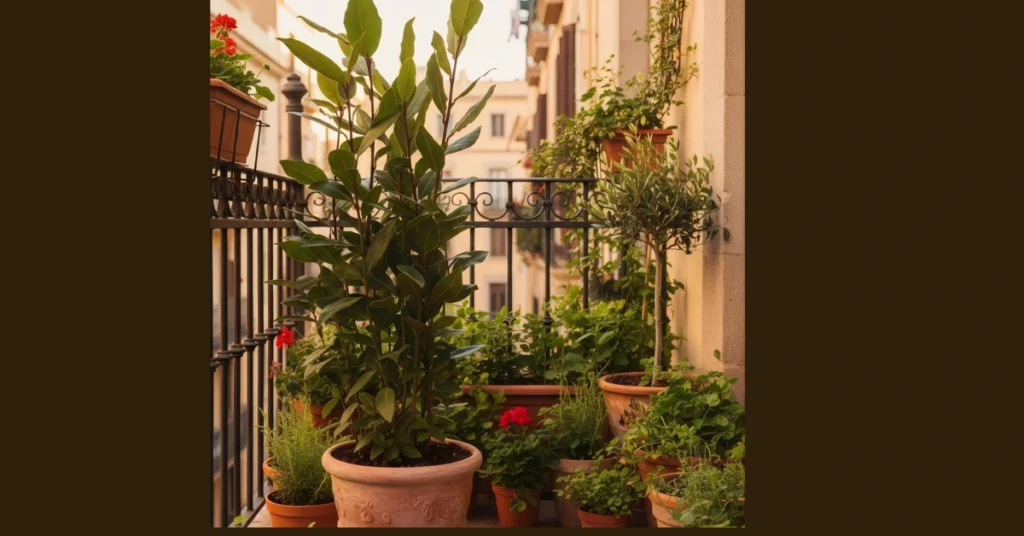
Bay laurel is perhaps the best medicinal tree for apartment living because it grows slowly and doesn’t demand aggressive pruning. A 12-15 gallon pot suits it indefinitely.
Use standard potting soil-bay laurel is less demanding on drainage than other trees on this list, though it still needs good drainage. Wet soil is its main enemy.
Light: 6+ hours of direct sun is ideal, but bay tolerates 4-5 hours reasonably well. It’s more shade-tolerant than neem or moringa.
Water moderately-when the top inch of soil feels dry. Bay laurel is genuinely drought-tolerant once mature, one of the reasons it’s thrived in Mediterranean climates for millennia.
Harvest and Use
Bay laurel is a long-term investment-it grows only 6-12 inches annually. But once mature (3+ years), it yields leaves indefinitely. You can harvest year-round by picking individual mature leaves.
Fresh or dried, bay leaf steeps into a gentle digestive tea. Use 2-3 leaves per cup of hot water, steep 5-10 minutes. The flavor is warm and aromatic. For ongoing digestive support, one cup daily with meals is a traditional dose.
Bay leaf is also safe-it’s so commonly used in cooking that most people have consumed it regularly without incident. Unlike some medicinal plants, there are minimal interactions to worry about.
Choose the Right Medicinal Tree for Your Space
| Tree | Best For | Harvest Time | Apartment Friendly? |
| Neem | Immunity & skin care | 6+ months | Yes |
| Moringa | Daily nutrition | 6–8 weeks | Yes |
| Curry Leaf | Digestion | 10–14 months | Yes |
| Vitex | Hormonal wellness | 1–2 years | Moderate |
| Bay Laurel | Digestive support | 2–3 years | Excellent |
Growing Requirements at a Glance
| Tree | Sun Needed | Pot Size | Maintenance |
| Neem | High | Medium-Large | Medium |
| Moringa | High | Large | Medium |
| Curry Leaf | Medium-High | Medium | Easy |
| Vitex | High | Large | Easy |
| Bay Laurel | Medium | Medium | Very Easy |
Conclusion
Start with what your space allows. If you have a south-facing balcony with 6+ hours of direct sun, you can grow all five trees. If light is limited, moringa and neem demand full sun-use grow lights for them-while bay laurel and vitex tolerate partial shade better.
Invest in good pots with drainage holes, quality soil with added perlite or sand, and a watering can with a fine spout. Weekly inspection catches pests early. Monthly feeding during the growing season (diluted liquid fertilizer) keeps trees productive.
The payoff isn’t just health benefits, though those are real and measurable. It’s the shift from passive consumption-buying supplements, drinking store-bought teas-to active participation in your own healing. Growing these trees teaches you patience, observation, and genuine self-sufficiency. You’ll notice your apartment smells different. You’ll know exactly where your medicine comes from.
Most people don’t grow medicinal trees because they don’t realize it’s possible in small spaces. You now do. Start with one tree-pick whichever speaks to you-and watch what unfolds.