Every monsoon, I get the same panicked messages: leaves turning yellow, stems going soft, plants collapsing overnight. It’s almost always root rot. Here’s exactly how I identify it early, treat it before it’s too late, and what I now do differently to prevent it.
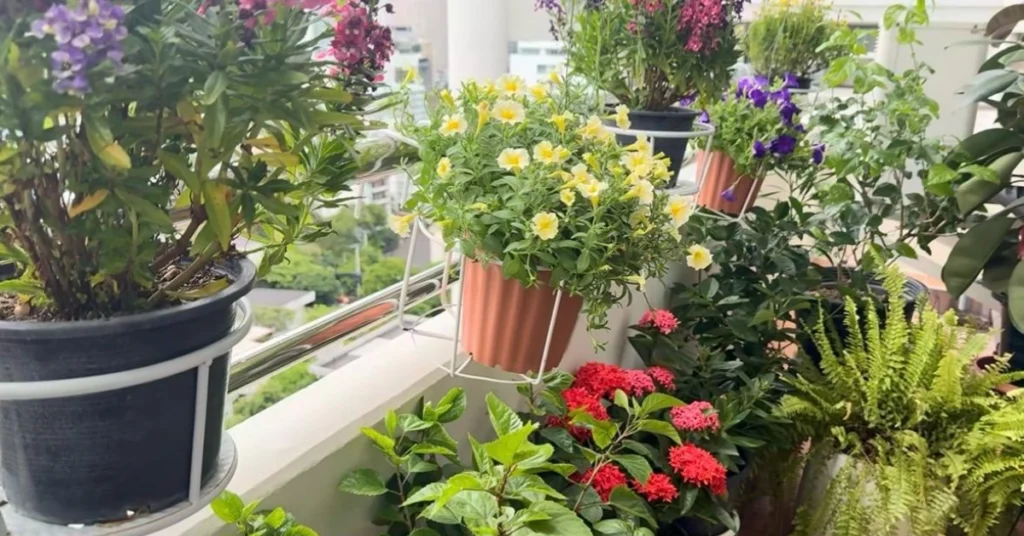
Every year, right around the third week of July, my phone starts filling up with the same kind of message from fellow plant parents across India. “My money plant leaves are turning yellow overnight.” “My snake plant just… collapsed.” “I touched the soil and it smells like a drain.” Different cities, different balconies, same villain — root rot in Monsoon, and it always shows up uninvited the moment the monsoon sets in.
I have been growing plants on Indian balconies and terraces for over a decade now — starting with a single money plant bottle on a windowsill, and eventually turning into someone friends and neighbours call whenever their garden starts looking sick.
If there is one lesson monsoon has taught me, sometimes the hard way, it is this: root rot is rarely about bad luck. It’s almost always about drainage, timing, and watering habits that worked fine in summer but turn deadly the moment humidity crosses 80%.
This guide isn’t going to give you the usual copy-paste advice you’ll find on generic gardening sites written for American or European climates, where monsoon doesn’t even exist.
This is written specifically for Indian growing conditions — for terrace gardens in Mumbai that get pounded by horizontal rain, for Bangalore balconies where drizzle can continue for four days straight, for Delhi’s humid July spell, and for Kerala readers who deal with genuine monsoon downpours for months at a stretch.
Everything here comes from actual troubleshooting, actual plants saved (and some lost), and actual seasons of trial and error.
Why Monsoon Is Root Rot Season in Indian Gardens
Root rot isn’t caused by rain itself. It’s caused by roots sitting in water or overly damp soil for too long, which cuts off oxygen supply and creates the perfect breeding ground for fungal pathogens. In most parts of India, three things happen simultaneously during monsoon that make this almost inevitable if you’re not paying attention:
First, ambient humidity shoots up, which means soil simply doesn’t dry out at the rate it did in April or May. A pot that needed watering every two days in summer might still be soggy after five days once monsoon arrives. Most people don’t adjust their watering schedule accordingly — they keep watering out of habit.
Second, natural rainfall adds to whatever you’re already watering. If your plants are on an open balcony or terrace, they’re getting rained on directly, and if you’re also manually watering them on top of that, you’re essentially drowning the root zone without realising it.
Third, poor drainage that was a minor issue in summer becomes a major issue in monsoon. A pot with a semi-blocked drainage hole, a saucer that collects water underneath, or garden soil that’s too dense with clay — these all become serious problems the moment consistent moisture enters the picture.
Add to this the fact that fungal spores like Pythium, Phytophthora, Fusarium, and Rhizoctonia — the main culprits behind root rot — thrive specifically in warm, waterlogged, low-oxygen soil. Indian monsoon temperatures (typically 24°C to 32°C) combined with high moisture create exactly the environment these pathogens need to multiply rapidly. This is why root rot can go from “barely noticeable” to “plant is dead” within seven to ten days during peak monsoon, much faster than in any other season.
How to Identify Root Rot Before It’s Too Late
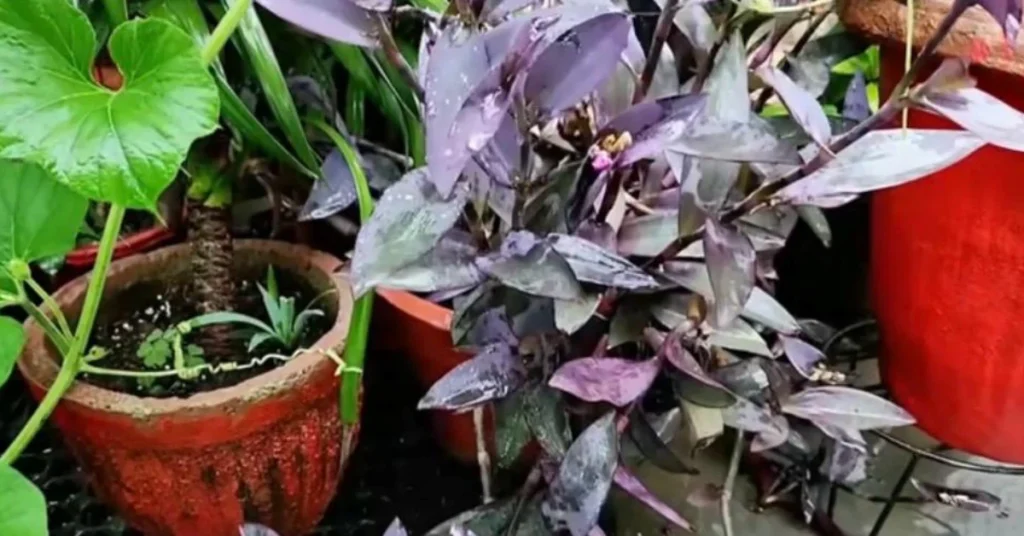
The mistake most people make is waiting for leaves to visibly wilt before taking action. By that point, the damage below the soil is usually already significant. Here’s how to catch it earlier, in the order symptoms typically appear.
1. Check the smell first
This is the single most reliable early indicator, and almost nobody does it. Healthy soil smells earthy, like a forest floor after light rain. Rotting roots smell sour, sulphurous, or like stagnant drain water. If you stick your finger into the soil near the base of the plant and pull it out to a smell that makes you scrunch your nose, that’s your first red flag — even if the leaves above still look perfectly fine.
2. Look at the soil surface and texture
Soil that stays visibly wet and glossy for more than 48 hours without drying, or soil that has a slimy film on top, is a warning sign. In badly affected pots, you’ll sometimes notice a thin white or grey fungal growth on the surface — this is different from the beneficial white mycelium some healthy soils show, and the smell test will usually confirm which one you’re dealing with.
3. Watch leaf behaviour carefully
Root rot shows up on leaves in a very specific, recognisable pattern:
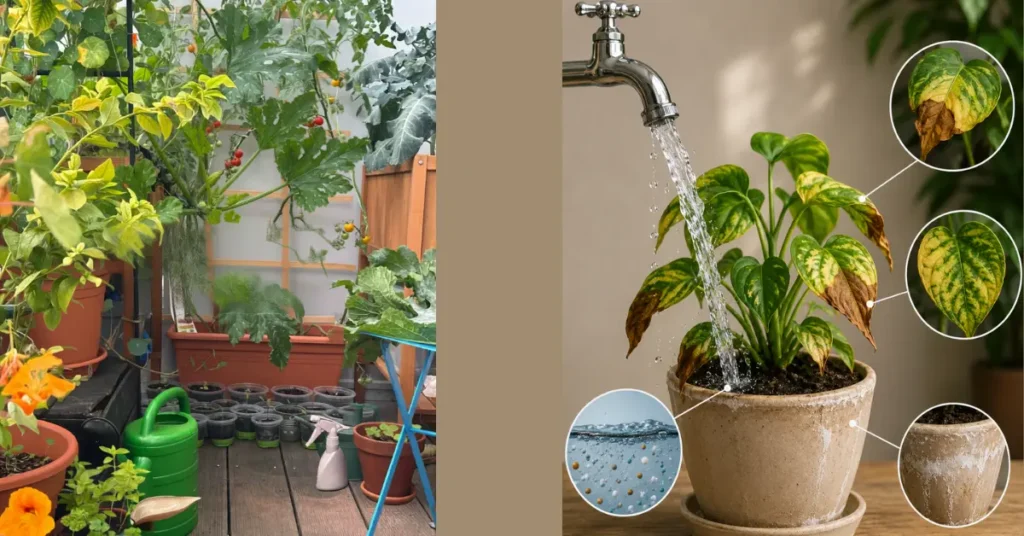
- Yellowing that starts from the bottom or oldest leaves first, moving upward — this is different from nutrient deficiency, which tends to show more uniformly or on newer growth depending on the nutrient.
- Leaves that feel soft, mushy or droopy despite the soil being wet — this is the giveaway. If soil is wet and the plant is still wilting, the roots have stopped functioning and can’t take up water even though it’s available.
- Stem softening at the base, especially in succulents, money plants, and jade plants — a firm stem turning mushy or black near the soil line is a strong sign rot has already reached the crown.
- New growth stalling completely — no new leaves, no new shoots, even during a season when the plant should be actively growing.
4. Do the “gentle tug” test
Gently hold the base of the plant and tug lightly. A healthy plant with intact roots will resist and feel anchored. A plant with significant root rot will feel loose, like it’s barely held in the soil, because the fine feeder roots have already disintegrated.
5. When in doubt, unpot and inspect
This is the only 100% reliable method, and I recommend doing it the moment you notice yellowing combined with a bad smell. Gently remove the plant from its pot and look at the roots directly.
Healthy roots are firm, and depending on species, usually white, tan, or light brown, with visible fine root hairs.
Rotting roots are dark brown to black, mushy, and will often disintegrate or turn to slush when you touch them — sometimes leaving nothing but the outer sheath while the inner root core has completely dissolved. You may also notice a strong foul smell at this stage, confirming the diagnosis.
Which Plants Are Most Vulnerable to Monsoon Root Rot in Indian Homes
Based on what I see most often across Indian balconies and terrace gardens, these are the repeat offenders every monsoon:
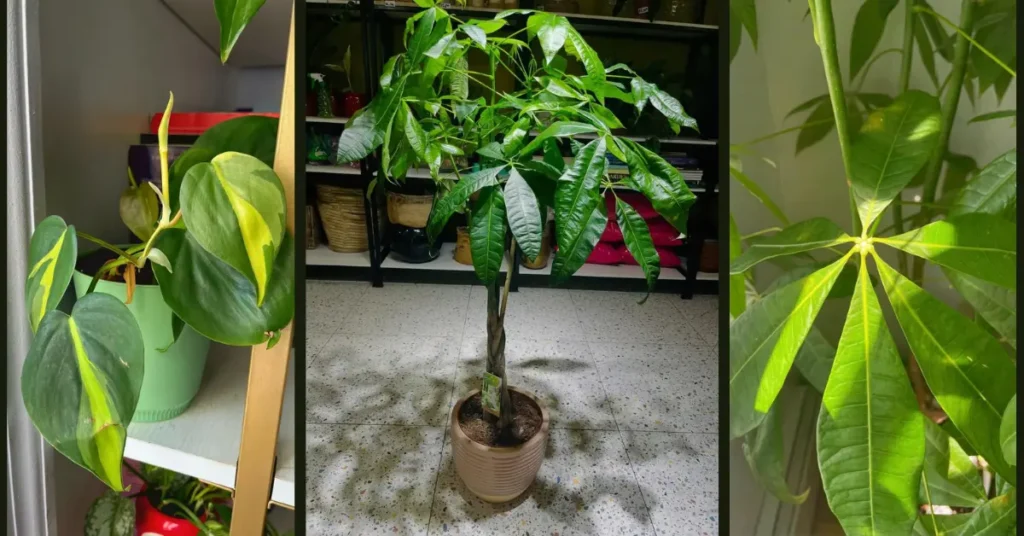
- Money plant (Pothos) — ironically one of the most water-tolerant plants when grown in water, but very prone to root rot when grown in soil that stays wet for extended periods.
- Snake plant (Sansevieria) — a desert-adapted plant that is, without exaggeration, the number one root rot casualty every monsoon because people keep watering it on the same schedule as summer.
- Succulents and jade plants — extremely sensitive to any prolonged moisture; monsoon is genuinely the hardest season to keep these alive in most Indian climates.
- Money plant in soil (as opposed to water propagation) — same issue as above.
- Peace lily — likes moisture but is surprisingly prone to root rot if the pot doesn’t drain fast enough, especially in humid, low-light monsoon conditions.
- Curry leaf plant — a kitchen garden staple in most Indian homes, and one that suffers badly if grown in heavy garden soil without proper drainage amendments.
- Hibiscus and rose in containers — both are sensitive to waterlogging at the root zone, particularly in clay-heavy potting mixes common in Indian nurseries.
- Tulsi (Holy Basil) — a plant found in almost every Indian household, and one that rots surprisingly fast if kept in a pot without drainage holes, which is unfortunately how it’s often sold and displayed.
If you’re growing any of the above, treat the monsoon months as a season requiring a completely different care routine, not just “the same as before but with less watering.”
Immediate Treatment Checklist: What To Do the Moment You Spot Root Rot
Once you’ve confirmed root rot, speed matters more than anything else. Here is the exact sequence I follow, in order.
Step 1: Stop watering immediately. This sounds obvious, but people often keep watering out of worry that the plant “looks thirsty.” A wilting plant in wet soil needs the opposite of water. Move the pot somewhere sheltered from rain immediately — under an overhang, near a wall, or indoors near a bright window, so no additional moisture reaches it while you work.
Step 2: Unpot the plant and remove all old soil. Gently knock the plant out of its pot and shake or wash off as much of the old, contaminated soil as possible. If the roots are extremely mushy, a gentle rinse under running water helps you see clearly what you’re dealing with and washes away fungal-laden soil clinging to healthy roots.
Step 3: Trim away every affected root. Using a pair of scissors or pruning shears sterilised with rubbing alcohol or a flame, cut away every root that is brown, black, mushy, or hollow. Cut back until you reach firm, white or light-coloured root tissue. Don’t be conservative here — leaving even a small section of rotten root behind can reinfect the healthy portion within days. If more than 70–80% of the root system is gone, be realistic about the plant’s chances, which we’ll cover further below.
Step 4: Sterilise your tools between cuts. Wipe your scissors with alcohol between every cut, especially if you’re treating multiple plants. Fungal pathogens spread very easily on cutting tools, and using the same unsterilised scissors across plants is one of the most common ways root rot spreads through an entire balcony collection during monsoon.
Step 5: Treat the remaining healthy roots. Once trimmed, treat the roots with one of the following, depending on what you have available:
- Cinnamon powder dusted directly onto the cut ends — cinnamon has natural antifungal properties and is a reliable, chemical-free option that most Indian kitchens already have.
- 1% hydrogen peroxide solution (diluted from standard 3% pharmacy hydrogen peroxide) — dip the roots for 10–15 minutes; this helps oxygenate the root zone and kills off surface fungal spores.
- Carbendazim or copper oxychloride fungicide solution, mixed as per the label instructions — this is what I reach for when dealing with valuable or larger plants like hibiscus, roses, or fruiting plants, since it offers more thorough systemic protection than home remedies alone.
Step 6: Let the roots air-dry for a few hours. Place the treated plant on a clean, dry surface — a paper towel or newspaper works well — and let the roots air out for 2 to 6 hours before repotting. This callouses the cut ends and reduces the chance of immediately reintroducing rot into fresh soil.
Step 7: Repot into fresh, well-draining soil (never the old soil). This is non-negotiable. The old soil is likely carrying fungal spores even if it looks fine. Use a completely fresh mix — see the soil recipe below — and a clean pot, or a pot that’s been washed and left to dry in sunlight, ideally rinsed with a mild diluted bleach solution beforehand if it previously held an infected plant.
Step 8: Keep the repotted plant in a sheltered, humid-but-not-wet spot for one to two weeks. Avoid direct rain exposure, avoid direct harsh sun, and hold off on watering for at least 3–5 days after repotting to let the roots settle and any remaining cut surfaces heal before introducing moisture again.
The Right Soil Mix for Monsoon Drainage (Indian Conditions)
One of the biggest reasons root rot is so common in Indian container gardens is that most nurseries sell a heavy, compact, garden-soil-dominant mix that’s simply unsuitable for pots during monsoon. Here’s the mix I personally use and recommend for most common houseplants and container plants through the rainy season:
- 40% cocopeat (well-rinsed to remove excess salts)
- 25% coarse river sand or perlite
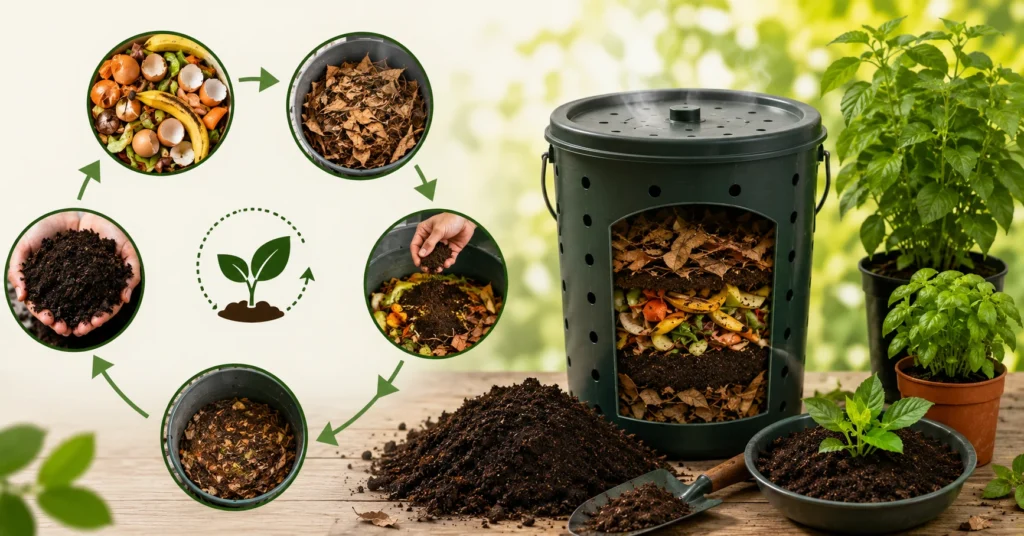
- 20% compost or vermicompost
- 15% coco chips or broken brick pieces / pumice for extra aeration
For succulents, cacti, snake plants, and jade plants specifically, increase the sand/perlite portion to 40–50% and reduce compost, since these plants need much faster-draining conditions even outside of monsoon.
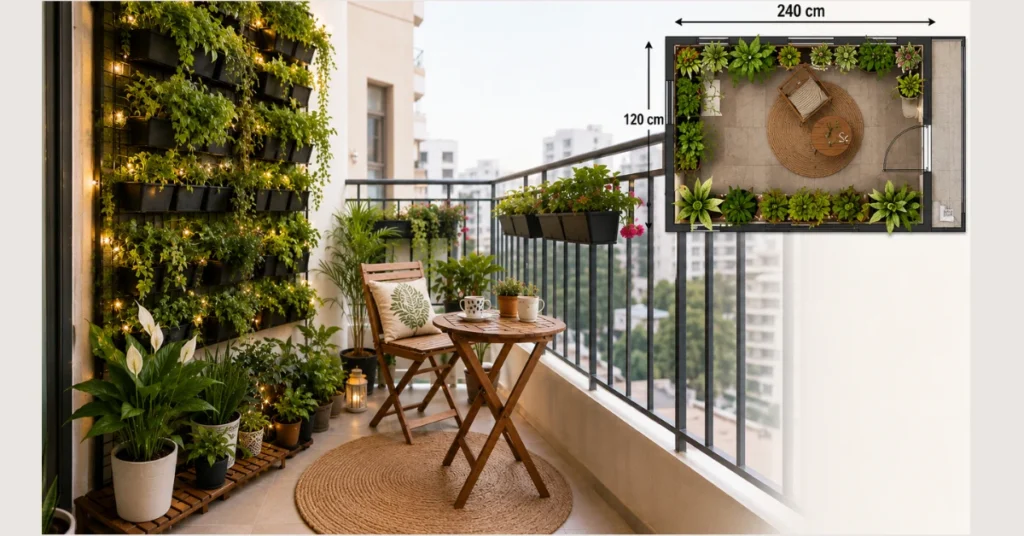
For terrace and balcony gardens where pots sit directly under open sky, always add a 1-inch layer of broken terracotta shards, pebbles, or brick pieces at the bottom of the pot before adding soil. This isn’t just an old wives’ tale — it genuinely creates an air gap that prevents water from pooling directly against the compacted soil at the base, which is one of the most common spots root rot begins.
Monsoon Watering Rules That Actually Prevent Root Rot
This is where most well-meaning plant owners go wrong. Watering during monsoon isn’t about a fixed schedule — it needs to be responsive to conditions. Here’s the practical framework I follow and teach:
- Always check soil moisture before watering, every single time — insert a finger or a wooden skewer 2 inches into the soil. If it comes out with damp soil clinging to it, skip watering for that day.
- Reduce watering frequency by at least 50% compared to summer for most houseplants once consistent rainfall begins.
- If a plant is exposed to open rain, don’t water it manually at all — check drainage instead, and only intervene if the soil isn’t draining within a few hours of rain stopping.
- Move rain-exposed pots under shelter during particularly heavy spells — a few consecutive days of continuous rain is often when root rot actually begins, so during red or orange alert weather days, moving vulnerable pots (succulents, snake plants, money plants) under an overhang for 48–72 hours makes a real difference.
- Water in the morning, never in the evening, so that any surface moisture has the entire day to evaporate rather than sitting overnight in cooler, more humid conditions.
- Elevate pots off the ground using pot feet, bricks, or a raised stand. This single change prevents water from sitting stagnant at the base and is one of the most underrated monsoon interventions — I’ve personally seen entire balconies go from losing 3–4 plants every monsoon to losing none, purely from elevating pots by two inches.
Complete Monsoon Root Rot Prevention Checklist
Print this out, stick it near your gardening corner, and run through it before monsoon fully sets in (ideally by early June if you’re in a state with an early monsoon onset, or by mid-June for most of North India):
- [ ] Every pot has a functional, unclogged drainage hole — check by pouring a small amount of water and confirming it exits within seconds
- [ ] No saucers left with standing water underneath any pot for more than 30 minutes after watering
- [ ] All pots elevated on feet, bricks, or a stand — never sitting flush on the floor
- [ ] Heavy garden soil mixes replaced or amended with cocopeat, perlite, or sand for better drainage
- [ ] Vulnerable plants (snake plant, succulents, jade) moved to a covered area, not exposed to direct open rain
- [ ] Watering schedule manually reduced and shifted to a “check first” system rather than a fixed calendar
- [ ] Overcrowded pots divided or repotted — dense root balls in humid conditions rot faster due to poor airflow
- [ ] A preventive fungicide drench (like copper oxychloride, diluted as per label) applied once at the start of monsoon for high-risk or previously affected plants
- [ ] Mulch layer on top of soil kept thin (under 1 inch) or removed entirely during peak monsoon, since thick mulch traps moisture against the soil surface
- [ ] Weekly physical inspection scheduled — smell test and gentle tug test on all vulnerable plants, every 7 days through the season
Home Remedies vs Chemical Fungicides: What Actually Works
I get asked constantly whether “natural” treatments are as effective as chemical fungicides, so let me be straightforward about this based on what I’ve actually observed over the years.
Cinnamon powder and neem oil work well as preventive measures and for mild, early-stage root rot, particularly on smaller, less valuable plants like money plant cuttings or small succulents. They’re low-risk, cheap, and easy to source, but they are not strong enough to reliably save a plant with advanced, extensive root rot.
Hydrogen peroxide solution is genuinely effective for both prevention and early-stage treatment, and I use it regularly as a soil drench (1 part 3% hydrogen peroxide to 3 parts water) for plants that have been sitting in overly wet soil but haven’t shown severe symptoms yet.
Chemical fungicides like carbendazim, copper oxychloride, or Bavistin (widely available at Indian nurseries) are what I reach for with valuable or advanced-stage cases — flowering shrubs, fruiting plants, or anything where I genuinely don’t want to risk losing the plant. These offer more reliable, systemic protection, particularly against aggressive pathogens like Phytophthora, and are worth the ₹100–150 investment for a bottle that will last an entire season across multiple plants.
My honest recommendation: use natural remedies as your first line of prevention across your entire collection, but don’t hesitate to reach for a proper fungicide the moment you’re dealing with a plant that’s already showing advanced symptoms. Trying to “stay natural” on a plant that’s 60% rotted often just wastes the narrow window you have to save it.
By the way, that same standing water sitting in your saucers doesn’t just cause root rot — it’s also one of the most common mosquito breeding spots on Indian balconies during monsoon. If you’ve noticed more mosquitoes around your plants lately, it’s probably your pots, not the weather — here’s exactly how to fix it.
When to Save the Plant, and When to Let It Go
This is the hardest but most important lesson in dealing with root rot, and it’s something most guides avoid saying directly. Not every plant can be saved, and knowing when to stop trying saves you time, money, and honestly, a lot of unnecessary guilt.
Save it if:
- At least 30–40% of the root system is still firm and healthy after trimming
- The stem and crown (where stem meets roots) are still firm, not mushy or blackened
- You caught it within the first week of symptoms appearing
Consider taking a cutting instead of saving the whole plant if:
- The roots are almost entirely gone, but the upper stem and leaves still look reasonably healthy — many plants like money plant, pothos, and even hibiscus can be propagated fresh from a healthy stem cutting even if the original root system is unsalvageable
- This is often a better use of your time than trying to nurse a barely-alive root system back to health
Let it go if:
- The stem base and crown have turned black, mushy, or hollow — this usually means the rot has progressed past the point of recovery, regardless of root condition
- There’s a strong, persistent foul smell even after trimming, indicating the infection has spread beyond what’s visibly removable
- Multiple previous attempts at treatment on the same plant have failed
There’s no shame in composting a plant that’s too far gone (though not in the same compost bin as your other healthy plant material, to avoid spreading spores). Every gardener, no matter how experienced, loses plants to root rot during monsoon. What separates a good outcome from a bad one is usually how early you catch it and how decisively you act — not whether you’re skilled enough to save literally everything.
Weekly Monsoon Plant Care Routine (Practical Schedule)
To make this genuinely actionable rather than just a list of tips, here’s a simple weekly rhythm I follow through the monsoon months:
Every 2–3 days: Soil moisture check with a finger or skewer test on all container plants, especially vulnerable ones.
Weekly: Smell test and gentle tug test on snake plants, succulents, and jade plants specifically, since these show the least visible above-ground symptoms until the rot is quite advanced.
Weekly: Check all saucers and trays for standing water and empty them.
Bi-weekly: Inspect drainage holes for clogging, especially in pots that have been outdoors and may have accumulated debris or leaves blocking the hole.
Once at monsoon onset, and once again mid-season: Apply a preventive fungicide drench to high-risk plants, particularly any that had root rot issues in previous years — plants that got infected once tend to be more susceptible if any spores remain in their growing area.
After any period of heavy, continuous rainfall (3+ days): Physical inspection of all balcony/terrace plants for early symptoms, since this is consistently when the highest number of new root rot cases develop.
A Real Case: What I Learned From Losing Three Snake Plants in One Season
I’ll be honest about something most gardening blogs won’t admit — I lost three snake plants in a single monsoon a few years ago, back when I was still treating monsoon watering the same way I treated summer watering.
All three were in plastic pots, all three were sitting flush on my terrace floor with no elevation, and all three had saucers underneath that I simply forgot to check for nearly two weeks during a particularly heavy spell of continuous rain.
By the time I noticed anything wrong, the leaves had already gone soft and translucent at the base, and when I unpotted them, the roots had turned to a black, foul-smelling mush that came away in my hands. There was nothing left to save.
That season taught me more than any article ever could — specifically, that snake plants give almost no warning signs above soil until the damage is already severe, which is exactly why the weekly tug test and smell test matter so much more for this particular plant than for something like a peace lily, which wilts visibly and gives you earlier warning.
The following monsoon, I made exactly three changes: elevated every pot by two inches, switched all snake plants to terracotta, and moved them under a covered ledge instead of leaving them in open rain.
I didn’t lose a single snake plant that year, or in any year since. Sometimes the fix really is that straightforward — it’s just a matter of identifying which specific habit is causing the problem.
City-Specific Considerations for Indian Gardeners
Monsoon doesn’t behave the same way across India, and your root rot prevention approach should account for that.
Mumbai and coastal Maharashtra deal with intense, sustained rainfall along with high humidity that barely drops even between showers. If you’re gardening here, covered balconies and terraces are almost mandatory for anything beyond hardy tropical plants, and drainage needs to be aggressive — think 50% sand or perlite in your mix for anything rot-prone.
Bangalore and the Deccan plateau region get a gentler, more prolonged drizzle pattern rather than intense downpours, but the extended grey, low-sunlight days slow down soil drying significantly, which is often more dangerous than a single heavy downpour followed by sun.
Delhi and North India typically get a shorter, more intense monsoon window with occasional dry spells in between, which means the watering mistake here usually isn’t overwatering during rain, but continuing to water heavily during the dry gaps between spells, not realising the soil is still holding moisture from the last downpour.
Kerala, coastal Karnataka, and the Konkan belt experience the longest and heaviest monsoon exposure in the country, sometimes with continuous rain for weeks. If you’re gardening in these regions, treat covered growing space as essential infrastructure, not optional, for anything other than genuinely rain-tolerant tropical and native species.
Adjust the general framework in this guide to your specific city’s rain pattern rather than applying it uniformly — the underlying principles (drainage, airflow, responsive watering) stay the same, but how aggressively you need to apply them will vary.
Final Thoughts
Root rot during monsoon isn’t a sign that you’re bad at gardening — it’s simply the most predictable seasonal challenge every Indian plant parent faces, from a single money plant bottle on a Delhi windowsill to an elaborate terrace garden in Chennai.
The gardeners who consistently keep their plants alive through the rains aren’t the ones who never encounter root rot — they’re the ones who check their soil regularly, act within the first few days of noticing symptoms, and treat monsoon as a season that genuinely requires a different care approach rather than sticking to summer habits out of routine.
Keep this checklist handy, adjust your watering the moment the first proper monsoon showers hit your city, and inspect your vulnerable plants weekly rather than waiting for visible wilting.
That single habit shift — checking before symptoms appear rather than reacting after — is, more than any fungicide or soil mix, what actually determines whether your garden makes it through to September intact.
If you’ve dealt with root rot this season, I’d genuinely like to hear which plants gave you the most trouble — drop it in the comments, since the specific challenges do vary quite a bit between a Mumbai terrace, a Bangalore balcony, and a Kerala backyard.
Plant Watering Calculator
Plant Watering Calculator
Get an estimated watering amount based on plant, season, city, and pot size.